
Rainforest Wild Adventure: Two Zones, Nine Activities Included With Your Ticket
Mandai opened this park as Rainforest Wild Asia in March 2025 and gave it its current name in May 2026, when the EAST zone opened. What follows is what each zone holds, which of the nine Adventure+ activities your group is tall enough for, and how the day actually runs.
| What it is | Adventure park in Mandai. Opened in March 2025, renamed in May 2026 when the EAST zone opened. |
|---|---|
| Layout | One park, two zones: WEST 13 hectares and EAST 7 hectares, both covered by a single ticket. |
| Opening hours | Daily 9am to 6pm, last entry 5pm. Activity desks run roughly 9.30am to 5.30pm. |
| Tickets | Non-resident adult S$55, child aged 3 to 12 S$39. Under 3 free with an adult aged 21 or over. |
| Adventure+ | Nine activities. The current notice covers all nine on weekdays and up to five at weekends and public holidays, listed as running until August 2026. |
| Height limits | Some activities take children from 0.9m. The high ones need 1.35m or more. |
| Getting there | Khatib MRT, then the M2 shuttle: S$2.50, about 20 minutes. |
| Time needed | About three hours for one zone. A full day if you want both. |
1. Who Is Rainforest Wild Adventure For?
2. Rainforest Wild Asia and Rainforest Wild Adventure Are the Same Park
3. WEST and EAST: What Is Different
4. Which Zone Should You Start With?
5. Inside the WEST Zone: Eight Areas
6. Inside the EAST Zone: Four Areas and the Okapi
7. Adventure+: The Nine Activities Included With Admission
8. What Can Children Do? Height Limits by the Number
9. Black Adventure: Two Guided Routes Booked Separately
10. Tickets, Resident Rates and the Mandai Passes
11. Rainforest Wild Adventure or Singapore Zoo?
12. How to Get to Rainforest Wild Adventure
13. When to Go, and How Long It Takes
14. What to Wear and What to Bring
15. Where to Eat in Each Zone
16. An Honest Verdict, and What to Read Next
Rainforest Wild Adventure is an adventure park with animals in it, and the nine Adventure+ activities are part of the admission price rather than an add-on. It is the newest park in Mandai, it now runs as two zones on one ticket, and it went by the name Rainforest Wild Asia until May 2026. This page has the zone breakdown, the height and weight number for every activity, the walking routes, tickets and how to get there, and the Singapore trip planner covers where a day out here sits in the rest of the trip.
1. Who Is Rainforest Wild Adventure For?
Rainforest Wild Adventure is an adventure park that keeps animals, not a zoo with a play area bolted on. One ticket covers nine physical activities across two zones, and the walking routes run through a 220m cave, a limestone landscape and nets strung between trees, with 58 animal species along the way.
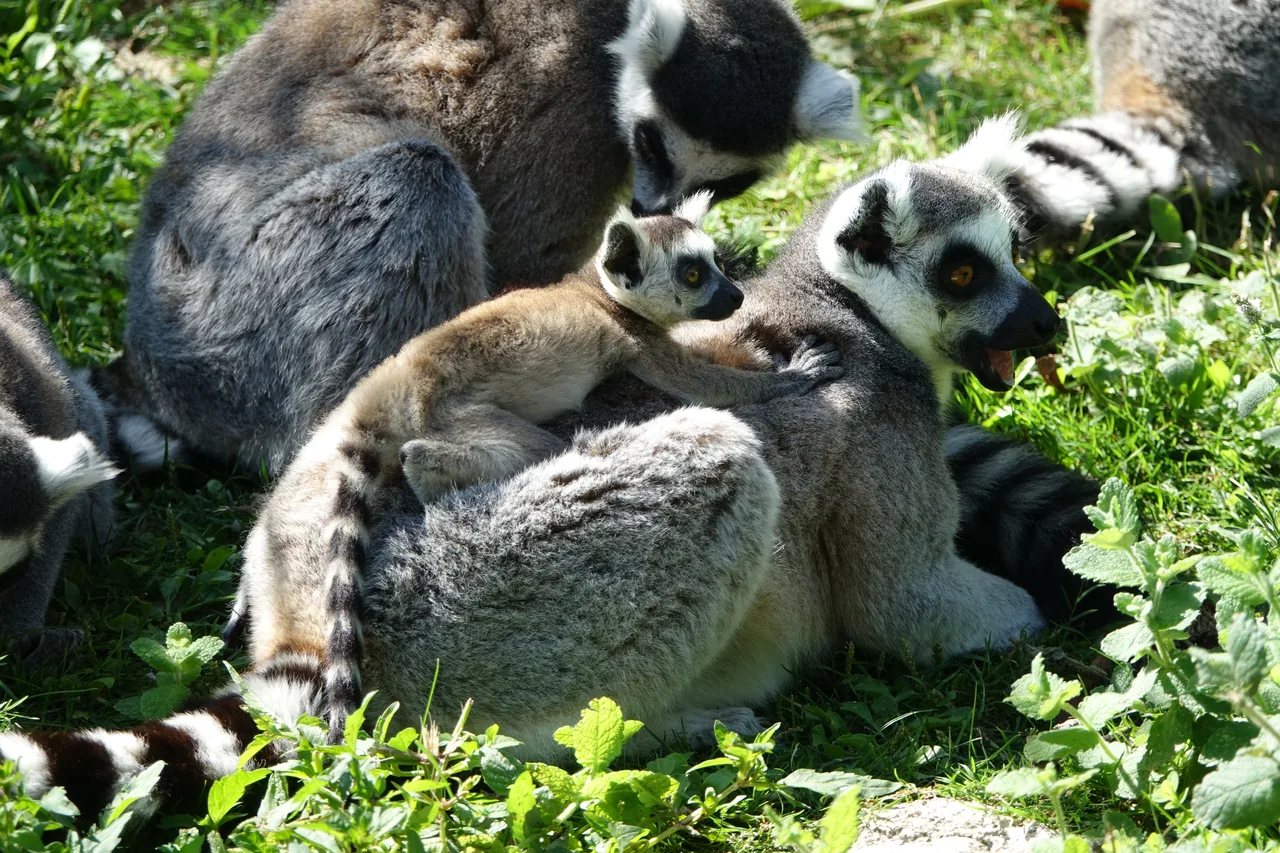
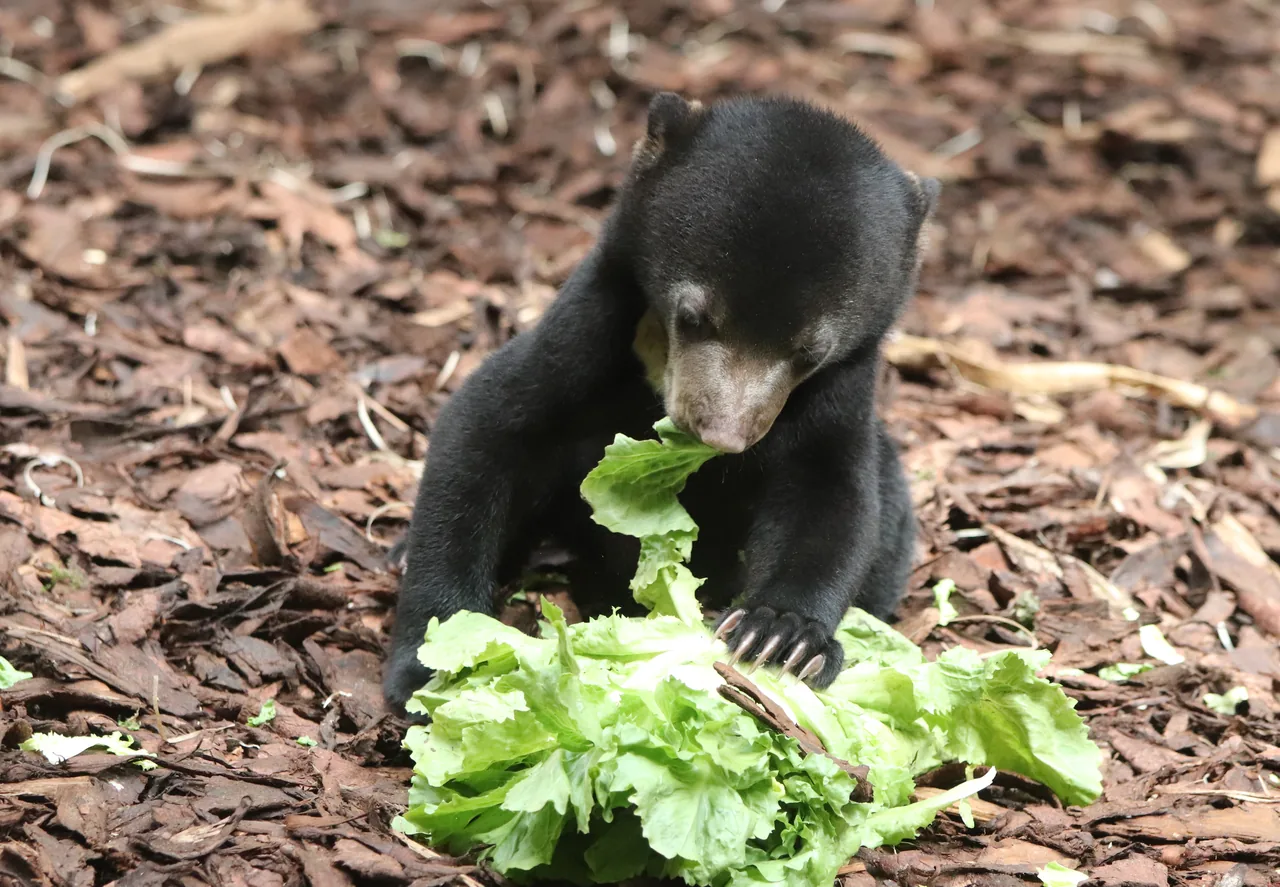
The park is part of Mandai Wildlife Reserve and counts as the fifth park on that site, but it has its own gates and its own ticket. Nothing carries over from a Singapore ZooMap or Night SafariMap visit, and the animal list is its own: Malayan tiger, Malayan tapir, Malayan sun bear, okapi, pygmy hippo, ring-tailed lemur. Anyone still choosing between the Mandai parks will find that comparison in the five Mandai parks compared, and the Singapore trip planner shows where a day this far north fits in a week.
| What you came for | How to play it |
|---|---|
| As many activities as possible | Come on a weekday, be at the gate at opening, clear the four WEST activities, then take the shuttle to EAST where the other five are. |
| A young child in the group | Aim at the activities that start at 0.9m and 0.95m, the walking nets, the trampoline playground in Lemur Land, and keep the pram on the Elevated Walkway. |
| Only half a day free | Take one zone. Each is a three hour visit on its own, and a shuttle crossing plus a meal turns two zones into a full day. |
| Mainly the animals | EAST for okapi, pygmy hippo and lemurs. WEST for tiger, tapir and sun bear. Ask a ranger which habitats are active that morning. |
Two facts shape every plan for this park. The first is that the activities sit outdoors and stop when the weather or maintenance says so, which means no schedule should hang on one particular activity. The second is that many of the animals moved into large planted habitats recently, so they are often out of sight. The park says the same thing in its own notices: ask a ranger before you walk a loop twice hoping for a better view.
Anyone who dislikes uneven ground, ladders or a harness can still enjoy the walking routes and the animals, but a good half of what the ticket pays for will go unused. That is the honest test of whether this park suits your group, and it is worth applying before you book rather than at the entrance.
2. Rainforest Wild Asia and Rainforest Wild Adventure Are the Same Park
Rainforest Wild Asia and Rainforest Wild Adventure are one place under two names: the park changed its name on 20 May 2026, when the EAST zone opened. If you booked under the old name, or you are reading a listing that still says Asia, you have the right park.
| Date | What happened | What it means when you book |
|---|---|---|
| 12 March 2025 | Opened as Rainforest Wild Asia across 13 hectares, the fifth park in Mandai. | Older articles and reviews describe this area only, which is now the WEST zone. |
| 20 May 2026 | The EAST zone opened in a soft opening, and the park took the name Rainforest Wild Adventure. | Both zones are on one ticket from this date. Reviews written before it cover half the park. |
| Now | One park, two zones, about 20 hectares in total, 58 animal species. | Search either name and you land on the same gate at Mandai Lake Road. |
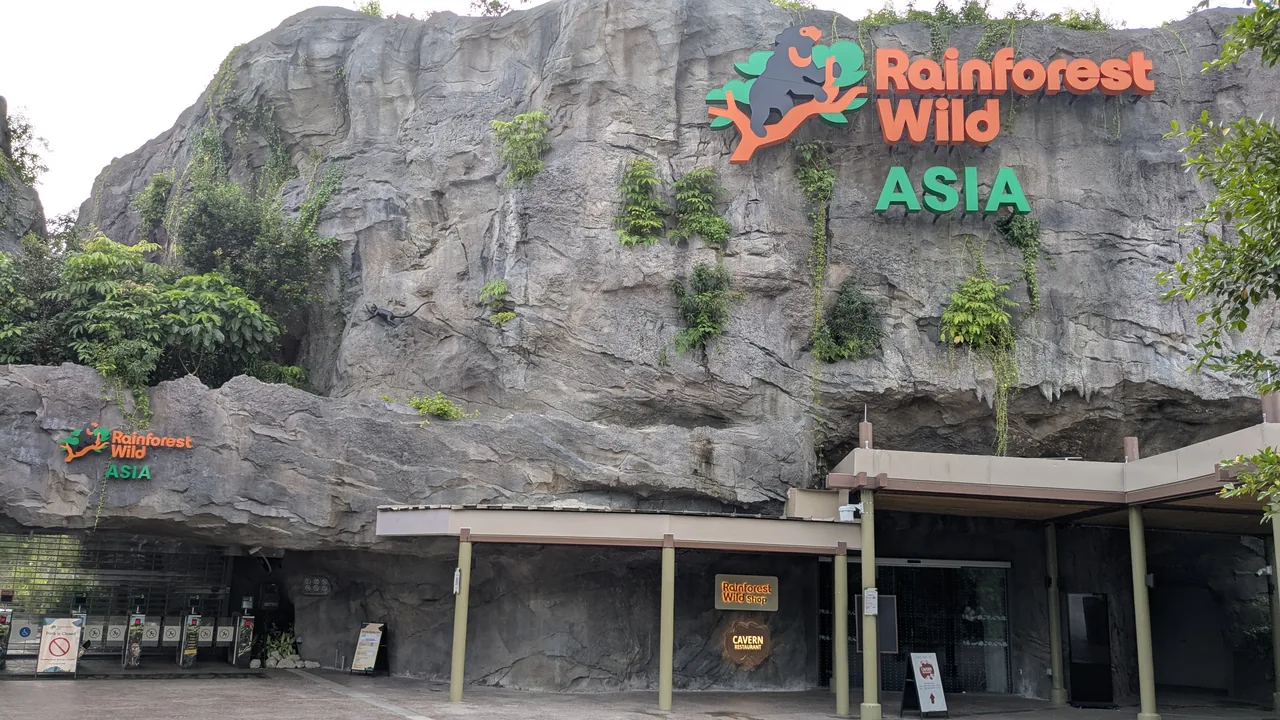
The old name has not disappeared, and that is the source of most of the confusion. Booking platforms still sell the park under Rainforest Wild Asia, and the old wording survives inside some product web addresses even where the page title has been updated. The sign at the park entrance also still reads Rainforest Wild ASIA, carved into the rock face above the ticket office, so the first thing many visitors see contradicts the name on their ticket.
The rename matters for a practical reason beyond tidiness. Anything written between March 2025 and May 2026 describes a single 13 hectare park with the Asian animals and four activities. It does not know about the EAST zone, the okapi, the ring-tailed lemurs or the five activities on that side. When you read an itinerary that says three hours is plenty, check its date: three hours was a sensible figure for one zone, and it is now the figure for half the park.
One more distinction is worth stating plainly, because the Mandai site holds several parks with similar names. This park is not Singapore Zoo, not Night Safari, not River WondersMap and not Bird ParadiseMap. The giant pandas are in River Wonders, not here.
3. WEST and EAST: What Is Different
WEST is the larger Asian half with the cave and the tiger, EAST is the smaller African half with the okapi and most of the harness activities. One ticket admits you to both, and a free shuttle connects the two entrances in about two minutes.
| Item | WEST zone | EAST zone |
|---|---|---|
| Area | 13 hectares | 7 hectares |
| Areas inside | 8 | 4 |
| Theme | Asian animals and terrain: limestone, a 220m cave, canopy nets | African animals and terrain: a red ravine, riverine forest, five forest treks |
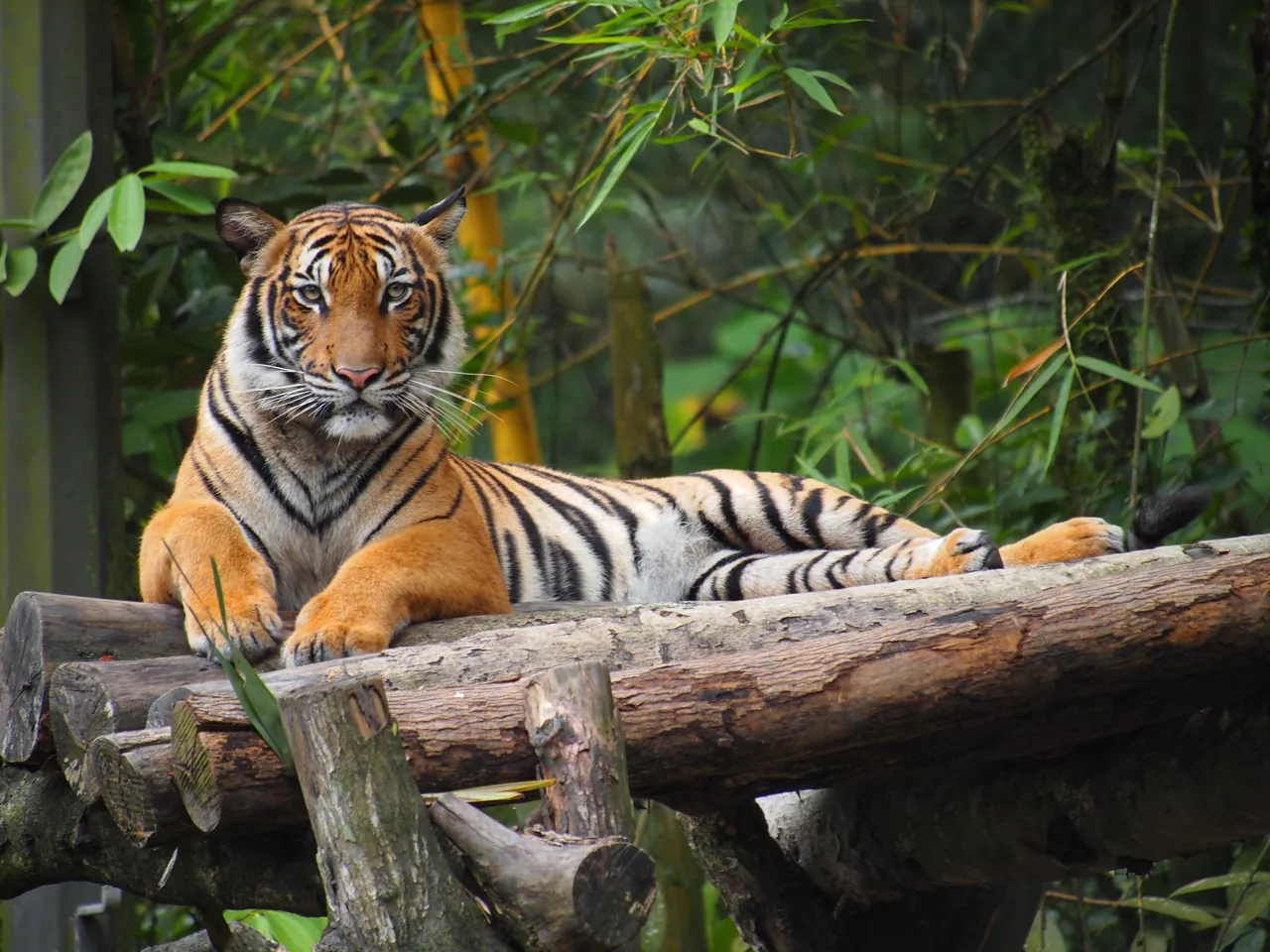
| Animals people come for | Malayan tiger, Malayan tapir, Malayan sun bear, saltwater crocodile, langurs | Okapi, pygmy hippo, Diana monkey, ring-tailed lemur, Indian gharial |
| Adventure+ activities | 4: AIA Vitality Bounce, Cavern Crawl, Rock Wall Climb, Canopy Jump | 5: Canopy Glider, Treetop Traverse, Primate Climb, Ravine Swing, Split Rock Summit |
| Black Adventure sessions | Both routes start here | None |
| Entrance | 20 Mandai Lake Road | 80 Mandai Lake Road |
The split is not a case of one zone being the main event and the other an extension. The two zones divide the terrain between them. WEST is built around rock: the limestone landscape of The Karsts, the cave, the gorge at the entrance, and the widest animal area in the park at Watering Hole. EAST is built around water and slope: a river habitat, a red ravine that the swing hangs over, and short forest treks that climb and drop between viewing points.
For planning, the number that matters most is five against four. Five of the nine included activities are in EAST, including three of the four rated at the top of the thrill scale. A group that came mostly to climb and jump should protect its EAST time, and a group that came mostly for animals will find WEST is the bigger walk. Re-entry is allowed until last entry, so a mid-visit meal or a rest in the car does not cost you the rest of the day.
The shuttle between the zones is free and short, but it runs on its own rhythm rather than on demand, so allow more than two minutes in a real schedule. Anyone hoping to cross back and forth repeatedly should reconsider: two crossings is a comfortable maximum in one visit.
4. Which Zone Should You Start With?
Start in WEST if activities are the point of the day, and start in EAST if the animals are. Either way, do the more important half first, because activity sessions close before the park does and the animals get harder to see as the heat builds.
The activity route below assumes you want to attempt as many of the nine as your group qualifies for. It front loads WEST because the WEST activities cluster near the entrance, then moves to EAST for the higher rated ones with a meal in between.
- Arrive at the WEST entrance, 20 Mandai Lake Road, for opening and ask at the first activity desk which sessions are running and when the last one starts.
- Take Rock Wall Climb and Canopy Jump first, while queues are short and the surfaces are dry.
- Follow with AIA Vitality Bounce and Cavern Crawl, which suit a wider range of ages and heights and are easier to fit around a tired child.
- Eat inside WEST, then take the free shuttle across to the EAST entrance.
- Work through Canopy Glider, Treetop Traverse, Primate Climb, Ravine Swing and Split Rock Summit, keeping an eye on last session times.
- Walk the EAST loops on the way out, since the animals there are within a short circuit of the exit.
The animal route reverses the order and uses the cooler part of the morning for viewing. It also puts the cave later in the day, when shade is worth more.
- Start at the EAST entrance, 80 Mandai Lake Road, and go straight to Hidden Forest and Lemur Land while the air is still cool.
- Walk the forest treks next, taking the shorter ones if the group includes young children.
- Cross to WEST for lunch, then walk Rock Cascade and Watering Hole, the two areas most people come for.
- Use The Cavern in the hottest part of the afternoon, since it is the coolest walkable space in the park.
- Fit any activities into gaps rather than building the day around them, and check each desk for its final session.
Whichever order you pick, the free shuttle that links the Mandai parks is separate from the one that links these two zones, so do not confuse the two when you plan a combined day out. The Mandai parks and how they connect sets out those transfers. Within Rainforest Wild Adventure, treat the zone crossing as a fixed point in the schedule and build the rest around it.
5. Inside the WEST Zone: Eight Areas
The WEST zone holds eight areas across 13 hectares, and its two headline sights are the 220m artificial cave and the widest animal area in the park, Watering Hole. This is the Asian half of the park, and it is the half that existed before May 2026.
| Area | What is in it |
|---|---|
| Entrance Gorge | A freshwater habitat at the start of the route, with Asian arowana and southern river terrapin. |
| The Karsts | Limestone terrain, home to the François langur. |
| The Outpost | A rest area with room to sit down, and the place where camping is possible. |
| Forest Floor | Hog deer, axis deer, lesser mouse deer and tortoises. |
| Rock Cascade | Malayan tiger, dhole and babirusa. |
| The Canopy | Javan langur, siamang, red-shanked douc langur and Philippine spotted deer, plus the Langur Walking Nets that visitors cross overhead. |
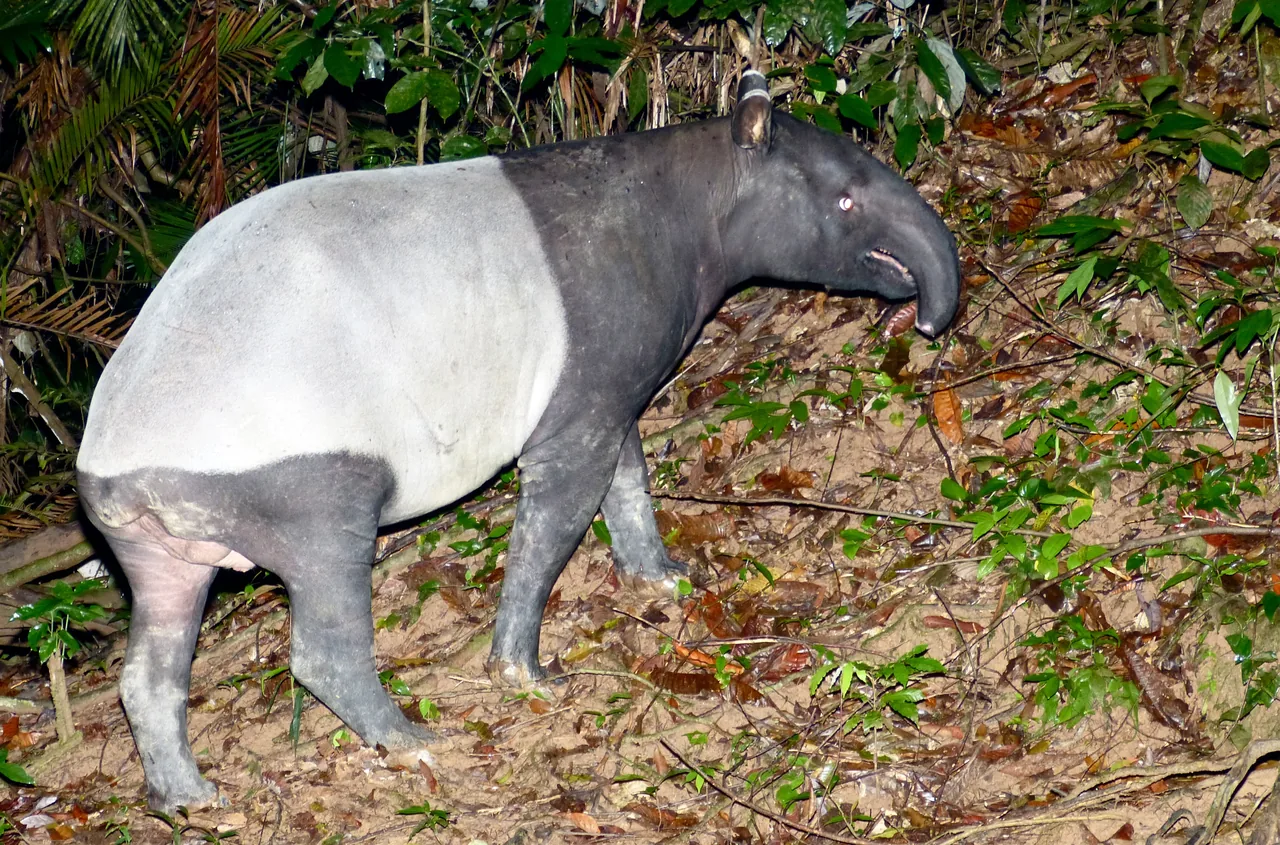
| Watering Hole | The largest area in the zone: Malayan tapir, Malayan sun bear, saltwater crocodile, babirusa, bearded pig and dhole. |
| The Cavern | A 220m artificial cave, drawn from the Mulu caves in Sarawak, with Madagascar hissing cockroach, cave fish, cave snake and Asian forest scorpion. |
The Cavern is the single most unusual space here, and not only because 220m is long for a built cave. It is dark, cool and enclosed, which makes it the natural place to be when the sun is high or a shower arrives. There is also a restaurant inside it, which is the only fine dining room in the park and runs in the evening rather than at lunch.
The Langur Walking Nets in The Canopy are worth understanding before you get there, because they read as an activity but are part of the walking route. You cross above ground level, at the same height as the langur enclosures, without a harness and without a session booking. Families who find the harness activities too much often get their best half hour of the day here.
Watering Hole rewards patience more than any other area in the zone. It is the widest space, it holds the tapir and the sun bear, and the animals in it have room to be somewhere you cannot see. Two passes at different times of day work better than one long stand at the rail, and the cafe on this area looks onto the tapir habitat, so a drink stop doubles as a second look.
6. Inside the EAST Zone: Four Areas and the Okapi
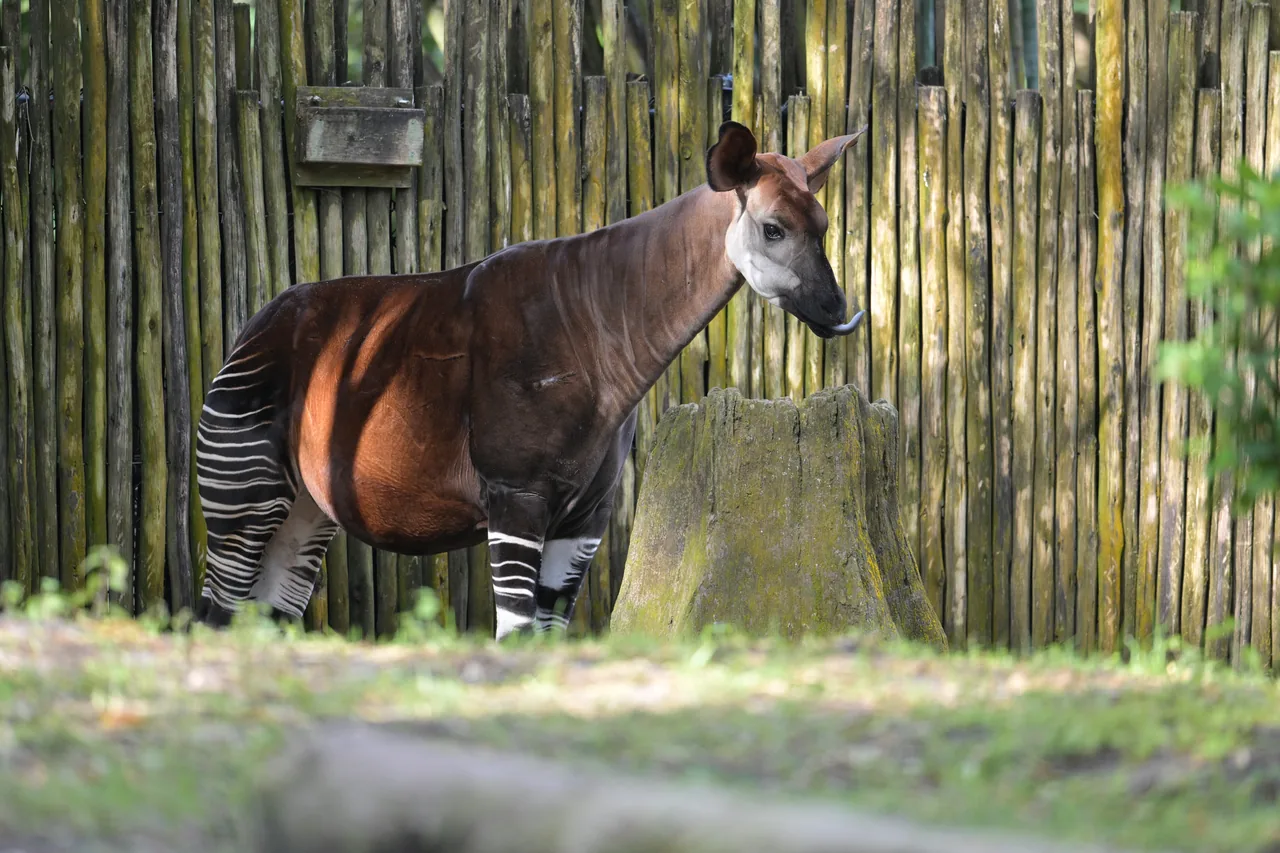
The EAST zone is 7 hectares in four areas, and it holds the animals you cannot see anywhere else in the country: four okapi, brought from Berlin Zoo, and the only Diana monkeys in Singapore. The okapi are on show in Southeast Asia for the first time.
| Area | What is in it |
|---|---|
| Riverine Forest | A riverbank habitat with storks, ducks, crocodilians and the Indian gharial. |
| Red Ravine | Red rock ravine terrain. The Ravine Swing is rigged to use this drop. |
| Lemur Land | Ring-tailed lemurs, with a trampoline playground for children beside them. |
| Hidden Forest | Okapi, pygmy hippo, Diana monkey, eastern bongo, red river hog and Nile lechwe. |
Hidden Forest is the reason most people cross to this side. Okapi are forest animals from central Africa, and the four here arrived from Berlin Zoo for the opening of this zone, which makes them the first shown in Southeast Asia. The pygmy hippo and the Diana monkey are in the same area, and the Diana monkey has no other home in the country. None of that guarantees a sighting: these are recent arrivals in planted habitats, and the park itself suggests asking a ranger where the animals are rather than waiting at a rail.
Beyond the four areas, EAST is laced with five forest treks between 65m and 260m long. They are earth paths with roots, logs and rock, and they climb and drop rather than running level. The short ones fold easily into a walk with children, and the longest is a proper trek in heat. Anyone using a pram or a wheelchair should stay on the Elevated Walkway and treat the treks as optional, since the walkway reaches the viewing points without the rough ground.
Birds appear along the Riverine Forest habitat, storks and ducks among them, but they are part of a river scene rather than the focus. Visitors whose real interest is birds should give a separate morning to Bird Paradise and its aviaries instead, and use EAST for the mammals and the ravine terrain. The Ravine Swing is also in this zone, which means the noise of a swing session and the quiet of animal watching sit closer together here than in WEST.
7. Adventure+: The Nine Activities Included With Admission
Adventure+ is the name for nine activities that come with the park ticket: four in WEST and five in EAST, rated 1 to 5 for thrill, each with its own height and weight limits. They are separate from Black Adventure, which is guided and costs extra.
| Activity | Zone | Thrill | Height | Weight | What you do |
|---|---|---|---|---|---|
| AIA Vitality Bounce | WEST | 1 | 0.9m and up | Up to 120kg | Nets 3m to 7m above the ground and a 9m slide. A child under 1.35m needs an adult alongside. |
| Cavern Crawl | WEST | 1 | A child under 1.15m needs an adult alongside | Not listed | Crawl and squeeze through cave passages. No harness. |
| Rock Wall Climb | WEST | 4 | 0.9m to 2.1m | 12kg to 120kg | An outdoor climbing wall up to 16m, harness worn. |
| Canopy Jump | WEST | 5 | 1.35m and up | 20kg to 120kg | A drop from a 13m or 20m platform, harness worn. |
| Canopy Glider | EAST | 2 | 0.95m to 2.0m | 15kg to 120kg | A 500m glide. No harness, and a child under 1.30m needs an adult alongside. |
| Treetop Traverse | EAST | 3 | 1.35m to 2.1m | Up to 120kg | A 125m course of swaying bridges, harness worn. |
| Primate Climb | EAST | 4 | 0.9m to 2.1m | 12kg to 120kg | An 11m climb on a fig tree, harness worn. |
| Ravine Swing | EAST | 5 | 1.3m to 2.0m | 30kg to 120kg | A swing up to 8m high, harness worn. Pairs are weighed before boarding and must be within 20kg of each other. |
| Split Rock Summit | EAST | 5 | 1.35m to 2.1m | Up to 120kg | An 11m vertical climb with rock sections, harness worn. |
Six of the nine put you in a harness: Rock Wall Climb, Canopy Jump, Treetop Traverse, Primate Climb, Ravine Swing and Split Rock Summit. Cavern Crawl and Canopy Glider run without one, which is why their height bars sit lower. That division is the quickest way to sort a group: anyone unwilling to be strapped into a harness still has the cave crawl, the glide and the walking nets, and everything else is off the list.
Closed-toe shoes are compulsory. Slippers and sandals will be turned away, and each activity point lends out trainers if you arrive in the wrong footwear. Some activities need a signed waiver, and phone pouches are handed out so you can film without dropping anything.
Session times run roughly 9.30am to 5.30pm, with the last session at or before around 5pm depending on the activity. That is narrower than the park’s own hours, so a late arrival can walk the whole park and still miss every activity it paid for. Activities also stop for weather, maintenance and operational reasons, and the line-up and session times change from time to time, which is why the desk on the day is a better source than any list written in advance.
One planning note that saves arguments: the two rated 5, plus Split Rock Summit, all sit in EAST, and Canopy Jump, the other 5, is in WEST. A group split between cautious and fearless members will do best by pairing the timid half with the walking nets and the cave while the rest queue.
8. What Can Children Do? Height Limits by the Number
Children from 0.9m can join three of the nine activities, and the number opens up at 0.95m, 1.3m and 1.35m. The park sets both height and weight bars, and several activities allow a shorter child only with an adult alongside.
| Height | What opens up | Conditions to know |
|---|---|---|
| 0.9m | AIA Vitality Bounce, Rock Wall Climb, Primate Climb | Rock Wall Climb and Primate Climb need at least 12kg. On AIA Vitality Bounce an adult must go along with a child under 1.35m. |
| 0.95m | Canopy Glider, in addition to the three above | 15kg minimum, and an adult must go along with a child under 1.30m. |
| Under 1.15m | Cavern Crawl, with an adult | The crawl has no harness, so an adult companion is the condition rather than a height bar. |
| 1.3m | Ravine Swing joins the list | 30kg minimum, up to 2.0m tall. Pairs are weighed and must be within 20kg of each other. |
| 1.35m | Canopy Jump, Treetop Traverse, Split Rock Summit, so all nine are open | Canopy Jump needs 20kg. Treetop Traverse and Split Rock Summit allow up to 2.1m. |
Measure the child before you travel rather than at the desk, because the gap between 1.30m and 1.35m decides four activities. A child at 1.32m can swing but cannot jump or cross the bridges, and that is a difficult conversation to have in a queue. Weight bars catch people out too: a tall, light eight year old can clear 1.35m and still fall short of the 20kg minimum on Canopy Jump or the 30kg minimum on Ravine Swing.
Beyond the activity list, the park works for families in three ways that need no height at all. Prams and wheelchairs travel the Elevated Walkway, which reaches the animal viewing points without stairs or loose ground. Lemur Land in the EAST zone has a trampoline playground next to the lemur habitat. Nursing rooms are at the EAST entrance and near Rangers Retreat. The indoor playground beside Sentinel Foodhall in WEST is the place to sit out a shower with a small child.
What does not work well with a toddler is the Forest Treks network: orange marked earth paths with logs and rocks, fine in trainers and awkward with a pram. Plan the day on the walkway, add treks only if everyone can walk them, and remember the whole park is outdoors and hot by mid morning. Our wider notes on travelling in Singapore with children cover pacing and rest stops across the city, and the same rule applies here: one activity, one animal area, one break, repeat.
9. Black Adventure: Two Guided Routes Booked Separately
Black Adventure is the park’s guided tier: two three hour routes, both in the WEST zone, capped at 12 people per session and charged separately from admission. Park entry is still required, and bundles that include admission are sold.
| Route | What it involves | Zone |
|---|---|---|
| Wild Apex Adventure | Harness worn throughout, metal footholds and aerial structures, reaching a maximum height of 20m. | WEST |
| Wild Cavern Adventure | Harness worn throughout, a descent into the abyss and passage through narrow sections. | WEST |
The requirements are the same for both routes and they are stricter than anything in the Adventure+ list. Participants must be between 1.35m and 2.1m tall and weigh between 20kg and 120kg. They must be able to climb ladders and walk over uneven ground without help, and the harness provided has to fit them properly. Each session takes three hours and holds a maximum of 12 people, so places go before walk-ups arrive, and booking at least 24 hours ahead is the sensible approach.
Black Adventure is not open to anyone who is pregnant, has a heart condition or blood pressure problem, has had recent surgery or an injury, has physical limitations or weak bones, is prone to panic or anxiety episodes, or is under the influence of alcohol or drugs.
The dress code is enforced rather than suggested. Sportswear and trainers are required, and slippers, sandals or loose fitting shoes will be refused. Loose items and jewellery have to be left behind, sharp objects, selfie sticks and tripods are not allowed on the route, and any phone you carry must be secured so it cannot fall onto people below. Guides check all of this before a session starts, and a group that turns up unprepared loses its slot rather than the equipment rules.
Whether the extra fee is worth paying comes down to appetite. The Adventure+ nine are short bursts of a few minutes each with queuing in between. Black Adventure is a continuous three hour route with a guide and no way to step off halfway, which suits people who found a climbing wall too brief and does not suit anyone who wanted to sample and move on. The fee for these two routes is not published in the material we can verify, so treat it as a separate line item and check the amount at the point of booking.
10. Tickets, Resident Rates and the Mandai Passes
A non-resident adult ticket is S$55 and a child aged 3 to 12 is S$39, both covering the two zones and the Adventure+ activities that the current notice includes. All prices are in Singapore dollars and include 9% GST.
| Who | Price | Conditions |
|---|---|---|
| Non-resident adult | S$55 | Covers both zones on the chosen date, with re-entry before last entry. |
| Non-resident child, 3 to 12 | S$39 | Height and weight limits still decide which activities the child can join. |
| Child under 3 | Free | Admitted with an accompanying adult aged 21 or over. |
| Resident adult (WildPass) | S$50 | Singapore residents. Proof is checked at the gate. |
| Resident child | S$35 | Singapore residents. |
| Student | S$35 | Singapore residents. |
| Senior, 60 and over | S$25 | Singapore residents. |
Tickets are valid only on the date selected and are not refundable, including when an Adventure+ activity you wanted turns out to be closed. The park recommends buying online in advance, and Black Adventure sessions should be booked at least 24 hours ahead because each one holds 12 people. Additional activities can be purchased separately on top of what admission covers.
Soft opening promotion, current notice: ticket holders get all nine Adventure+ activities on weekdays and up to five at weekends and public holidays, listed as running until August 2026. What replaces it has not been published, so check the inclusion wording on the official site or the checkout screen before you pay for a specific date.
| Mandai pass | Adult | Child | What it covers |
|---|---|---|---|
| 2 attractions, 1 day | S$88 | S$60 | Any two of the Mandai attractions on the same day. |
| 6 attractions, 1 day | S$118 | S$90 | All six, valid for one day, which is a hard pace to keep. |
| 6 attractions, 5 days | S$158 | S$110 | All six spread over five days, the realistic version of the six attraction pass. |
The six attractions are Singapore Zoo, River Wonders, Bird Paradise, Night Safari, this park, and Exploria, an indoor multimedia attraction that opened on 3 March 2026 in Mandai East. A free shuttle links the parks, so a multi park day is physically possible even if it is tiring. One caution deserves emphasis: resale listings suggest a pass may not include Adventure+ on the same terms as a standalone ticket, and we could not confirm the details, so read the inclusion line on the purchase screen rather than assuming the two are identical. The wider question of which city passes are worth it sits in our attraction pass comparison, and daily costs for a Singapore trip are set out in the Singapore budget breakdown.
The honest drawbacks before you buy: this is an outdoor park, so the activities you are paying for can stop for weather at any point; the weekend inclusion is smaller than the weekday one under the current notice; the ticket is tied to one date with no refund; and the park is about 30 minutes from the city centre, so a wet afternoon costs you the travel as well. Current ticket and Mandai pass options are listed just below.
11. Rainforest Wild Adventure or Singapore Zoo?
Choose this park if your group wants to climb, crawl and cross bridges; choose the zoo if you want to see many animals comfortably. They sit on the same Mandai site and answer different questions, and the ticket for one does not cover the other.
| Point of comparison | Rainforest Wild Adventure | Singapore Zoo |
|---|---|---|
| Character | Physical activities are part of the admission price | An animal park built for viewing |
| Terrain | Ravine, limestone, a cave, structures up in the trees | Flat viewing paths |
| Animals | 58 species | Considerably more, and the figures are in our Mandai parks rundown |
| Internal transport | None. You walk, and a shuttle links the two zones | A tram runs a loop |
| Clothing | Trainers needed | Ordinary clothes are fine |
| Time required | About three hours per zone, a full day for both | Three to four hours |
The clearest way to decide is to look at who is in the group. A family whose children are all over 1.35m and enjoy heights will use most of what the adventure park charges for, and the zoo will feel slow by comparison. A family with a toddler, a pram, a grandparent or anyone who tires in the heat will get more from flat paths and a tram, and will end up paying for activities nobody uses.
Weather changes the answer too. Both places are outdoors, but a shower at the zoo means shelter and a slower walk, while a shower here can close the activities that were the reason for coming. If your only free day looks unsettled and the group is here for adventure rather than animals, an indoor plan is safer: the aquarium puts animals in front of you regardless of the sky.
There is no rule against doing both, and plenty of visitors do, on separate days rather than back to back. Doing both in one day means two tickets, a shuttle transfer and roughly seven hours of walking, which is more than most groups enjoy. If you have two Mandai days, put the adventure park on the fresher morning, since it asks more of your legs than the zoo does.
12. How to Get to Rainforest Wild Adventure
The standard route is the North South Line to Khatib, then the M2 shuttle bus, which costs S$2.50 and takes about 20 minutes. Two public buses and a 30 minute drive from the city centre are the alternatives.
| Option | How it works | Numbers to know |
|---|---|---|
| MRT and shuttle | Get off at Khatib (NS14) and take the M2 shuttle bus from the station. | S$2.50 for adults and for children aged 7 to 12, free under 7. Runs 8.30am to midnight, every 15 minutes, every 20 minutes between 11pm and midnight. About 20 minutes. |
| Bus 138 | Board at Ang Mo Kio (NS16) or Springleaf (TE4). | A public bus route, so the standard fare system applies. |
| Bus 927 | Board at Choa Chu Kang (NS4). | Useful from the west of the island. |
| Car | About 30 minutes from the city centre, with car parks at both zone entrances. | First hour S$3, then S$2 per hour, capped at S$10 per entry. Motorcycles free. Vehicle height limit 2.1m. |
| Ride-hailing | Grab, Gojek, Zig, TADA and Ryde all serve the area. | Worth pricing against the shuttle for a group of four or more. |
Getting off at the right stop matters more here than the choice of route, because the two zones have separate entrances a shuttle ride apart. For the WEST zone, the drop-off is bus stop 48111, and the address is 20 Mandai Lake Road. For the EAST zone, the drop-off is Coach Bay 3 at the Mandai Transport Hub, and the address is 80 Mandai Lake Road. Tell a ride-hailing driver the zone as well as the road name, because Mandai Lake Road serves several parks and the wrong end of it is a long walk in the heat.
Anyone arriving under their own steam has two more options. Bicycle parking is provided at both zones. Drivers should note the 2.1m vehicle height limit before turning in with a roof box or a van. On the way back, the shuttle runs late enough to cover a full day plus a meal, and the buses connect to three different MRT lines, so the return trip is rarely the problem.
How this park fits your travel days depends on where you sleep. It sits at the northern end of the island, so the trip out is longer than most visitors expect from a city that feels small: the Singapore MRT and bus basics explain the fare system and interchanges, and our notes on where to stay in Singapore cover which neighbourhoods make a north side day trip painless.
13. When to Go, and How Long It Takes
Go in the morning: the park runs 9am to 6pm with last entry at 5pm, and the activity desks close around 5.30pm with their final sessions earlier still. Budget three hours for one zone and a full day for both.
| Part of the day | What to expect |
|---|---|
| 9am | Gates open. Cooler air, animals more active, no queues yet. Activity desks start around 9.30am. |
| Late morning | The best window for activities. Harness fitting and queues are quick, and surfaces are dry. |
| Early afternoon | Hottest hours, and showers are common. A good time for the cave, the indoor food hall or a restaurant. |
| Around 5pm | Last entry to the park. Final activity sessions have already gone or are going. |
| 5.30pm to 6pm | Activity desks wind down, then the park closes. Walking routes only. |
The mismatch between park hours and activity hours is the single most common planning error here. A ticket bought for 3pm still gets you in, but it buys a walk rather than an adventure, because the activities you paid for are already closing their last sessions. If your day cannot start early, consider a different date rather than a late entry, and check session times at the first desk you pass, since they vary by activity and change with weather and staffing.
Rain deserves a plan rather than a hope. Afternoon showers are frequent in this climate, the activities are outdoors, and they stop when conditions require it. The cave in the WEST zone and the indoor eating places are the shelter, and none of them refund anything, so the practical response is to do the activity you care about most first and treat the rest as a bonus. For the seasonal picture across the year, our guide to when to visit Singapore sets out the wetter months and the crowd peaks.
One more scheduling point: this park does not pair well with a second big attraction on the same day. It sits at the northern end of the island while the resort attractions sit at the southern end, so combining a Mandai morning with Sentosa in the afternoon means crossing the whole city between two long walks. Groups who try it usually cut the second half short.
14. What to Wear and What to Bring
Trainers are the one non-negotiable item: closed-toe shoes are required for the activities, and slippers and sandals will be turned away. Everything else on the list is about heat, rain and keeping your hands free.
| Item | Why it matters here |
|---|---|
| Closed-toe trainers | Required for Adventure+ and for Black Adventure. The earth paths and the cave floor are also poor ground for open shoes. |
| Change of clothes | Between the heat, the harness and any shower, most people finish the day damp. A dry shirt for the trip back is worth the space. |
| Water | The whole park is outdoors and the walking routes climb and drop. Refill at the eating places between areas. |
| Hat and sunscreen | The Elevated Walkway and the open animal areas have long stretches without shade. |
| Rain jacket or poncho | Showers arrive quickly in the afternoon, and a poncho keeps you moving between areas rather than waiting them out. |
| A way to secure your phone | Phone pouches are provided so you can film during an activity. Loose items and jewellery are not allowed on Black Adventure routes. |
| Spare socks | Small thing, large difference after a wet path or a slide. |
If you do arrive in the wrong shoes, the day is not lost: each activity point lends out trainers, so you can swap at the desk. Borrowed shoes are still less comfortable than your own over a full day of walking, and the loan is a rescue rather than a plan. Anyone joining a Black Adventure session should treat the dress code as strict, since sportswear and proper trainers are checked before the session starts and loose fitting shoes are refused.
What to leave behind is just as clear. Sharp objects, selfie sticks and tripods are not allowed on the guided routes, and anything in a pocket that can fall from height is a problem on the aerial structures. Jewellery and dangling straps come off before a harness goes on. Travel light enough that you can carry your own bag through a cave passage, because the day involves narrow spaces as well as open paths.
Two comfort notes that visitors mention often. First, the harness sits over your clothes, so a thin long sleeve layer is more pleasant than bare arms under the straps. Second, the cave and the indoor rooms are noticeably cooler than the paths, which is a relief in the afternoon and a small shock if you have been sweating for two hours, so a light layer earns its place in the bag.
15. Where to Eat in Each Zone
There are six places to eat, four in the WEST zone and two in the EAST zone, ranging from ice cream to a fine dining room inside the cave. Most people eat once in the zone they start in and cross over afterwards.
| Zone | Place | What it serves |
|---|---|---|
| WEST | Rangers Cafe, in The Outpost | Sandwiches, wraps and pastries. The quick option near the rest area. |
| WEST | Sentinel Foodhall, at Rock Cascade | Southeast Asian dishes, with an indoor playground beside it. |
| WEST | Watering Hole Cafe | Open all day, with a view onto the tapir habitat. |
| WEST | Cavern Restaurant | Evening fine dining, in a room inside the cave. |
| EAST | Rangers Pitstop | A cafe, and the place for ice cream. |
| EAST | Rangers Retreat | A sit-down restaurant. Mains from S$16 and drinks from S$4.50. |
For a family day, Sentinel Foodhall is the most useful room in the park, and not only for the food. It is indoors, it serves Southeast Asian dishes that suit a mixed group, and the playground next to it gives children somewhere to be while the adults finish eating. It is also the obvious place to sit out an afternoon shower in the WEST zone, which is worth remembering when the sky closes in and the activity queues empty.
Watering Hole Cafe is the other WEST option worth planning around, because it opens onto the tapir habitat. A drink there counts as a second attempt at seeing an animal that had its back to you an hour earlier, which is a fair use of a rest stop in a park where sightings are not promised. Rangers Cafe suits groups who would rather carry a sandwich than sit down.
The EAST zone is thinner on food, which matters if you plan to spend your afternoon there. Rangers Pitstop covers drinks, snacks and ice cream, and Rangers Retreat is the one proper restaurant on that side, with mains and drinks at the levels above, so it is the place to eat a real meal without crossing zones. Nursing rooms are near Rangers Retreat and at the EAST entrance.
Cavern Restaurant sits apart from the rest. It is a fine dining room in the evening, inside the 220m cave, which makes it a plan of its own rather than a lunch stop between activities. Anyone interested should check availability and hours in advance, since an evening booking runs on a different clock from a park visit that ends at 6pm.
16. An Honest Verdict, and What to Read Next
Rainforest Wild Adventure earns its ticket for groups who will actually use the activities, and overcharges those who only want to look at animals. The nine Adventure+ activities, the cave and the ravine terrain are the value here, and none of them work for everyone in every group.
| Suits | Does not suit |
|---|---|
| Groups where everyone clears 1.35m and enjoys heights | Visitors who dislike harnesses, ladders or uneven ground |
| Families with children over 0.9m who want more than viewing | Families with a toddler and a pram as the whole group |
| Anyone curious about the okapi, the lemurs and the 220m cave | Anyone who wants a guaranteed sighting of a specific animal |
| Travellers with a full free day and an early start | Travellers with three spare hours in the afternoon |
The drawbacks are real and worth stating before the recommendations. The park sits about 30 minutes from the city centre, so a visit costs travel time at both ends. It is entirely outdoors, and the activities stop for weather, maintenance and operational reasons, with no refund for what you miss. Under the current notice, the number of included activities is smaller at weekends and on public holidays than on weekdays. Activities involve queuing and harness fitting, so nine of them is an ambitious target rather than a normal day. And the animals moved in recently, which means quiet habitats on some mornings. Ticket and Mandai related options are listed below for anyone who has weighed all that and still wants to go.
If you decide to go, the useful next step is fitting it into the rest of the week. Our Singapore itinerary plans show where a full northern day belongs, and the round-up of things to do in Singapore puts this park next to the other options competing for that day. Anyone still weighing the Mandai parks against each other should start with the Mandai comparison, which is where the animal counts and the park by park differences live.
One closing reminder, because this park is still changing. It opened in March 2025, gained a second zone and a new name in May 2026, and its activity line-up, session times and inclusion terms have moved more than once since. Read the official notices for the date you plan to visit, and treat any list written in advance, including this one, as the starting point rather than the last word.
🎡Things to Do52
🍜Food6
🏨Where to Stay10
🚇Getting Around4
🧭Travel Tips20
Questions people ask before they book
Yes, they are one park with two names in circulation. The park opened on 12 March 2025 as Rainforest Wild Asia and took the name Rainforest Wild Adventure on 20 May 2026, the day the EAST zone opened to visitors.
Plenty of booking sites, product URLs and even the sign at the entrance still show the old name. If a listing says Asia, it is the same address, the same gate and the same ticket.
The nine Adventure+ activities are covered by the park ticket, while the two Black Adventure routes are guided sessions sold on top of it. Nothing extra is paid at the activity desk for an Adventure+ session that your ticket covers.
How many of the nine you can do depends on the day you visit and on the notice in force when you buy, so read the inclusion line on the checkout screen before you pay. Individual activities can also be bought separately.
Yes. One dated ticket admits you to both the WEST and the EAST zone, and a free shuttle links the two entrances in about two minutes. There is no second gate fee for crossing.
Re-entry is allowed as long as you come back before last entry, so leaving one zone for a meal and returning later is fine. The ticket is only valid on the date you selected.
The park is open daily from 9am to 6pm, and last entry is 5pm. Arriving at 4.30pm leaves too little time for a zone, let alone two.
The activity desks keep shorter hours than the park, roughly 9.30am to 5.30pm, and the final session of each activity starts earlier still, at around 5pm for some and sooner for others. Times shift with weather and staffing, so ask at the desk when you arrive.
The lowest height bar is 0.9m, which opens AIA Vitality Bounce, Rock Wall Climb and Primate Climb, and Canopy Glider starts at 0.95m. The high activities, Canopy Jump, Treetop Traverse and Split Rock Summit, need 1.35m, and Ravine Swing needs 1.3m.
Some activities also set a minimum weight: 12kg for Rock Wall Climb and Primate Climb, 15kg for Canopy Glider, 20kg for Canopy Jump, 30kg for Ravine Swing. An adult must go along with a child under 1.35m on AIA Vitality Bounce, under 1.30m on Canopy Glider and under 1.15m on Cavern Crawl.
Yes, on the Elevated Walkway, which is built for prams and wheelchairs. That walkway is the spine of the visit and reaches the animal viewing points without stairs.
The Forest Treks are the other kind of path: orange markers, packed earth, logs and rocks underfoot. Those are not passable with wheels, so plan a visit around the walkway and treat the treks as optional. Nursing rooms are at the EAST entrance and near Rangers Retreat.
Closed-toe shoes are required for the activities, and slippers or sandals will not be accepted. Trainers are the safe answer for the whole day, because the earth paths get slick after rain.
If you turn up in sandals, each activity point lends out trainers, so the day is not lost. It is still more comfortable to wear your own shoes and carry a spare pair of socks.
Budget about three hours for one zone, and a full day if you want both. That estimate assumes you do some activities, since queuing and harness fitting take longer than the activity itself.
Two zones, a shuttle crossing and a sit-down meal fill the whole 9am to 6pm window with very little slack. Groups with half a day free do better picking one zone and doing it properly.
The usual route is the North South Line to Khatib, then the M2 shuttle bus, which takes about 20 minutes. The shuttle runs from 8.30am to midnight, every 15 minutes for most of the day.
Bus 138 runs from Ang Mo Kio or Springleaf, and bus 927 from Choa Chu Kang. By car or ride-hailing it is roughly 30 minutes from the city centre, and there is a car park on site with an hourly rate and a daily cap.
They answer different questions, so the choice depends on whether your group wants to do things or to look at things. This park puts climbing, jumping and cave crawling inside the ticket and asks you to walk gorge and forest terrain in trainers.
The zoo has more animals, flatter paths and a tram, and works in ordinary clothes. Families with a very young child, a pram or anyone who tires easily generally get more out of the zoo. Groups with children over 1.35m who like heights get more out of the adventure park.
Activities pause when the weather calls for it, and they also close for maintenance or operational reasons. Afternoon showers are common here, so an activity you were counting on may be shut when you reach it.
Tickets are not refunded for an Adventure+ activity you could not do. The practical fix is to arrive early, do the activity you most want first, and keep the cave, the indoor food hall and the restaurants as the wet weather plan.
A multi-attraction Mandai pass pays off only if you will genuinely visit more than one park, and one park a day is a realistic pace here. A single ticket is the cleaner choice for anyone spending one day in Mandai.
One point deserves care: a pass may not cover the Adventure+ activities on the same terms as a standalone ticket. Check the inclusion wording on the purchase screen before you buy, because that is where the difference shows up.
Planning the rest of the trip? Start from the Singapore planner.