
Singapore Botanic Gardens: The Free UNESCO Garden (and How It’s Not Gardens by the Bay)
Singapore’s free, historic UNESCO garden: orchids, primary rainforest, swans and old trees, plus exactly how it differs from Gardens by the Bay.
| What it is | Singapore’s only UNESCO World Heritage Site; a free, 160-plus-year-old tropical garden |
|---|---|
| Opening hours | Whole gardens daily 5am to midnight; National Orchid GardenMap 8:30am to 7pm (last entry 6pm) |
| Entry | Free; only the National Orchid Garden charges (about S$15 foreign adult; under-12 free) |
| Don’t confuse | This is NOT Gardens by the BayMap (the paid domes at Marina Bay, about 8 to 10 km away) |
| Must-see inside | National Orchid Garden, the primary Rain Forest, Swan LakeMap, the Bandstand, heritage Tembusu trees |
| Best time | Early morning (7 to 9am) or late afternoon; weekends have free concerts |
| Getting there | Bukit Timah GateMap is about 30 m from Botanic Gardens MRT (Circle and Downtown lines) |
| How long | About 2 to 3 hours for the highlights, half a day to wander |
1. The short answer: a free UNESCO garden, and which gate to use
2. Why it’s a UNESCO World Heritage Site (the rubber story)
3. Botanic Gardens vs Gardens by the Bay: which should you visit?
4. The National Orchid Garden: the one part worth paying for
5. The Rain Forest and Learning Forest: original jungle in the city
6. Swan Lake, the Bandstand and the heritage trees
7. Free concerts at Symphony Lake
8. Bringing kids: Jacob Ballas Children’s Garden
9. The quieter corners: Ginger Garden, museum, and more
10. Getting there: the three gates and the MRT
11. A relaxed half-day route
12. Recent milestones: UNESCO 10th, orchids 30th
13. Eat and explore nearby: Dempsey, Holland Village, Adam Road
14. Practical tips and etiquette
15. Is it worth it, and who’s it for?
16. Plan the rest of your Singapore trip
The Singapore Botanic Gardens is the city’s only UNESCO World Heritage Site, it’s free, open daily from 5am to midnight, and the only part you pay for is the orchids. This guide tells you which gate to use, what to see in a half day, when to go to dodge the heat, and how it’s completely different from Gardens by the Bay. For the wider trip, start with our complete Singapore travel guide.
1. The short answer: a free UNESCO garden, and which gate to use
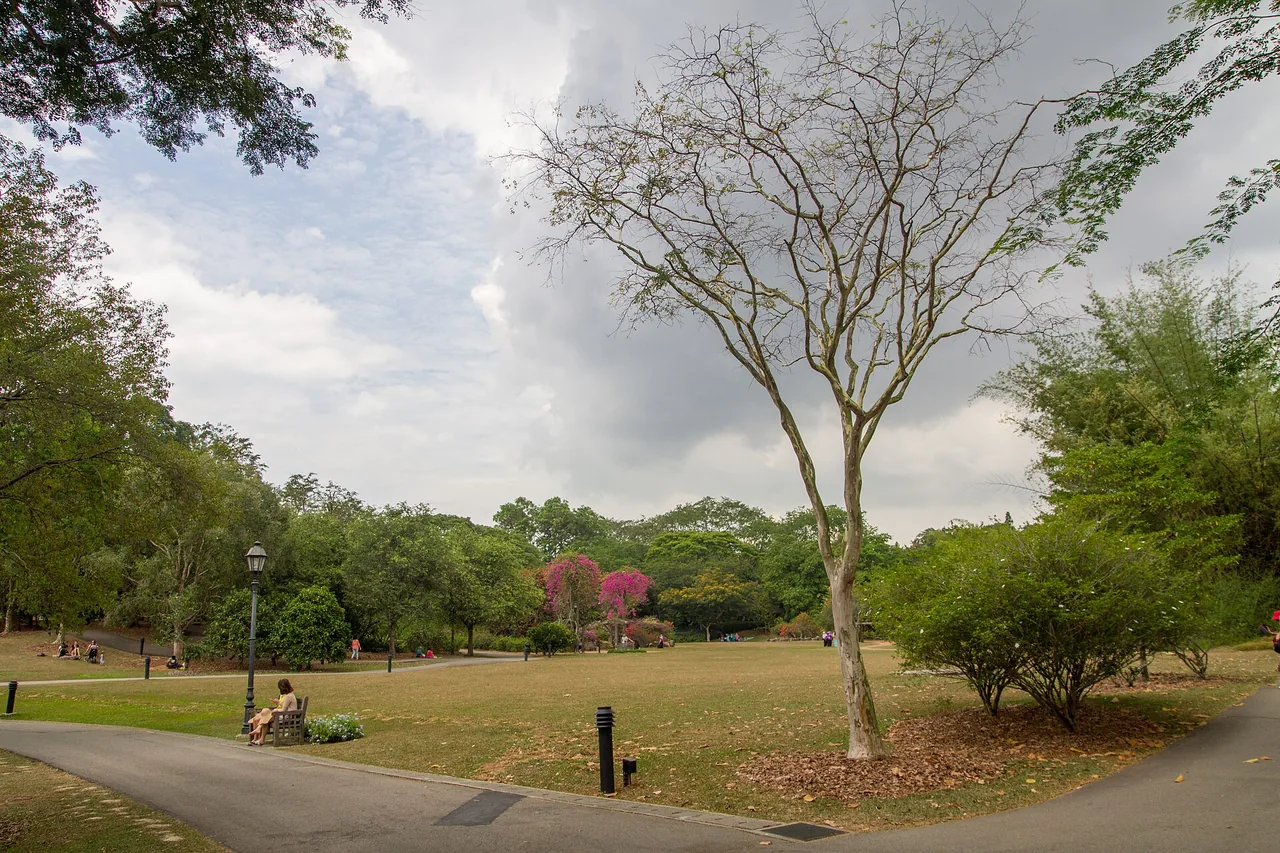
The Singapore Botanic Gardens is the city’s only UNESCO World Heritage Site, it’s free, and the only thing you pay for is the orchids. In one breath: it’s over 160 years old, runs to more than 80 hectares, opens daily from 5am to midnight, and sits just west of Orchard Road around Tanglin. You don’t book, you don’t queue, you just walk in.
Because it’s so big, the smart move is to pick the gate that’s nearest what you came to see. Here’s the quick where-do-I-start verdict.
| If you want… | Enter at | Head for |
|---|---|---|
| The orchids | Tyersall GateMap | National Orchid Garden, Ginger GardenMap |
| The classic core (lakes and gazebo) | Tanglin GateMap | Swan Lake, the Bandstand |
| To arrive by train, plus kids and forest | Bukit Timah Gate (about 30 m from the MRT) | Jacob Ballas Children’s GardenMap, Eco-Lake, the Learning Forest |
| To come straight from Orchard | Nassim GateMap | Botany Centre, café, car park |
One thing to settle right away: this is not Gardens by the Bay. That’s a separate, mostly paid attraction across town, and the two get confused constantly, so we untangle them properly in section 3. For the wider trip, see our complete Singapore travel guide, and to plan your arrival, our Singapore MRT and transport guide.
2. Why it’s a UNESCO World Heritage Site (the rubber story)
It earned UNESCO status in 2015 because this quiet colonial garden is where Southeast Asia’s rubber industry was quietly launched. The Singapore Botanic Gardens was founded in 1859 in Tanglin, and for its first decades it was a typical British colonial pleasure garden and plant nursery. What set it apart was the science that happened here.
The key figure is Henry Ridley, the first scientific director from 1888, nicknamed ‘Mad Ridley’ for his obsession with rubber. The first rubber seedlings had arrived from Kew in 1877, and Ridley perfected the ‘herringbone’ tapping cut, a shallow diagonal slice that draws latex from a living tree without killing it. That technique is still used today. He pressed seedlings on regional planters until the rubber boom took off across the whole region.
So why was a garden, rather than a monument or a temple, named a World Heritage Site? Because UNESCO recognised it as an outstanding example of a British colonial tropical botanic garden and a living landscape that shaped ‘economic botany’ across Southeast Asia. It’s the first tropical botanic garden ever listed, and only the third botanic garden anywhere, after Padua in Italy and Kew in the UK.
It’s free, so even a 30-minute stroll past the giant old rain trees is a walk straight through that history. For where this fits in the wider trip, see our complete Singapore travel guide.
3. Botanic Gardens vs Gardens by the Bay: which should you visit?
They’re two completely different places that tourists mix up, so here’s the difference in a single look. The names sound alike and both have ‘garden’ in them, but one is an old, free, natural UNESCO garden and the other is a new, mostly paid, futuristic attraction across town.
| Singapore Botanic Gardens | Gardens by the Bay | |
|---|---|---|
| Type | Historic, natural garden | Modern, man-made attraction |
| UNESCO | Yes, since 2015 | No |
| Age | Founded 1859 | Opened 2012 |
| Entry | Free; orchids about S$15 | Outdoor areas free; domes paid (about S$53 combined, hedge) |
| Signature | Orchids, rainforest, heritage trees, lakes | Supertree GroveMap, Flower DomeMap, Cloud ForestMap |
| Feel | Outdoor, hot, leafy calm | Air-conditioned domes, futuristic, night light show |
| Location / MRT | Tanglin; Botanic Gardens MRT | Marina Bay; Bayfront MRT |
The verdict: do both if you can. Come to the Botanic Gardens for a free, calm, green morning among orchids and old trees, and go to Gardens by the Bay for a paid, wow-factor evening among the Supertrees and the light show. They scratch entirely different itches.
They’re about 8 to 10 km apart, so don’t try to walk between them. Our transport guide shows the quickest MRT hop, and for everything else worth doing in the city, see our Singapore things to do guide.
4. The National Orchid Garden: the one part worth paying for
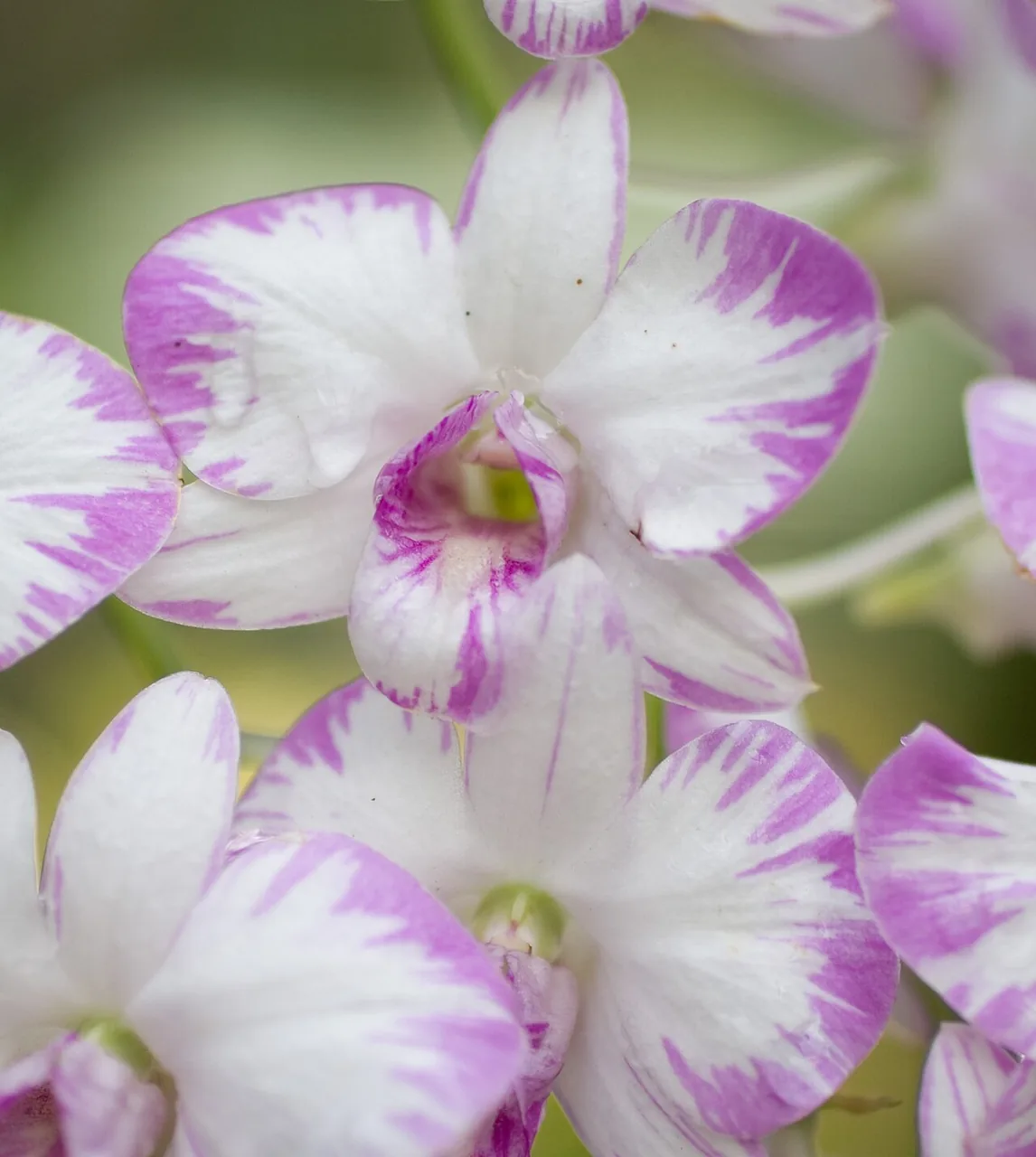
The National Orchid Garden is the Gardens’ only ticketed section, about S$15 for a foreign adult with under-12s free, and it’s genuinely worth it if you like flowers. It sits on the highest hill of the Gardens and holds the world’s largest orchid display, with over 1,000 orchid species and 2,000 hybrids in bloom across the slope. The nearest entrance is the Tyersall Gate, where you’ll find the closest parking and bus stop, about a 15-minute walk from Botanic Gardens MRT.
Two corners stand out. The VIP Orchid Garden is planted with hybrids named after visiting heads of state and celebrities, a quietly fun who’s-who in flower form. The Sembcorp Cool House is a misty, cooled glasshouse recreating a highland cloud forest, full of delicate orchids and ferns, and a blessed place to cool off and escape the heat outside. The orchid garden opened in 1995 and turned 30 in 2025.
Hours are 8:30am to 7pm, with last entry at 6pm. Buying online can save you a little and skips the ticket queue, though you can also pay at the gate.
Go in the morning, before the heat and the crowds, and treat the Cool House as your air-conditioned breather. For timing the whole visit, see our best time to visit Singapore guide.
5. The Rain Forest and Learning Forest: original jungle in the city
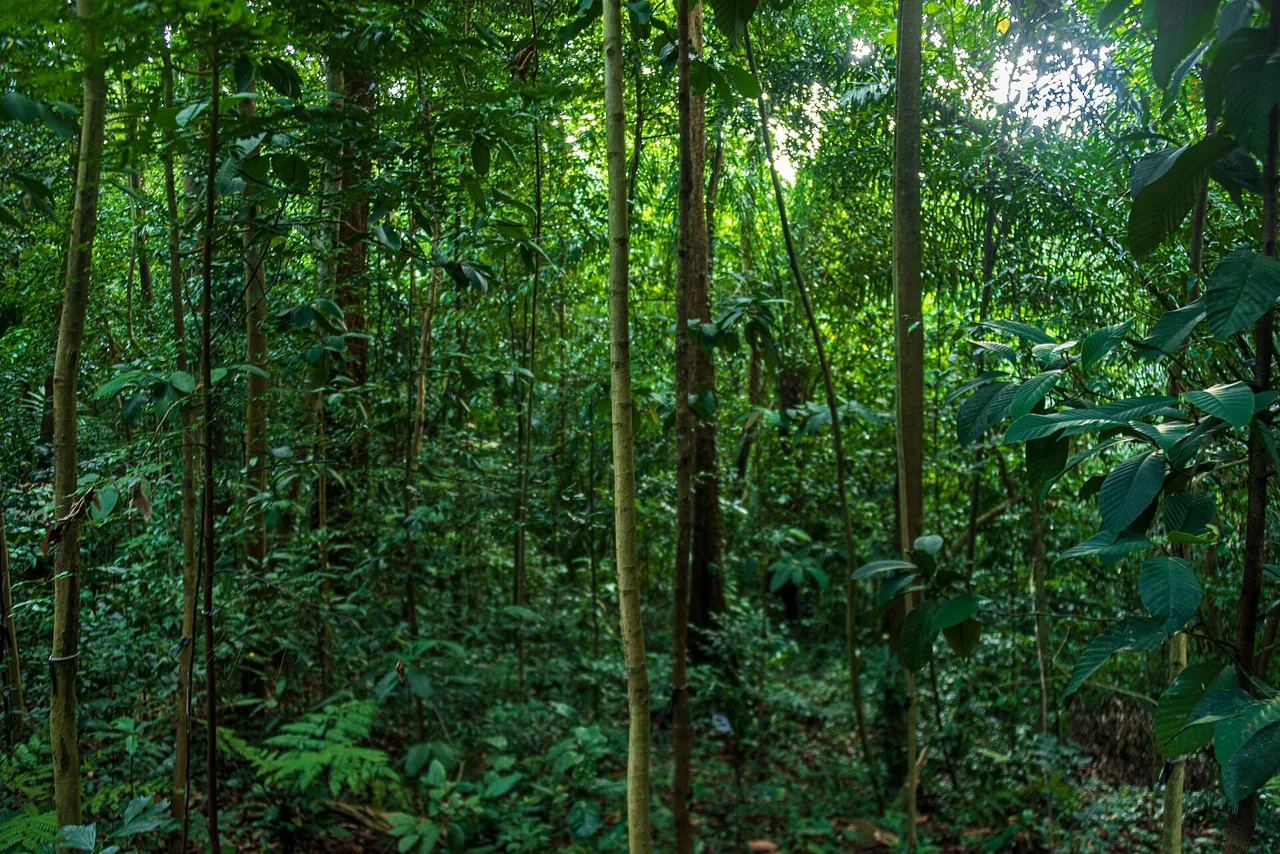
Tucked between the lawns is about 6 hectares of primary rainforest that’s older than the Gardens themselves, one of very few patches of original jungle inside any city on earth. A raised boardwalk loops through it, short, free and shady, and it predates the Gardens’ founding in 1859 by far longer than anyone can date.
This isn’t replanted parkland. It’s a genuine remnant of the forest that once covered the island, with towering trees, tangled ferns and the occasional flash of a bird overhead. Standing under that canopy in the middle of a city of skyscrapers is one of the more surprising things you can do here, and it costs nothing.
On the Tyersall–Gallop side, the newer Learning Forest extends the experience. It adds a wetland and freshwater-swamp boardwalk that lets you walk out over the water, plus a canopy-level walk that lifts you into the treetops for a different view of the same green.
It’s humid and buggy in the rainforest, with no breeze to speak of. Wear mosquito repellent and don’t expect to cool off in here. If you want more outdoor ideas around the city, see our Singapore things to do guide.
6. Swan Lake, the Bandstand and the heritage trees
The classic, free heart of the Gardens is an easy walking loop of lakes, an old gazebo and giant trees, and it’s the best free hour you’ll spend here. This is the postcard Botanic Gardens, all soft green lawns and reflections, and you don’t pay a cent for any of it.
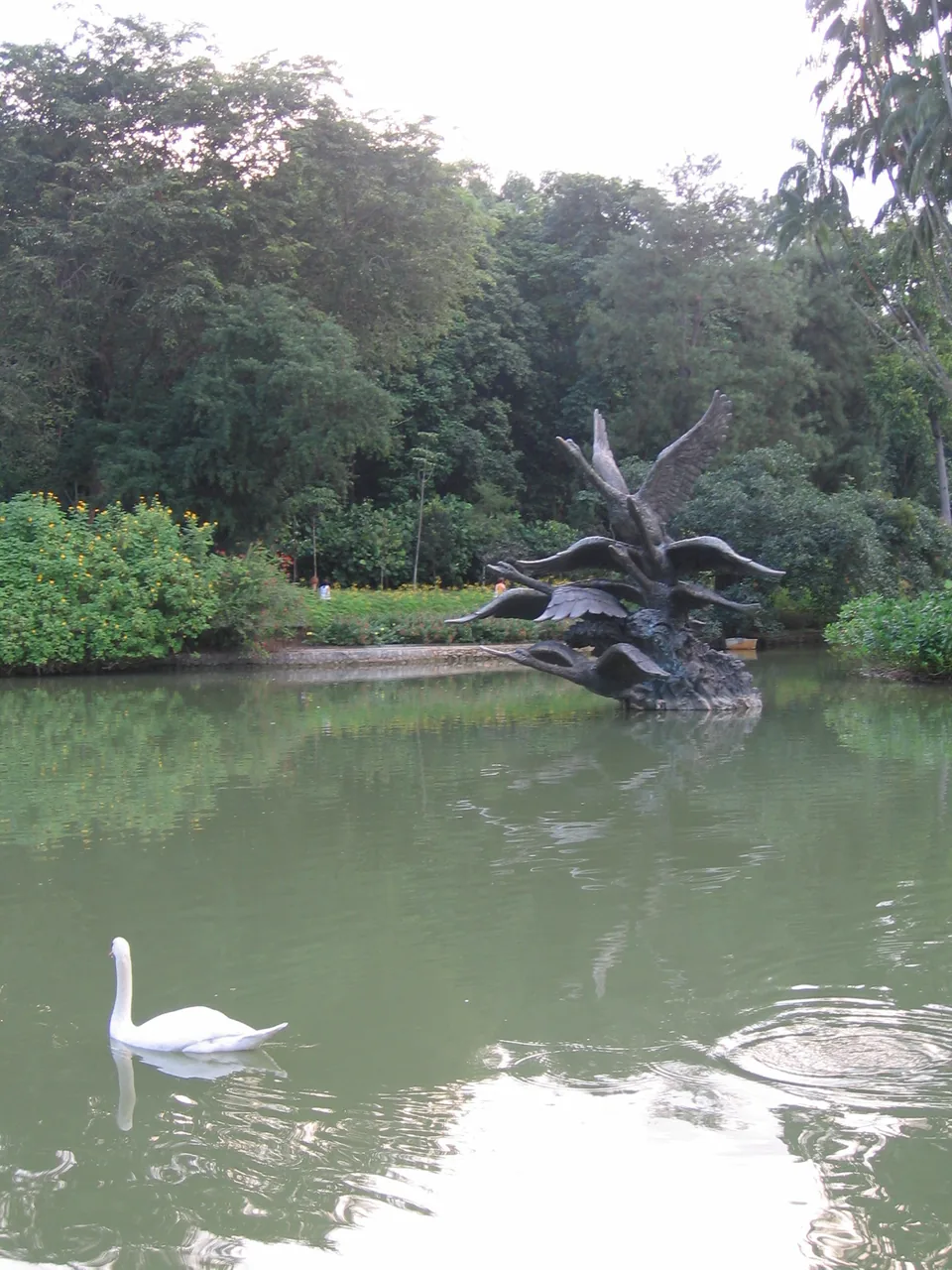
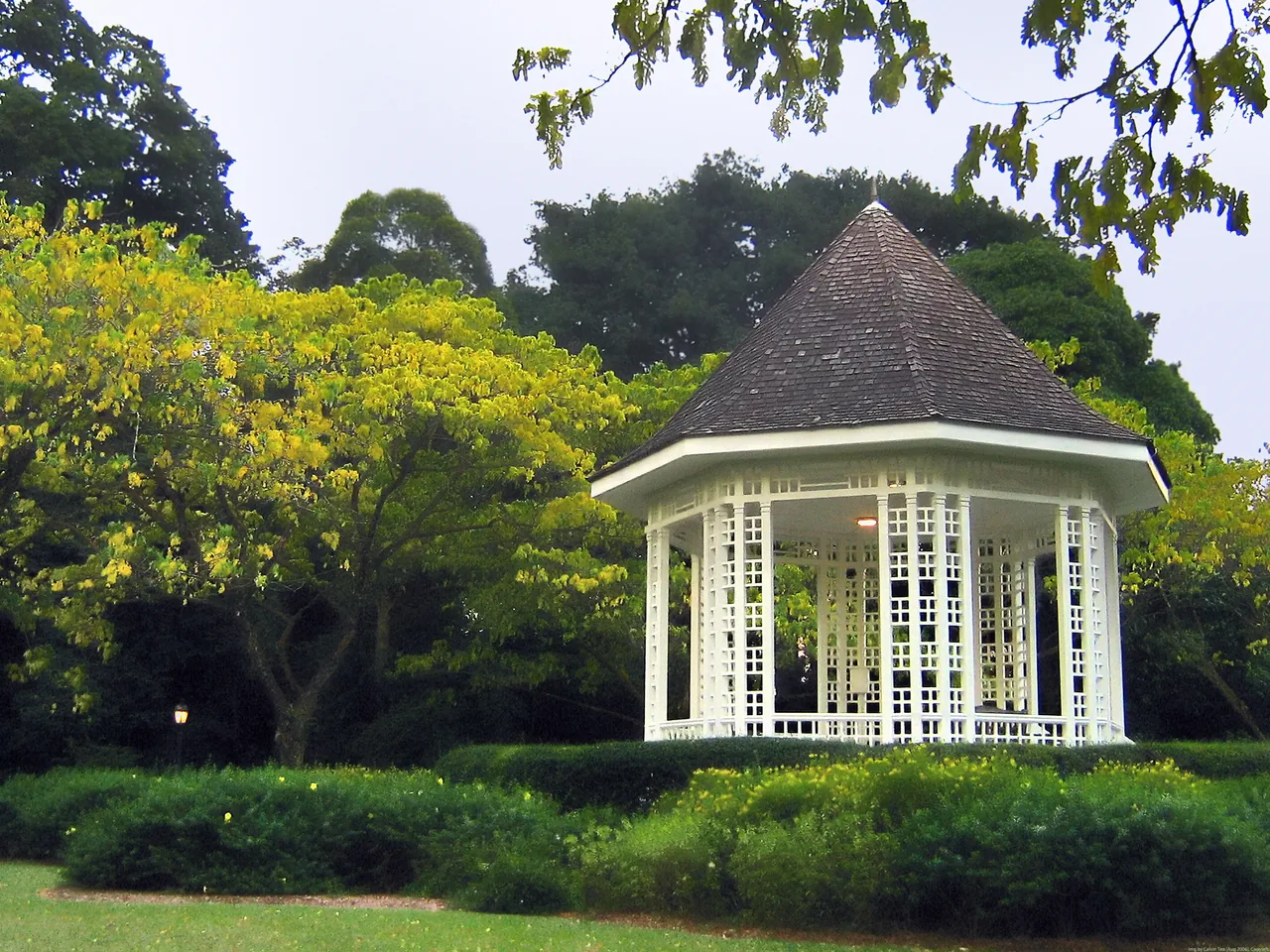
Start at Swan Lake, built in 1866 and the oldest ornamental lake in Singapore, where resident mute swans glide past. Up at the north end, the Eco-Lake has black swans brought from Western Australia, along with otters and turtles if you’re lucky with the timing. Between the lakes stands the Bandstand, a white 1930s gazebo on a small rise ringed by enormous old rain trees, and one of the most photographed spots in the whole place.
Then there are the trees themselves. The Gardens hold around 60 designated heritage trees, including giant Tembusu specimens. The famous big Tembusu near Lawn E is the very tree printed on the back of the Singapore $5 note. Look all you like, but climbing or sitting on it isn’t allowed.
This loop is the best free 60 to 90 minutes in the Gardens, so do it early when the light is soft and the heat hasn’t arrived. For more no-cost ideas, see our Singapore on a budget guide.
7. Free concerts at Symphony Lake
On selected evenings the Gardens host free outdoor concerts on a little island stage, and locals just bring a picnic mat and sit on the grass. The Shaw Foundation Symphony Stage sits on an islet in Symphony LakeMap, so the music drifts across the water to the slope where everyone settles in.
The Singapore Symphony Orchestra and guest acts perform here, usually in the late afternoon or evening, roughly monthly but not on a fixed schedule. It’s one of the loveliest free things to do in the city: a warm evening, a blanket, and live orchestral music under the open sky with the trees behind you.
Because the dates move, don’t build a special trip around one without checking. The official NParks Botanic Gardens calendar is the place to confirm whether a concert is on while you’re in town.
Bring a mat, water and repellent, and arrive early to pick a spot on the slope before it fills. For timing your visit around events and weather, see our best time to visit Singapore guide.
8. Bringing kids: Jacob Ballas Children’s Garden
Families have their own free space here, the Jacob Ballas Children’s Garden, which is the largest children’s garden in Asia. It’s purpose-built for children aged 14 and under, and it’s free, with water play, a treehouse, a small farm and a suspension bridge to keep little ones busy for an hour or two.
A couple of rules worth knowing before you go. Children aged 12 and under must be accompanied by an adult, and adults are only admitted when accompanied by a child, so this isn’t a spot for grown-ups to wander solo. It opens 8am to 7pm with last entry at 6:30pm, and it’s closed on Mondays, though it does open on public holidays. It sits on the north side, nearest the Bukit Timah Gate and Botanic Gardens MRT, so it’s easy to reach straight off the train.
If your kids hit the water-play area, they will get soaked, so pack a change of clothes and a small towel. It’s the kind of place where you plan to stay 30 minutes and end up staying two hours.
Travelling with little ones across the wider trip? Our Singapore with kids guide has more family-friendly stops and practical tips.
9. The quieter corners: Ginger Garden, museum, and more
Beyond the headline sights, a cluster of smaller gardens and a free museum reward a slower wander away from the weekend crowds. These are the corners most day-trippers skip, which is exactly why they’re worth your time.
Right next to the orchids is the Ginger Garden, about a hectare devoted to the ginger family, planted in 2003 and threaded with a little waterfall. Nearby sit the Sundial Garden, the Sun Garden and the Foliage Garden, each a small, themed pocket of planting. They’re quiet, shaded in places, and easy to string together on a gentle stroll.
For the story behind it all, the free SBG Heritage Museum occupies 1920s Holttum Hall by the Tanglin and Botany Centre area, telling the Gardens’ history from colonial nursery to World Heritage Site. The CDL Green Gallery sits right beside it. There are cafés at the Botany Centre and at Tanglin when you need to sit down with a cold drink.
These are where you escape the weekend crowds and feel like you’ve got the place to yourself. For more on the surrounding area, see our Singapore neighbourhoods guide.
10. Getting there: the three gates and the MRT
The easiest arrival is by train to Botanic Gardens MRT, but which gate you pick depends on what you came to see. The station is an interchange on the Circle and Downtown lines (codes CC19 and DT9), and there are three main gates spread around the edge of the Gardens.
| Gate | Nearest transport | Closest to |
|---|---|---|
| Tanglin Gate (south, oldest) | Bus, or a walk/ride from Orchard; no MRT right at it | Swan Lake, the Bandstand |
| Tyersall Gate | Bus, or about a 15 min walk from Botanic Gardens MRT; nearest parking and bus stop for the orchids | National Orchid Garden, Ginger Garden |
| Nassim Gate (central) | About 2 km / a 20 to 25 min walk down Nassim Road from Orchard MRT | Botany Centre, café, car park |
| Bukit Timah Gate (north) | About 30 m from Botanic Gardens MRT (Circle and Downtown lines) | Eco-Lake, Jacob Ballas Children’s Garden, the Learning Forest |
Buses also run along Bukit Timah Road, Holland Road and the Napier/Cluny Road edge. If you’re driving, there’s parking at the Botany Centre, Jacob Ballas and Tyersall, charged by the minute at about S$0.02 a minute on weekdays and S$0.03 on weekends and public holidays.
Arriving by MRT? Use the Bukit Timah Gate and walk south through the Gardens toward the orchids, picking up the lakes and rainforest along the way. Our Singapore MRT and transport guide covers the lines, and our Orchard Road guide helps if you’re coming from the shopping belt via the Nassim Gate.
11. A relaxed half-day route
Here’s an easy half-day that hits the highlights without melting in the heat. The whole idea is to front-load the outdoor walking while it’s still cool, then duck into shade and air-conditioning as the sun climbs.
- Arrive early Come in at the Bukit Timah Gate (straight off the MRT) or the Tanglin Gate, ideally by 8 or 9am while it’s cool.
- The free classic loop Walk Swan Lake, the Bandstand and the heritage trees, taking your photos before the light gets harsh.
- The Rain Forest boardwalk Do the shady rainforest loop next, while the air is still bearable under the canopy.
- The orchids and Cool House Head into the National Orchid Garden and the cool, misty Cool House before the midday heat peaks.
- Coffee or lunch Refuel at the Botany Centre or Tanglin cafés, or walk over to Dempsey HillMap for a leafy sit-down meal.
- Optional extras Add the Jacob Ballas Children’s Garden if you have kids, or the free SBG Heritage Museum if you want the backstory.
If you’d rather have the history and the hidden corners threaded together without planning a route, a guided walk does that for you. Otherwise the Gardens are easy and free to wander on your own.
Pace it, carry water, and treat the Cool House and a café as your air-conditioned breaks. For cheap eats nearby afterward, see our Singapore hawker food guide, and for what else is around, our neighbourhoods guide.
12. Recent milestones: UNESCO 10th, orchids 30th
In 2025 the Gardens marked a milestone year, celebrating 10 years of UNESCO status and 30 years of the National Orchid Garden. There was a third anniversary in the mix too: the Singapore Herbarium turned 150, so the whole year carried a run of special exhibitions and events.
The headline was the Gardens’ first-ever evening light shows, which ran from 19 July to 10 August 2025 at Swan Lake and the Tanglin Gate, set to orchestral music, alongside anniversary exhibitions celebrating the trio of milestones. An evening of orchestral light at the lake was a memorable way to see a side of the Gardens most visitors never catch.
Those celebrations have now wrapped up, but the Gardens always have something on. Check the official NParks Singapore Botanic Gardens calendar for current exhibitions, walks and events while you’re in town.
Don’t travel for a specific event without confirming it first on the official NParks Singapore Botanic Gardens calendar. Dates move. For broader timing, see our best time to visit Singapore guide.
13. Eat and explore nearby: Dempsey, Holland Village, Adam Road
A garden morning pairs naturally with lunch just outside the gates, and you’ve got three good directions to choose from. Each suits a different mood and budget, so pick based on how you want to spend the next couple of hours.
Dempsey Hill is about a 1 km walk from the Tanglin Gate, across Holland Road, and it’s the leafy sit-down option, a cluster of cafés and restaurants in old converted barracks under big trees. Holland VillageMap is one Circle Line stop away, a laid-back café and expat enclave that’s easy to dip into. The halal-friendly Adam Road Food CentreMap sits minutes from Botanic Gardens MRT and is the cheap-and-cheerful hawker pick, with stalls running from breakfast to late supper.
If you’d rather shop than eat, Orchard Road is about 2 km from the Nassim Gate, an easy follow-on for the afternoon.
Adam Road is the cheap-and-cheerful choice; Dempsey is the leafy sit-down one. For more on the food, see our hawker food guide; for the areas themselves, the neighbourhoods guide; and for shopping after, the Orchard Road guide.
14. Practical tips and etiquette
A few simple things make a garden visit smooth in the tropical heat. None of them are complicated, but getting them right is the difference between a lovely morning and a sweaty slog.
- Go early or late Midday is brutal in the open lawns and on the orchid hill, so aim for 7 to 9am or the late afternoon.
- Look for free guided walks NParks runs free guided walks on some weekends; check the official calendar before you count on one.
- Paths are easy Most paths are flat and stroller- and wheelchair-friendly, and there are toilets and cafés through the Gardens.
- Respect the trees and lawns Don’t climb or picnic on the heritage trees or protected lawns; admire the $5-note Tembusu from the ground.
- Pack for the weather Mosquito repellent for the rainforest, and an umbrella for sun or a sudden tropical downpour.
- Dogs on a leash Leashed dogs are allowed in most areas, but not in the National Orchid Garden or the Jacob Ballas Children’s Garden.
The single best tip is timing: a 7 to 9am visit is a different garden, cooler, quieter and far prettier in the soft light. For more on when to come, see our best time to visit Singapore guide.
15. Is it worth it, and who’s it for?
If you want a free, calm, green half-day and you like orchids, old trees and birdsong, then yes, it’s one of the best free things to do in Singapore. It’s easy to reach, costs nothing to enter, and you can see the best of it in 2 to 3 hours, which is remarkable in a city where so much carries a ticket price.
Honestly, though, it isn’t for everyone. Travellers chasing only big-ticket thrills may find it too gentle. Anyone short on time who’d rather spend it at Gardens by the Bay or out on Sentosa might reasonably skip it. And if you can’t handle the midday heat without planning around it, this is a visit to do early or not at all.
But the value is hard to argue with. A UNESCO World Heritage Site, free, in the middle of a major city, that you can wander at your own pace. For most travellers, a morning here is time well spent.
Weighing it against everything else? Our Singapore things to do guide lays out the full menu so you can balance the free, calm options against the paid, high-energy ones.
16. Plan the rest of your Singapore trip
Fold the Gardens into a wider plan and you’ve got a relaxed, low-cost half-day among Singapore’s pricier attractions. It’s the kind of stop that gives your itinerary room to breathe between the big-ticket sights.
From here, connect outward. See Gardens by the Bay for the futuristic counterpart, and our Orchard Road guide for shopping next door. Time your visit with the best time to visit guide, and if you’re travelling as a family, the Singapore with kids guide. Sort your arrival with the MRT and transport guide, keep costs down with the Singapore on a budget guide, and find cheap eats nearby in the hawker food guide.
For everything else worth doing, our things to do guide has the full list, and the neighbourhoods guide maps out the areas. Tie it all together with our complete Singapore travel guide. A free UNESCO garden in the middle of the city is the kind of value that’s genuinely rare, so don’t let the confusion with Gardens by the Bay talk you out of it.
🎡Things to Do52
🍜Food6
🏨Where to Stay10
🚇Getting Around4
🧭Travel Tips20
Frequently asked questions
Yes. The whole Gardens is free and open daily from 5am to midnight. The only part with a ticket is the National Orchid Garden, about S$15 for a foreign adult and free for children under 12. Everything else, the rainforest, Swan Lake, the Bandstand, the heritage trees and the children’s garden, costs nothing to enter. You can simply walk in through any of the three gates.
No, they’re two different places about 8 to 10 km apart, and tourists mix them up constantly. The Botanic Gardens is the free, historic UNESCO garden near Tanglin, full of orchids, rainforest and old trees. Gardens by the Bay is the modern, mostly paid attraction at Marina Bay with the Supertrees and the climate-controlled domes. Many people visit both; just don’t expect one when you arrive at the other.
About S$15 for a foreign adult, around S$3 for foreign seniors and students, and free for children under 12. Locals pay less with ID (roughly S$5 for an adult). It’s open 8:30am to 7pm with last entry at 6pm. Booking online can save a little and lets you skip the ticket queue, but you can also just pay at the gate.
About 2 to 3 hours for the highlights, or half a day to wander widely. A typical loop covers the orchid garden, Swan Lake, the Bandstand and the rainforest boardwalk. The Gardens run to over 80 hectares, so most people pick a section rather than trying to see all of it. Plan your route around one gate and you won’t feel rushed.
Botanic Gardens MRT, on the Circle and Downtown lines. The Bukit Timah Gate is about 30 metres from the station, which makes it the easiest arrival by train. If your priority is the orchids, note the National Orchid Garden is nearest the Tyersall Gate, while Swan Lake sits near the Tanglin Gate, so you’ll have a pleasant walk down through the Gardens to reach them.
It was inscribed in 2015 as an outstanding British colonial tropical botanic garden and for its role spreading the rubber industry across Southeast Asia. It’s Singapore’s first and only UNESCO site, the first tropical botanic garden ever listed, and only the third botanic garden anywhere to make the list, after Padua and Kew. The recognition is for the living landscape and its history, not a single building.
Early morning, around 7 to 9am, is coolest and prettiest, with birdsong, joggers and soft light. Late afternoon, roughly 4 to 6pm, also works well. Weekdays are quieter; weekends bring the free concerts and more families. The drier months are roughly February to April. Whenever you come, the midday heat is the thing to plan around.
There are orchids dotted around the free areas, but the big display lives inside the ticketed National Orchid Garden. That’s where you’ll find over 1,000 orchid species and 2,000 hybrids, the VIP Orchid Garden and the cool, misty Sembcorp Cool House. If you like flowers at all, the roughly S$15 is well spent. If orchids aren’t your thing, the free parts of the Gardens are plenty on their own.
Yes. The free Jacob Ballas Children’s Garden is the largest children’s garden in Asia. It has water play, a treehouse, a small farm and a suspension bridge, all built for children aged 14 and under. Children 12 and under must be accompanied by an adult, adults are only admitted with a child, and it’s closed on Mondays (though open on public holidays). It sits near the Bukit Timah Gate, so it’s easy to reach straight off the MRT.
Yes, on selected evenings the Shaw Foundation Symphony Stage hosts free outdoor concerts. The stage sits on a little island in Symphony Lake, and locals bring a picnic mat and sit on the grass. The Singapore Symphony Orchestra and guest acts play, usually late afternoon or evening, roughly monthly but not on a fixed schedule. Check the official NParks Botanic Gardens calendar before you count on one.
Water, a hat, sunscreen, comfortable shoes for 3 to 5 km of walking, mosquito repellent and an umbrella for sun or sudden rain. The rainforest and orchid hill have little shade and it’s humid, so the early or late hours are kinder. There are cafés and toilets through the Gardens, and most paths are flat and stroller- and wheelchair-friendly, so you don’t need to pack heavy.
Dempsey Hill, about a 1 km walk from the Tanglin Gate, has cafés and restaurants; Holland Village is one Circle Line stop away; and the halal-friendly Adam Road Food Centre is minutes from Botanic Gardens MRT. Orchard Road, about 2 km from the Nassim Gate, is the shopping option afterward. A garden morning pairs naturally with lunch just outside the gates.