
Where to Stay in Singapore: Best Areas by Neighborhood
First trip, family, budget or luxury — we compare Marina Bay, Chinatown, Bugis and 7 more neighborhoods by vibe, price and who they suit, so you can decide in five minutes.
| Safest first-timer base | Chinatown & Tanjong Pagar. Great value, world-class hawker food and superb MRT links make it hard to get wrong on a first visit. |
|---|---|
| The iconic ‘wow’ | Marina Bay. Come here for the skyline and the infinity pool if the budget allows — but expect the island’s highest rates. |
| Best value & trendiest | Bugis & Kampong Glam. From characterful boutiques to sharp capsule pods, central and easy on the wallet. |
| Cheapest beds | Little India. Decent rooms from around S$40–70 a night — though the buzz and crowds are a love-it-or-leave-it thing. |
| Family & shopping / resort & beach | Orchard Road (big rooms, malls at the door) / Sentosa (Universal Studios, beaches, resorts). |
| The one principle | The island is small and the MRT reaches nearly everywhere, so any central, near-a-station base puts the sights 20–40 minutes away. Choose your neighborhood on vibe and budget, not transport. |
| Best for a first visit | Chinatown & Tanjong Pagar (value, food and transfers all-rounder) |
|---|---|
| Iconic & luxury / best value | Marina Bay / Bugis & Kampong Glam |
| Cheapest / family & shopping | Little India / Orchard Road |
| Resort, beach & theme parks | Sentosa (a separate island, ideal for families) |
| Nightly price bands (rough) | Hostel & capsule S$30–70 · mid-range S$120–250 · luxury S$350–600+ |
| Taxes | GST 9% + 10% service are usually added on top of the listed rate (‘++’). Always check the total |
| When to book | Early and midweek win. Rates spike and sell out around the F1 race (Oct), Chinese New Year and year-end |
| Airbnb warning | Short lets under 3 months in private homes are illegal (URA/MND). Book only licensed hotels or serviced residences |
1. Pick the neighborhood and you’re halfway there
2. Singapore neighborhoods compared at a glance
3. Singapore hotel prices by neighborhood
4. Marina Bay: the iconic ‘wow’ and luxury
5. Chinatown & Tanjong Pagar: the all-rounder for a first visit
6. Bugis & Kampong Glam: trendy and easy on the wallet
7. Orchard Road: shopping and family trips
8. Civic District & City Hall: the most central center
9. Little India: cheapest and most colorful
10. Sentosa: beaches, theme parks and resorts
11. Katong & Joo Chiat: Peranakan character and local life
12. Clarke Quay & Riverside: a trip built around the night
13. Near the airport (Changi & Jewel): layovers and red-eye flights
14. Where not to stay, and where to think twice
15. The split-stay: the pro move for Singapore
16. Booking mechanics: when, where and what to check
17. Best area for each type of traveler
Choosing where to stay in Singapore is easier than in most big cities. The island is compact and the MRT connects almost everywhere, so any central hotel near a station usually puts the major sights within 20–40 minutes. That means the real decision isn’t transport — it’s what vibe you want, at what price, and who you’re traveling with. This guide lines up all 10 major neighborhoods side by side on exactly those terms, and wherever one pulls at you, it links straight down to that area’s detailed hotel guide. Plan the rest of the trip alongside our complete Singapore travel guide.
1. Pick the neighborhood and you’re halfway there
Ninety percent of a good Singapore stay comes down to which neighborhood you pick, not which hotel brand. The character of the area shapes your trip far more than a star rating does. The good news is that it’s hard to get badly wrong: the whole island is roughly the size of a mid-sized city, and the MRT is dense enough that any central base keeps you mobile.
So you only need to settle three things: your budget, the vibe you want, and who you’re traveling with. Use those three axes to shortlist, then pick your finalist from the comparison table below. Want to go deeper on one area? Follow the detailed guide link at the end of its section.
2. Singapore neighborhoods compared at a glance
Start with the big picture. Narrow the list to two or three areas that fit your style, then read those sections in full.
| Neighborhood | Best for | Vibe & price band | Deep dive |
|---|---|---|---|
| Marina Bay | Icon-seekers, luxury, infinity pools | Futuristic skyline · highest | Marina Bay hotels |
| Chinatown & Tanjong Pagar | First-timers, food, value | Shophouses + hip bars + temples · mid | Chinatown hotels |
| Bugis & Kampong Glam | Trendy, value, younger travelers | Arab Street & Haji Lane · low–mid | Bugis & Kampong Glam hotels |
| Orchard Road | Shopping, families | 2.2km mall belt · mid–high | Orchard hotels |
| Civic District & City Hall | Dead-central, museums, transfers | Civic & cultural quarter · mid–high | nearby sights |
| Little India | Lowest budgets, food, color | Buzzy and crowded · cheapest | Little India guide |
| Sentosa | Families, resorts, beaches | Theme-park resort island · mid–highest | Sentosa guide |
| Katong & Joo Chiat | Peranakan character, local, quiet | Pastel shophouses · mid | Katong guide |
| Clarke Quay & Riverside | Nightlife | Riverside clubs & bars · mid–high | riverside & night views |
| Airport (Changi & Jewel) | Layovers, late arrivals, early flights | Beside the airport · mid | Changi & Jewel guide |
Spotted a couple that catch your eye? Let’s get your price expectations calibrated first.
3. Singapore hotel prices by neighborhood
Singapore is one of the pricier places to sleep in Southeast Asia. Genuinely cheap rooms are rare, but the spread by area and tier is wide. The bands below are rough nightly rates for a midweek stay in the low season; expect them to double or triple around F1, Chinese New Year and year-end.
| Neighborhood | Hostel / capsule / budget | Mid-range | Luxury |
|---|---|---|---|
| Marina Bay | — | S$300–450 | S$450–900+ |
| Chinatown & Tanjong Pagar | S$40–80 | S$150–260 | S$300–450 |
| Bugis & Kampong Glam | S$35–75 | S$130–230 | S$280–400 |
| Orchard Road | S$60–90 | S$180–320 | S$350–600 |
| Little India | S$35–65 | S$110–200 | — |
| Sentosa | — | S$250–400 | S$450–1,000+ |
4. Marina Bay: the iconic ‘wow’ and luxury
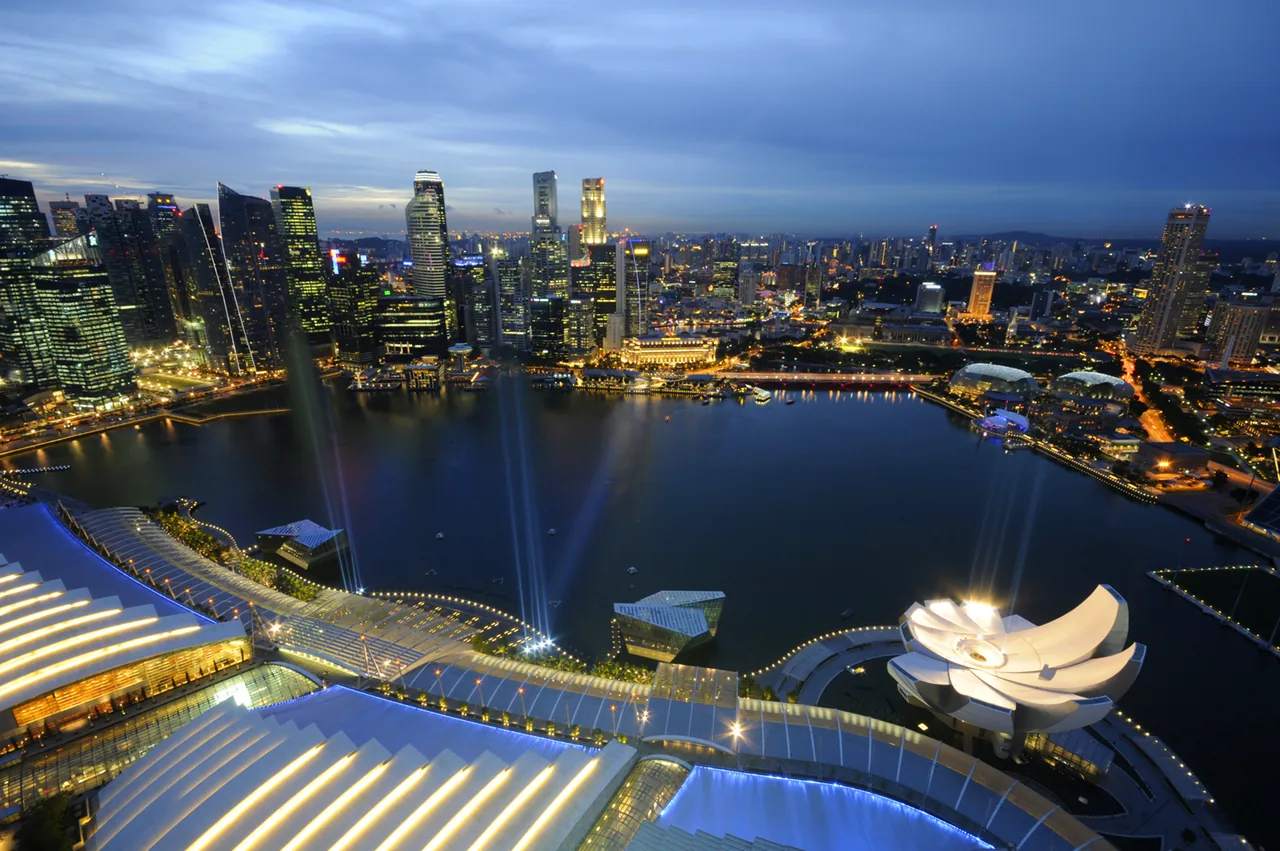
If you’re splurging on one memorable base, make it Marina Bay. The futuristic skyline, the Supertrees and Gardens by the Bay right outside, and the free nightly light show are all framed by your window. This is where people come for that single photo of themselves looking out over the city from an infinity pool.
In return, rates are the highest on the island, and at night this is a tourism-and-business district that can feel a touch quiet. If you want hawker food and local texture at every meal, it may disappoint. Bayfront, Marina Bay and Downtown stations wrap the area, so transport is first-rate.
For routes and the best night-view spots, see our Marina Bay night-view guide; for hotel-by-hotel rates and infinity-pool access rules, the detailed guide below has it all.
→ Where to stay in Marina Bay: the hotel breakdown
5. Chinatown & Tanjong Pagar: the all-rounder for a first visit
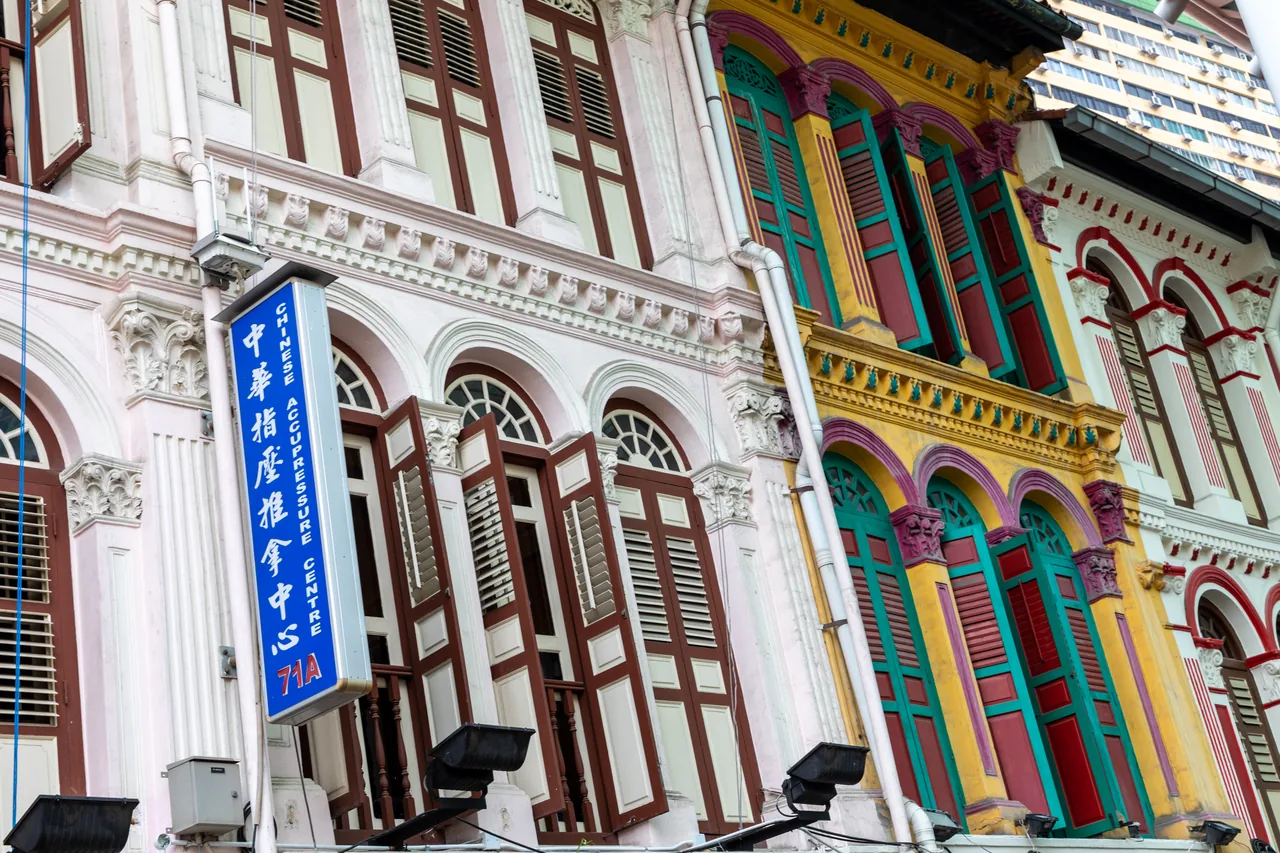
If you can’t decide, choose Chinatown. It’s the base least likely to disappoint a first-timer. Painted shophouses and temples, some of the city’s best hawker centers (Maxwell Food Centre, Chinatown Complex), and the hip bars of Keong Saik and Ann Siang Hill all sit in one neighborhood.
Running through Tanjong Pagar and Outram Park, this stretch also has some of the best transfers on the island. Mid-range boutiques are especially plentiful, so you get value and atmosphere together, with only weekend evenings getting busy.
Our Singapore hawker food guide and Chinatown neighborhood guide go deep on the eating and the sights. For the hands-on hotel comparison, read on.
→ Where to stay in Chinatown: the hotel breakdown
6. Bugis & Kampong Glam: trendy and easy on the wallet
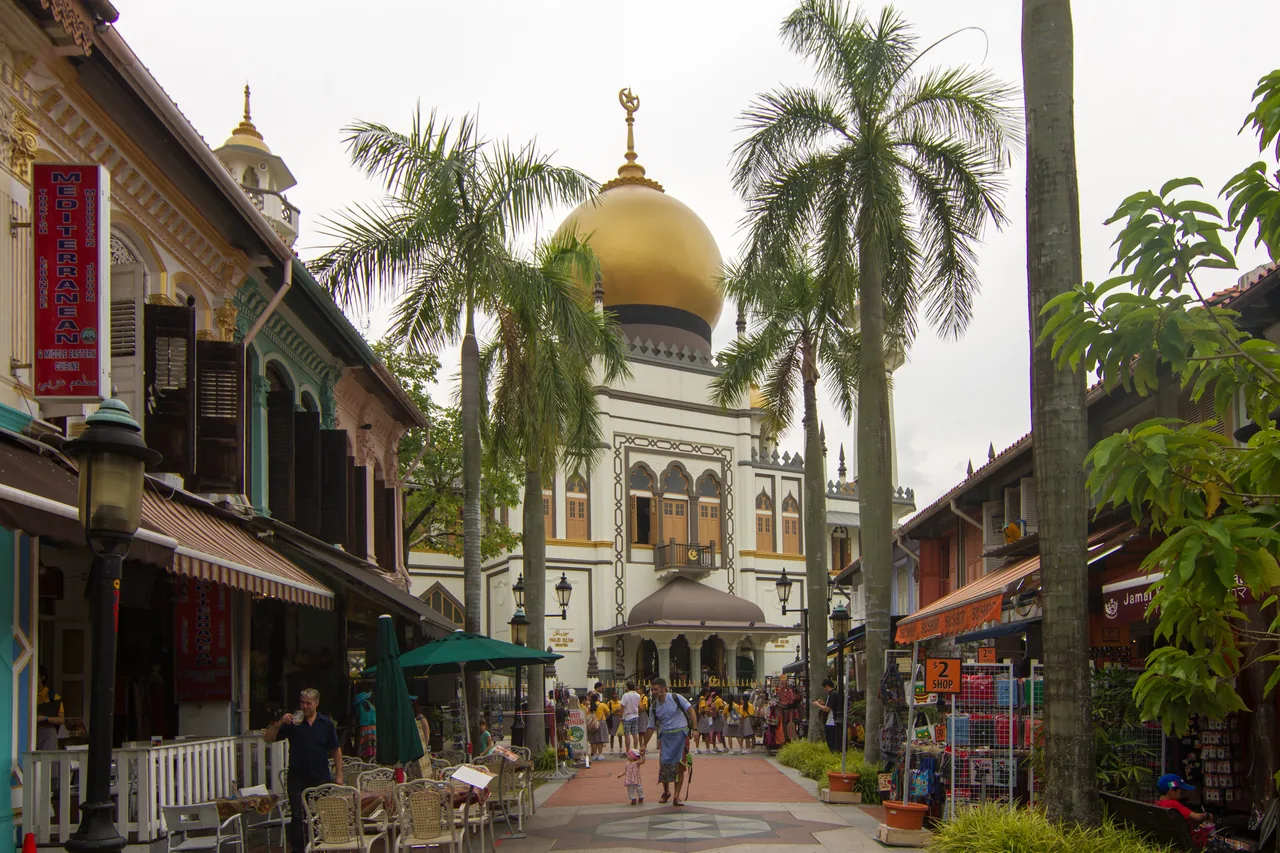
Want value and character in the same booking? This is about as close as it gets. With the golden dome of the Sultan Mosque, the murals and boutiques of Haji Lane, and the perfume and textile shops of Arab Street, Kampong Glam is one of the most photogenic neighborhoods in Singapore.
Bugis, right next door, is young and practical. Choice runs from characterful boutiques to spotless capsules and hostels, and for the same money you’ll land a better room closer to the center. Bugis station sits in the middle, so getting around is easy.
The sights and food are covered in our Kampong Glam guide; make the hotel call with the detailed comparison below.
→ Where to stay in Bugis & Kampong Glam: the hotel breakdown
7. Orchard Road: shopping and family trips
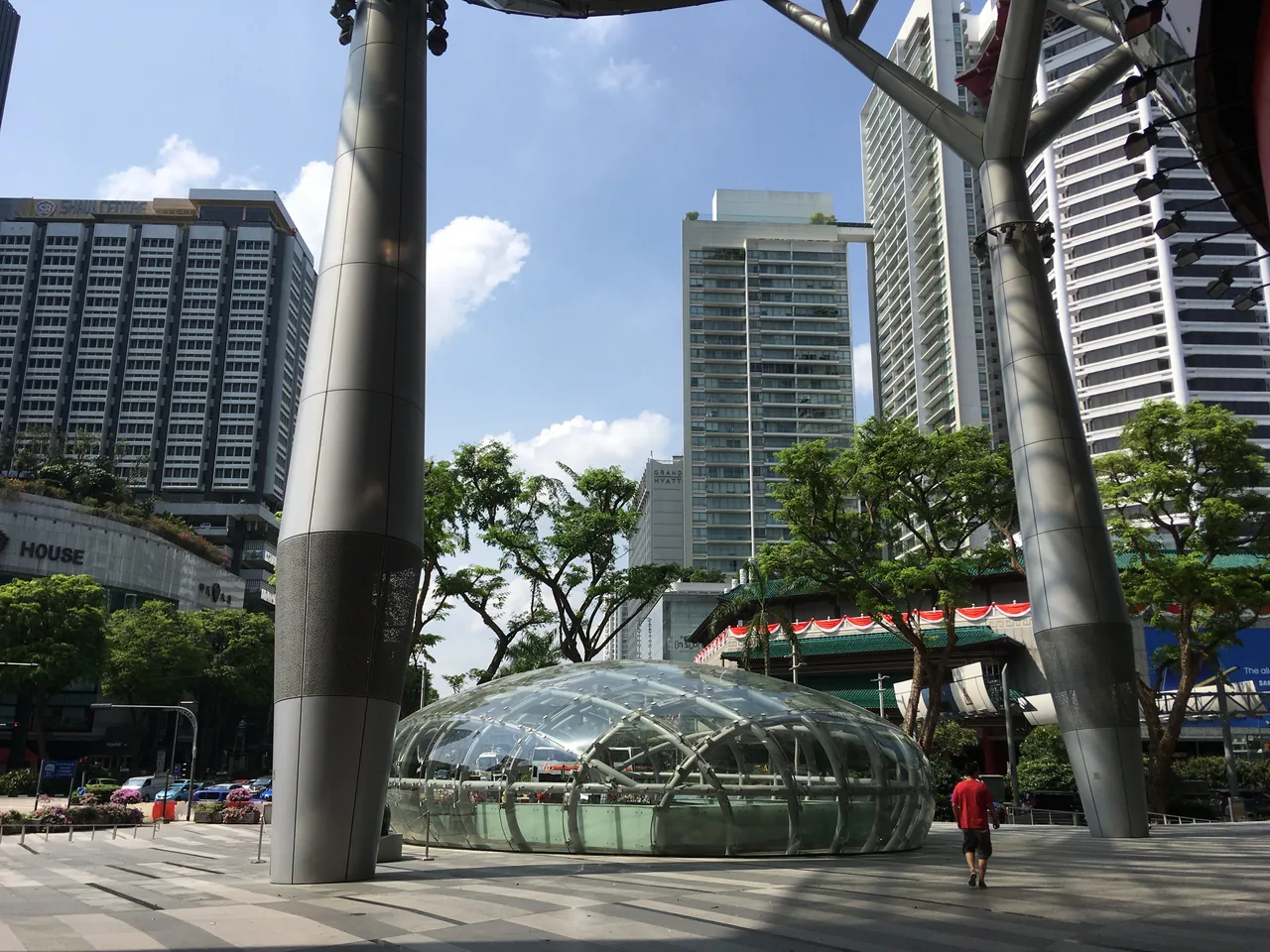
If shopping is the point, or you’re traveling with kids, Orchard is the comfortable pick. Big hotels sit right on a 2.2km belt of malls (ION, Ngee Ann City, Paragon, Takashimaya), so rooms are roomy, family amenities are good, and you can stay indoors even when it rains.
The trade-off is that the sights and hawker food need a short hop. Orchard, Somerset and Dhoby Ghaut stations are close together, so transport is strong; Tanglin to the west is quiet and upscale, while Somerset to the east is relatively better value.
For what to do on and around the strip, see our Orchard Road guide; the hotel breakdown is below.
→ Where to stay on Orchard Road: the hotel breakdown
8. Civic District & City Hall: the most central center
If you want to sleep dead-center, City Hall is the answer. Bras Basah and the Civic District gather the National Museum, art galleries and grand old buildings into one cultural quarter, and City Hall station is an interchange where two lines (EW and NS) cross — so anywhere on the island is quick.
With Marina Bay and Chinatown a walk or a stop or two away, it’s especially efficient for itineraries that hop between areas. The neighborhood’s own personality is a little faint, but the location earns its keep. Rather than a separate deep-dive, weigh Chinatown and Marina Bay hotels together when you shop this area.
9. Little India: cheapest and most colorful
If budget comes first, it’s Little India. Decent value rooms start around S$40–70 a night, and the color and scent of the 24-hour Mustafa Centre, banana-leaf South Indian meals and flower-garland stalls exist nowhere else on the island.
It is, however, always busy and full of energy. That vibrancy is the draw for some and exhausting for others, so gauge your own taste first. Little India and Farrer Park stations keep transport easy. Our Little India guide lays out what to see and eat.
10. Sentosa: beaches, theme parks and resorts
If your trip revolves around Universal Studios, beaches and resorts, staying on Sentosa makes sense. On this island set apart from the mainland you can string together an immersive break — theme park in the morning, beach in the afternoon, resort pool in the evening. It’s especially ideal for families.
The flip side is that it’s inefficient for city sightseeing, and prices on the island run higher. The Sentosa Express and cable car connect you to the mainland, but for an itinerary that works the city hard, a mainland base like Chinatown or Marina Bay is usually easier. Plan the whole island with our Sentosa guide.
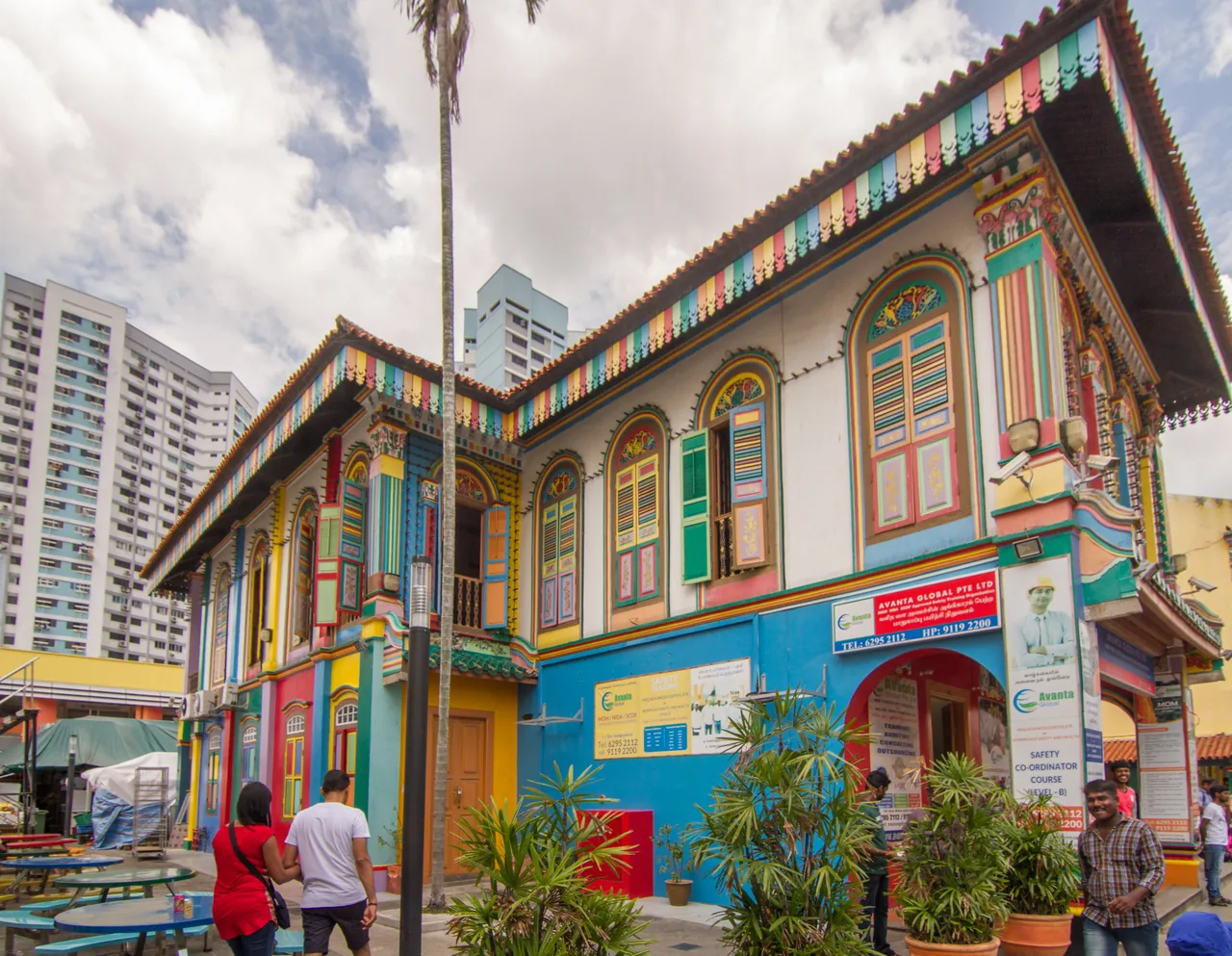
11. Katong & Joo Chiat: Peranakan character and local life
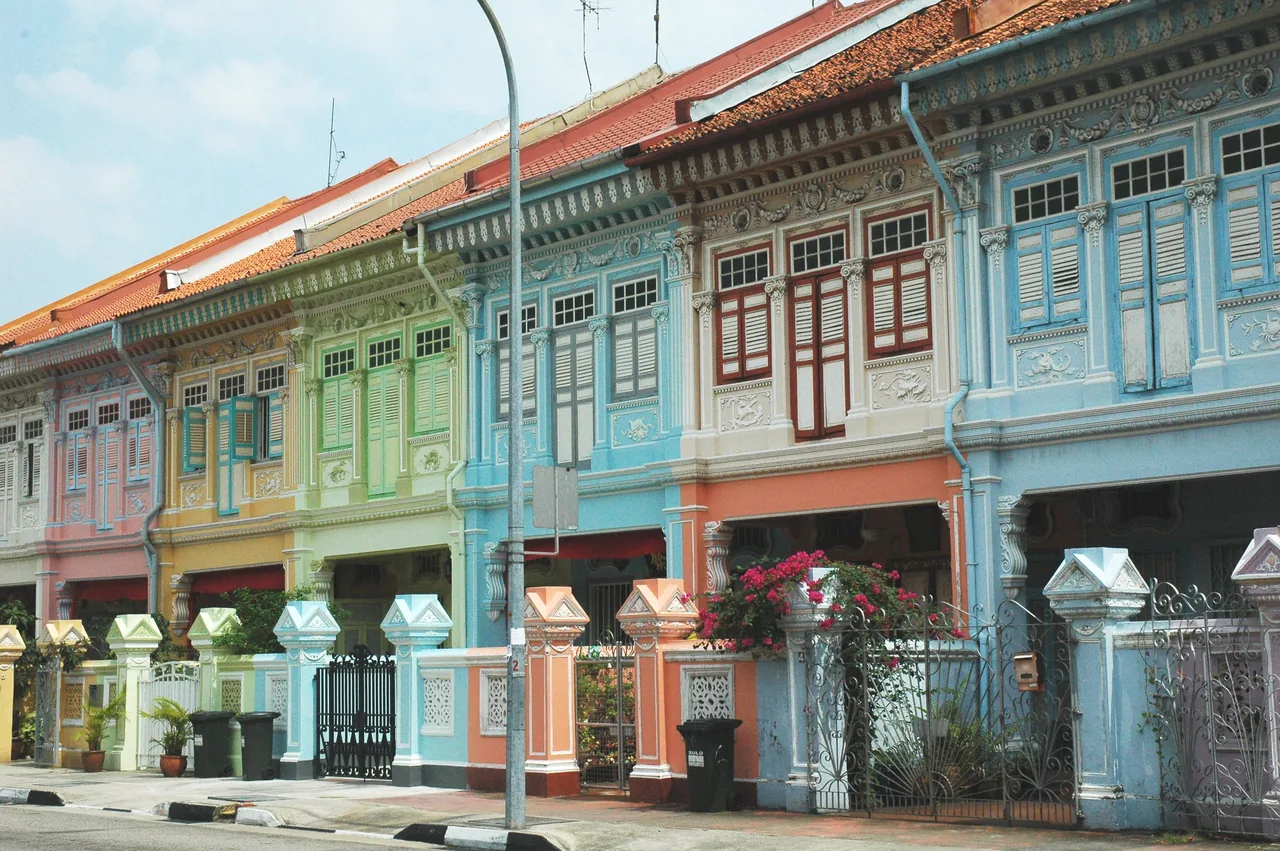
On a repeat visit, or if you want to sleep ‘like a local’, look at Katong and Joo Chiat. The pastel Peranakan shophouses of Koon Seng Road, a rich bowl of Katong laksa and quiet side lanes show you a Singapore beyond the tourist trail. It leans boutique, so it’s calm and full of character.
MRT access here used to be weaker than the central neighborhoods, but the Thomson–East Coast Line (TEL) has improved it considerably. It suits an unhurried, food-and-strolling kind of stay. For the area in detail, see our Katong & Joo Chiat guide.
12. Clarke Quay & Riverside: a trip built around the night
If nightlife is the axis of your trip, sleep by the river. Along the Singapore River from Clarke Quay to Boat Quay and Robertson Quay, restored warehouses pack in clubs, bars and riverside restaurants — so you can walk out into the night and walk back in.
Clarke Quay and Fort Canning stations are here, and Chinatown and the Civic District are close. Weekend nights can get noisy, though, so if you want quiet sleep, pick a block set back from the river. For a full night-out itinerary, see our Marina Bay & riverside night-view guide.
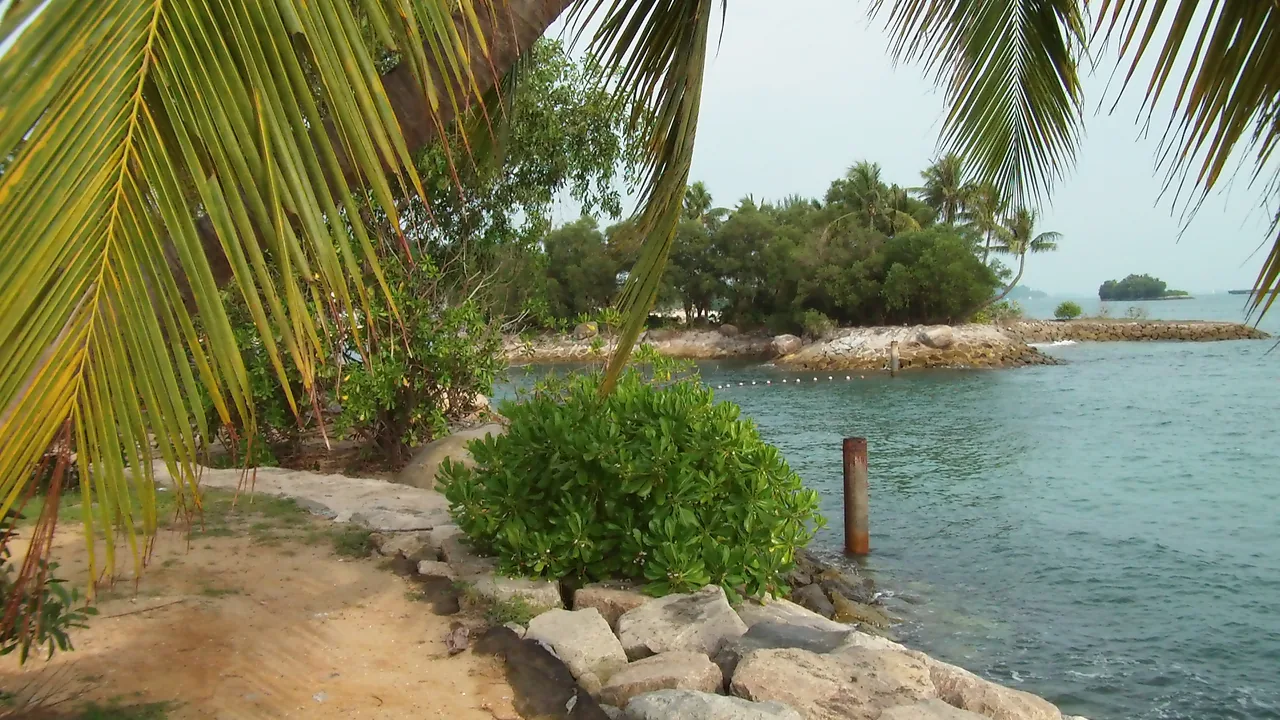
13. Near the airport (Changi & Jewel): layovers and red-eye flights
Staying near the airport makes sense in exactly three situations: a late-night arrival, an early-morning departure and a short layover. Changi Airport and Jewel (with its Rain Vortex) are attractions in their own right, so an awkward transit window can be a sensible reason to sleep nearby for a night.
As a sightseeing base, though, we don’t recommend it. It’s at the eastern edge, so commuting into town every day burns time. For getting between the airport and the city, and for tackling Jewel, see our Changi & Jewel guide and MRT & transport guide.
14. Where not to stay, and where to think twice
An honest word. The places below can look cheap in search results but deserve care as a travel base.
- Geylang — famous for its prawn mee and late-night supper spots, but parts of it are a red-light district. It surfaces often in searches because it’s cheap, yet we wouldn’t suggest it for families or a first visit.
- Outer residential and western industrial areas — rates are low, but commuting to the sights every day costs you more in time and fares than you save. A central, near-a-station base wins out in the end.
15. The split-stay: the pro move for Singapore
The most satisfying approach is not to insist on a single neighborhood. On three nights or more, split your stay across two areas with different personalities and take the best of each. There’s no rule that says you must choose between Marina Bay’s ‘wow’ and Chinatown’s value and character.
For a four-night trip, for example, you might do this.
- Nights 1–2: Marina Bay. Front-load the highlights right after you land — the infinity pool, the Supertree light show, the skyline.
- Nights 3–4: Chinatown or Kampong Glam. Move to a better-value room and spend the rest of the trip on hawker meals and local wandering.
16. Booking mechanics: when, where and what to check
Once you’ve settled on an area, the last step is booking. Remember three things.
When
Early, and midweek if you can. Genuinely cheap rooms are scarce in Singapore, so the best-value ones sell out first. Rates jump two- to threefold around the F1 night race (October), Chinese New Year and the year-end holidays, so check the season (best time to visit guide) and lock those dates in as early as possible.
What to check
- The total (tax-inclusive) — whether GST 9% + 10% service applies. The advertised price and the amount you pay can differ.
- Cancellation policy — if plans are fluid, prioritize a ‘free cancellation’ rate.
- Actual walking distance to the MRT — verify it on a map. Don’t take ‘near the station’ at face value.
- Recent rebrands — Singapore hotels change names and rebrand often. Search the old name too and check the latest reviews so you’re not misled.
Neighborhood chosen? Compare live rates for your actual dates below.
17. Best area for each type of traveler
Finally, a one-line pick for each style.
| If your trip is… | Top pick | Alternative |
|---|---|---|
| First Singapore, keep it easy | Chinatown & Tanjong Pagar | Bugis · Civic District |
| On a tight budget | Little India | Bugis & Kampong Glam hostels |
| Iconic, luxury, a special occasion | Marina Bay | Orchard 5-star |
| With kids and family | Orchard Road | Sentosa · Marina Bay |
| Couples & nightlife | Clarke Quay & Riverside | Marina Bay · Kampong Glam |
| Food-led | Chinatown | Kampong Glam · Katong |
| Resort & beach break | Sentosa | Marina Bay |
| Layover or short stay | Civic District · Chinatown | Airport (Changi & Jewel) |
Which area is winning you over? Head to that neighborhood’s detailed hotel guide for rates and pros and cons, then finish the rest of your plan with our complete Singapore travel guide.
🎡Things to Do53
🍜Food6
🏨Where to Stay9
🚇Getting Around4
🧭Travel Tips20
Frequently asked questions
Finish the rest of your itinerary with our complete Singapore travel guide →