
Singapore in 3 Days: A First-Timer’s Day-by-Day Route (+ a 4th Day)
A day-by-day route for first-timers: Marina Bay, Sentosa and the old neighbourhoods in 3 days, plus what to book, how to get around, what it costs, and how to add a 4th day.
| Is 3 days enough | Yes; cluster by area: Day 1 Marina Bay, Day 2 SentosaMap, Day 3 the old neighbourhoods plus Orchard |
|---|---|
| Day 4 (extend) | Mandai Zoo and the Night SafariMap, the Botanic Gardens plus Dempsey, or a day trip |
| Getting around | Tap a contactless card or phone on the MRT (foreign cards add about S$0.60/day), or a Singapore Tourist Pass (1-day S$17, 3-day S$29, about S$9.70/day) |
| Book ahead | Universal StudiosMap, the Gardens by the BayMap domes, the Night Safari, any multi-attraction pass |
| Don’t miss (free) | Spectra at Marina Bay and Garden Rhapsody at the Supertrees, the nightly evening light shows |
| Where to stay | One central base on the MRT for all 3 nights (Marina Bay, Chinatown/Bugis or Orchard) |
| Budget | Roughly S$150 to 250 per person per day mid-range; far less shoestring with hawker food |
| Best time | Year-round and warm; Nov to Jan is the rainy season (more rain, slightly cooler), Feb to Apr drier, hottest around Apr to Jun |
1. The short answer: is 3 days enough, and the plan at a glance
2. Before you go: when to come, where to stay, and getting around
3. Day 1, morning: the Marina Bay icons
4. Day 1, afternoon: Gardens by the Bay
5. Day 1, evening: the free light shows
6. Day 2: Sentosa, the island of attractions
7. Day 3, morning: Chinatown
8. Day 3, midday: Little India and Kampong Glam
9. Day 3, afternoon and evening: Orchard Road and the river
10. Eat like a local: hawker food woven through
11. Day 4 and beyond: how to extend the trip
12. Doing this itinerary with kids
13. Getting around and saving money
14. Which Singapore pass is worth it?
15. What to skip, and rookie mistakes
16. Sample budgets for 3 days
17. Plan the rest of your Singapore trip
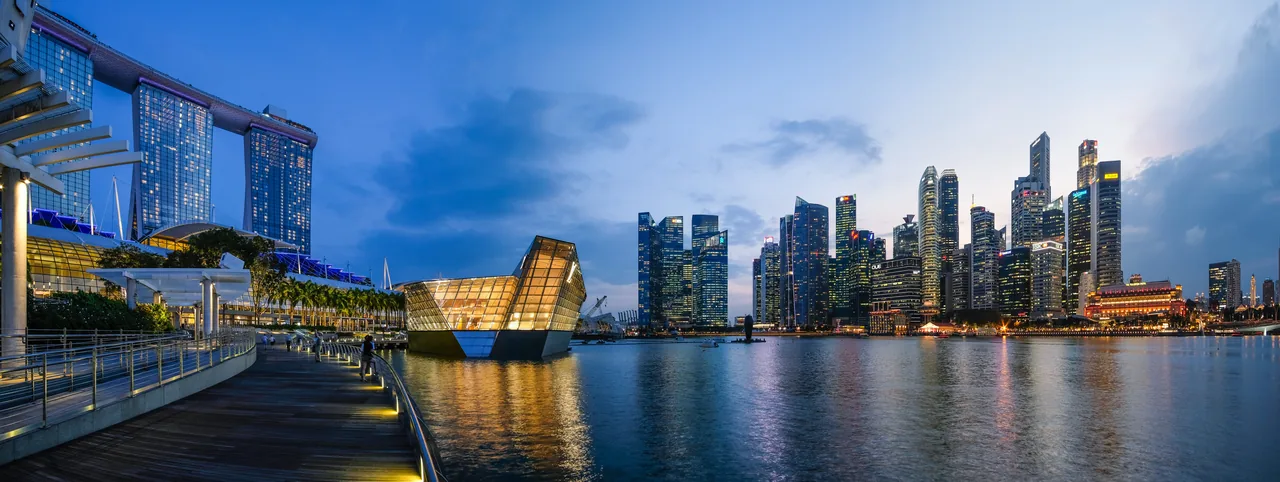
Yes, 3 days is genuinely enough to see the best of Singapore on a first visit, as long as you group it by area: Marina Bay on Day 1, Sentosa on Day 2, and the old neighbourhoods with Orchard on Day 3. This is the exact route, day by day, with what to book ahead, how to move between sights, what to skip, and how to bolt on a 4th day. For the bigger picture, start with our complete Singapore travel guide.
1. The short answer: is 3 days enough, and the plan at a glance
Yes, 3 days is enough to see the best of Singapore if you group it by area: Marina Bay on Day 1, Sentosa on Day 2, and the old neighbourhoods with Orchard on Day 3. Singapore is small and tightly packed, so the trick isn’t fitting more in, it’s not zig-zagging across the city. Cluster each day around one part of town and you’ll barely backtrack.
Here’s the whole route in one look before we walk through it hour by hour.
| Day | Area | Highlights |
|---|---|---|
| Day 1 | Marina Bay and the icons | Merlion ParkMap, Gardens by the Bay, the free evening light shows |
| Day 2 | Sentosa | Universal Studios, the beaches, the S.E.A. AquariumMap |
| Day 3 | The old quarters and Orchard | Chinatown, Little India, Kampong Glam, Orchard Road, Clarke QuayMap |
| Day 4 (optional) | Extend | Mandai (Zoo and Night Safari), the Botanic Gardens, or a day trip |
This is a first-timer route built to minimise backtracking, not to squeeze in everything. To plan the whole trip around it, see our complete Singapore travel guide; to see how easily the days connect, our Singapore MRT and transport guide; and for the full island day, the Sentosa guide.
2. Before you go: when to come, where to stay, and getting around
A little planning makes the 3 days flow, so sort the when, where and how first. None of it is complicated, but settling these before you land means you spend your time on sights instead of logistics.
When to come. Singapore is a year-round destination and it’s hot and humid whatever the date. It’s wetter from about November to January, with more rain but slightly cooler temperatures, and a touch drier from February to April, while the hottest months are usually around April to June, but there’s no season to avoid. Plan air-conditioned breaks for the middle of the day and keep the outdoors for the evenings. More on this in our best time to visit Singapore guide.
From Changi to the city. The MRT runs from the airport into town for about S$2 to 3 in roughly 45 minutes; a taxi or Grab is about S$20 to 40 and 20 to 30 minutes. Jewel and the airport itself are worth some time on arrival or departure. See our Changi Airport guide.
Where to base yourself. Stay central and on the MRT, and pick one hotel for all three nights so you never move. Marina Bay and City Hall sit by the icons, Chinatown and Bugis bring character and value, and Orchard is best for shopping. Our where to stay in Singapore guide breaks down the areas.
Getting around. The MRT reaches almost everything. Tap a contactless bank card or phone at the gates (the same fare as the Singapore Tourist Pass), or buy a Tourist Pass for about S$17 a day of unlimited rides. Grab and taxis cover late nights and Mandai. See the transport guide. And grab an eSIM before you land so maps and Grab work from the moment you arrive.
Pick one hotel for all three nights and let the MRT do the moving. Hopping hotels to be ‘closer’ to each day’s area costs you more time than it saves.
3. Day 1, morning: the Marina Bay icons
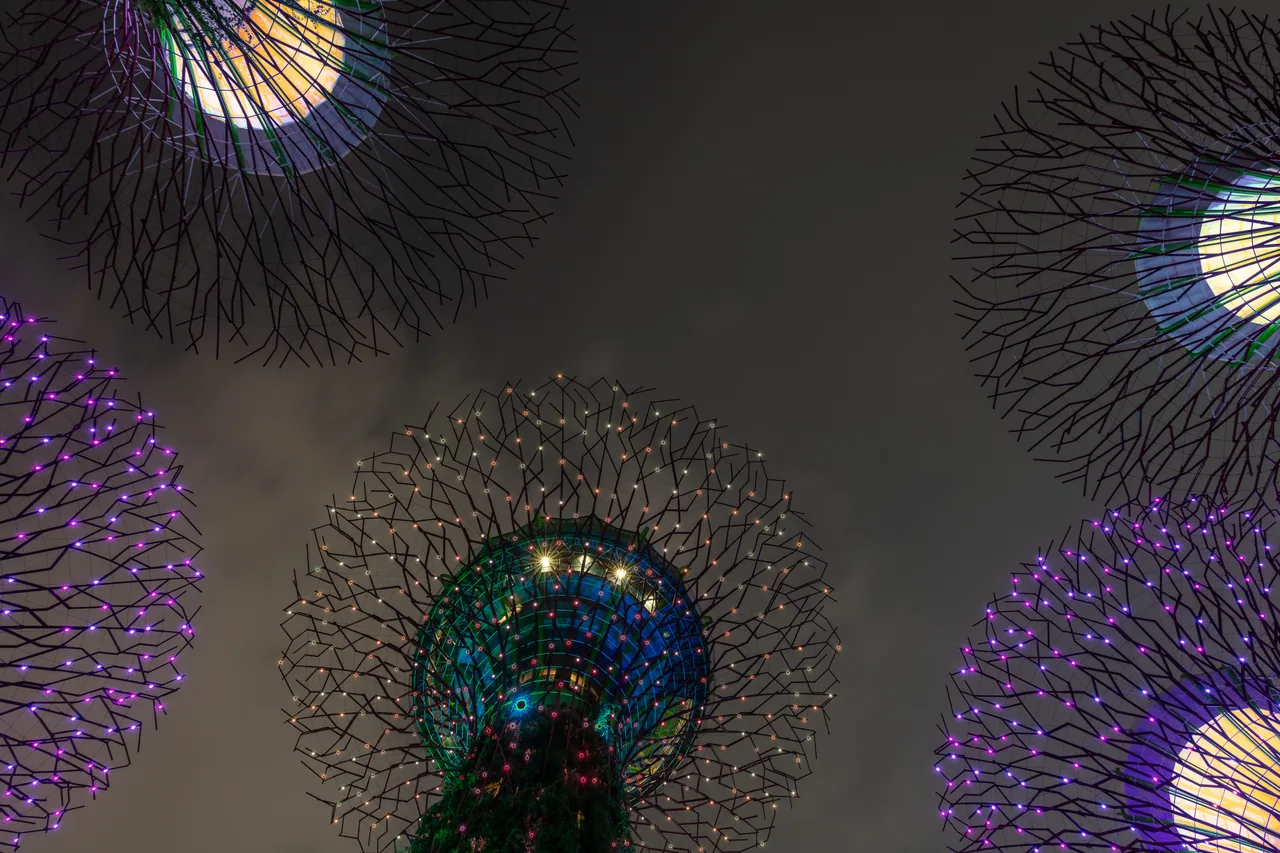
Start Day 1 at the Marina Bay waterfront, where the city’s postcard views are. Everything here is walkable and clustered around the bay, so you can do the morning on foot before the heat builds.
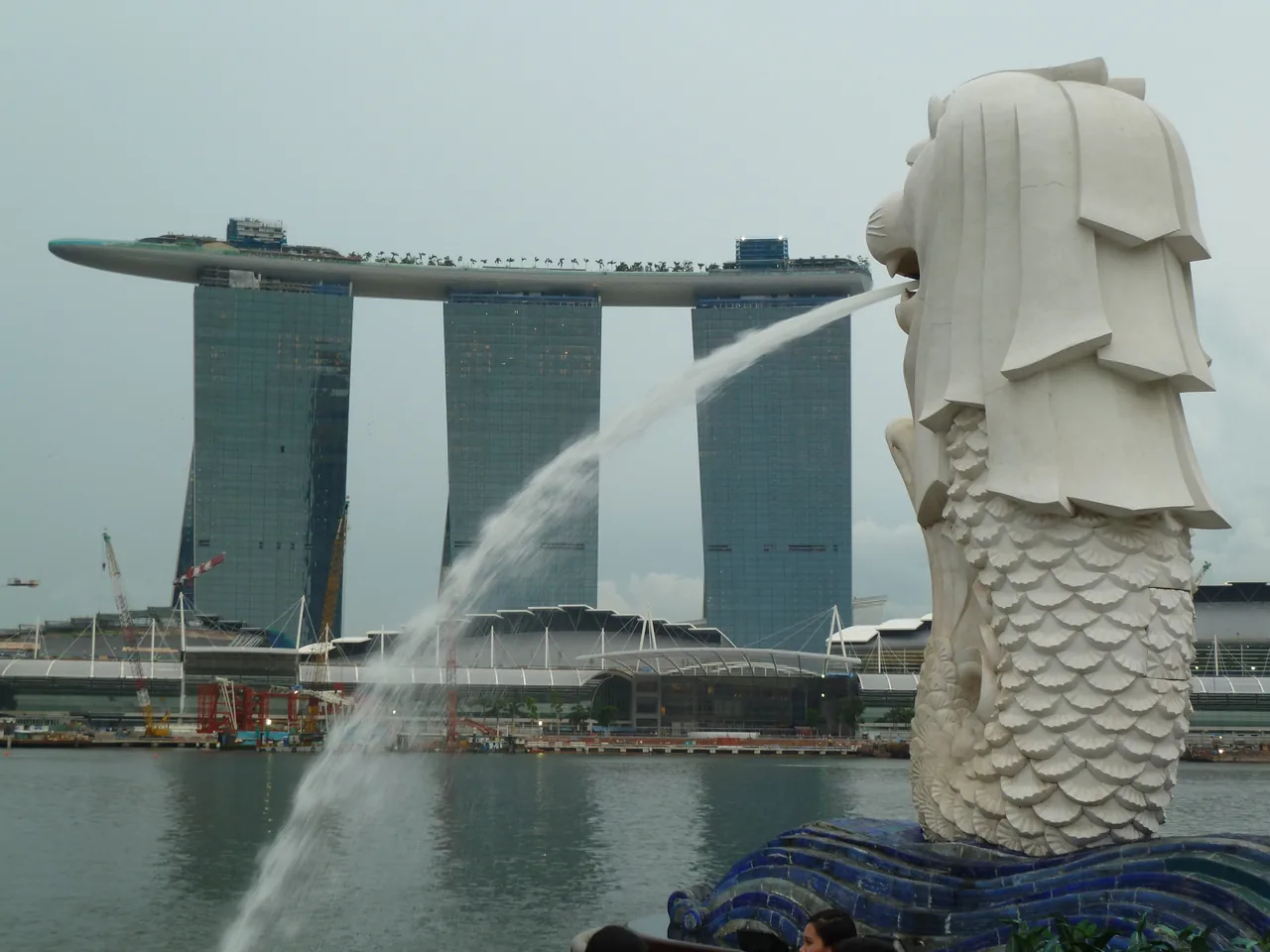
- Around 8 to 9am, Merlion Park Begin at Merlion Park for clean early photos of the original Merlion statue spouting water toward Marina Bay SandsMap, before the tour groups and cruise crowds arrive.
- Mid-morning, Marina Bay Sands Walk the bayfront to Marina Bay Sands and head up to the SkyPark observation deck for the view over the bay and the Gardens, or just wander the hotel and the waterfront promenade.
- Late morning, the Helix BridgeMap and ArtScience Cross the curving Helix Bridge past the ArtScience MuseumMap to loop back, taking in the whole skyline from the water’s edge.
The whole loop is short and flat, so it’s an easy, photo-heavy start before lunch.
Go early, before the midday heat and the cruise-ship crowds. The light is softer and the bayfront is far quieter at 8am than at noon. The full after-dark scene is in our Marina Bay at night guide.
4. Day 1, afternoon: Gardens by the Bay
Spend the afternoon at Gardens by the Bay, where the Supertrees and the cooled domes are. It’s a short walk or one MRT stop from Marina Bay Sands, so it slots straight onto the morning without any real travel.
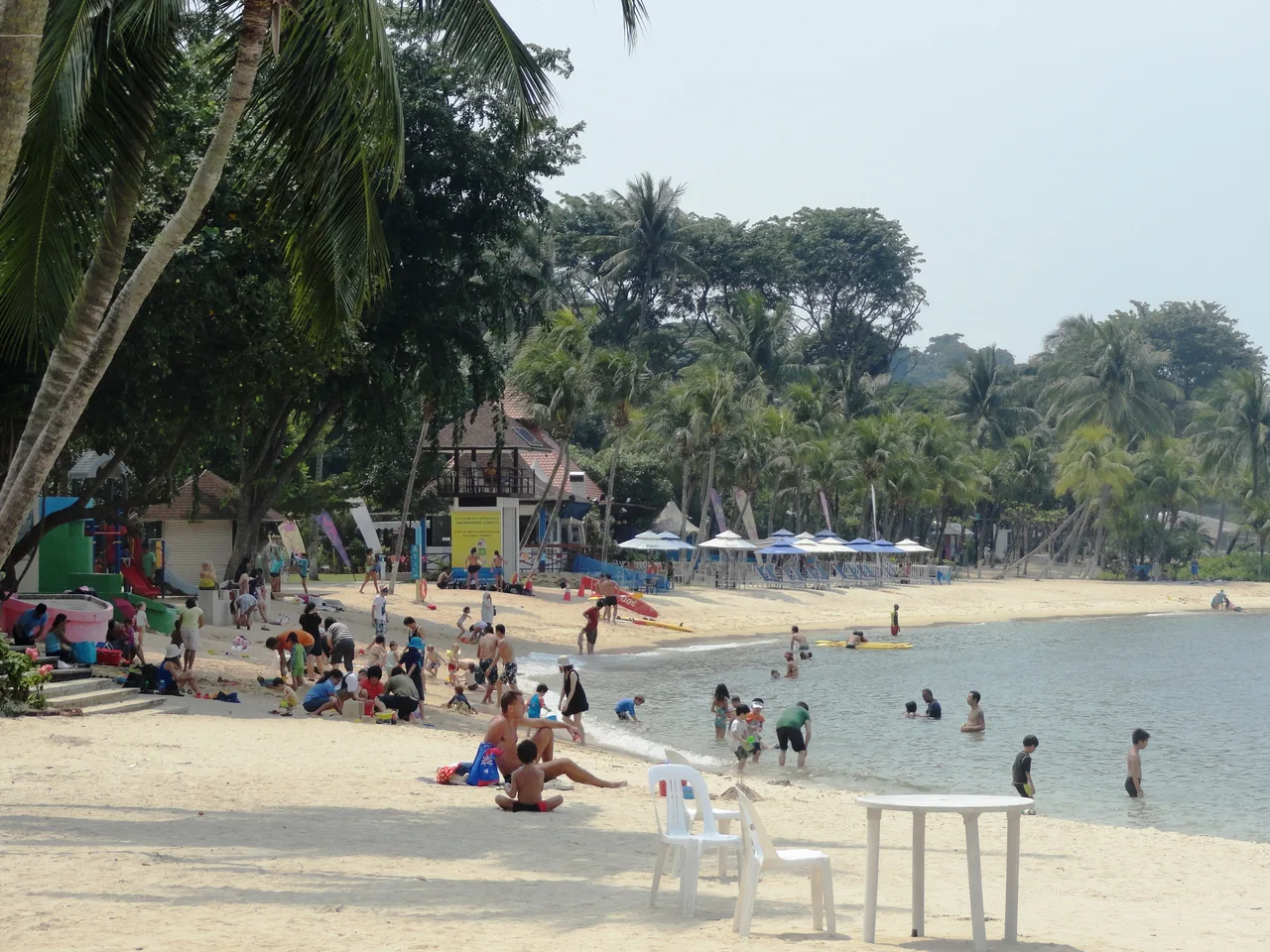
The Supertree GroveMap is free to walk and the headline sight, a cluster of towering vertical gardens you can wander beneath at no cost. For a small extra fee you can climb up to the OCBC Skyway, the aerial walkway strung between the Supertrees, for a treetop-level view across the Gardens and the bay. The two glass domes, the Flower DomeMap and the Cloud ForestMap, are a paid combo (about S$53 combined for an adult, but check the official site, worth booking ahead) and they’re air-conditioned, which makes them a genuine relief in the afternoon heat rather than just an attraction. The Flower Dome is the world’s largest glass greenhouse, while the Cloud Forest wraps a leafy indoor mountain around one of the tallest indoor waterfalls anywhere and now hides a Jurassic World dinosaur experience among the mist. Allow yourself 2 to 3 hours for the Gardens overall.
Even if you skip the domes, the outdoor gardens, the Supertrees and the waterfront are a full, free afternoon on their own. Time your visit for late afternoon and you can roll straight into the free evening Garden Rhapsody light show at the Supertrees without leaving. Full detail in our Gardens by the Bay guide.
The cooled domes are the best place to escape the worst of the afternoon heat, so time them for the hottest hour rather than the cooler late afternoon.
5. Day 1, evening: the free light shows
End Day 1 with two free light shows that are among the best-value things you’ll do in Singapore. Both are right here at the bay, both cost nothing, and together they’re the perfect close to the icons day.
Garden Rhapsody is the light-and-sound show at the Supertree Grove, usually around 7:45pm and 8:45pm. Spectra is the water-and-light show on the Marina Bay waterfront in front of Marina Bay Sands, usually around 8pm and 9pm. Because they run at slightly different times and sit a short walk apart, you can catch Garden Rhapsody at the Supertrees first and then stroll over to the bayfront for Spectra, seeing both in one evening.
If you want to go higher, the Singapore Flyer observation wheel turns the skyline into a slow night-time loop, or a rooftop bar gives you the same view with a drink. The whole night scene is mapped out in our Marina Bay at night guide, and for a livelier finish, our Singapore nightlife guide.
Showtimes shift with seasons and events, so check the official Gardens by the Bay and Marina Bay Sands sites before you build your evening around them. Don’t plan a tight back-to-back run off the times above without confirming.
6. Day 2: Sentosa, the island of attractions
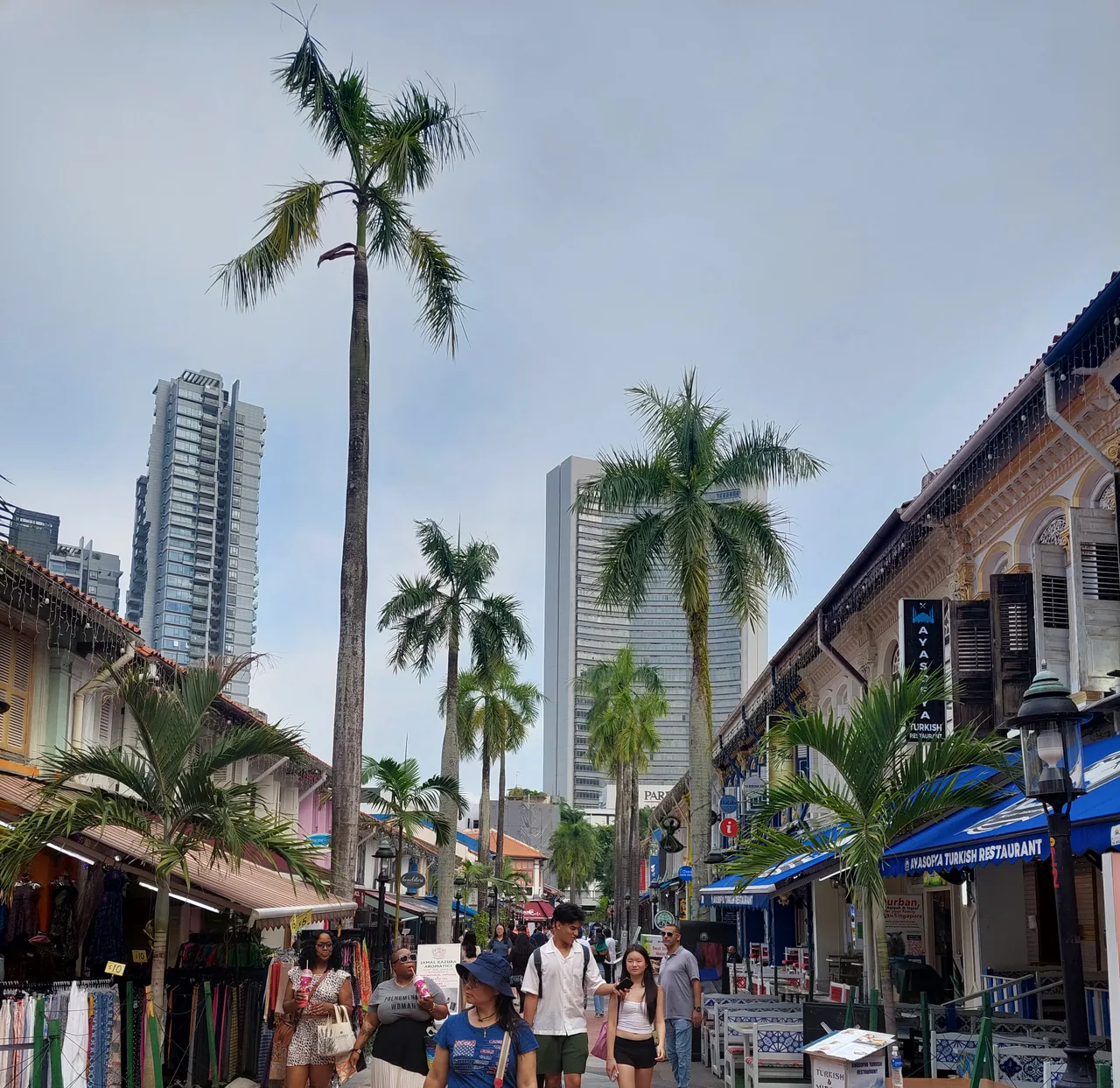
Give Day 2 entirely to Sentosa, the resort island packed with theme parks, beaches and shows. There’s enough here for a full day, and splitting it with anything else just means rushing both.
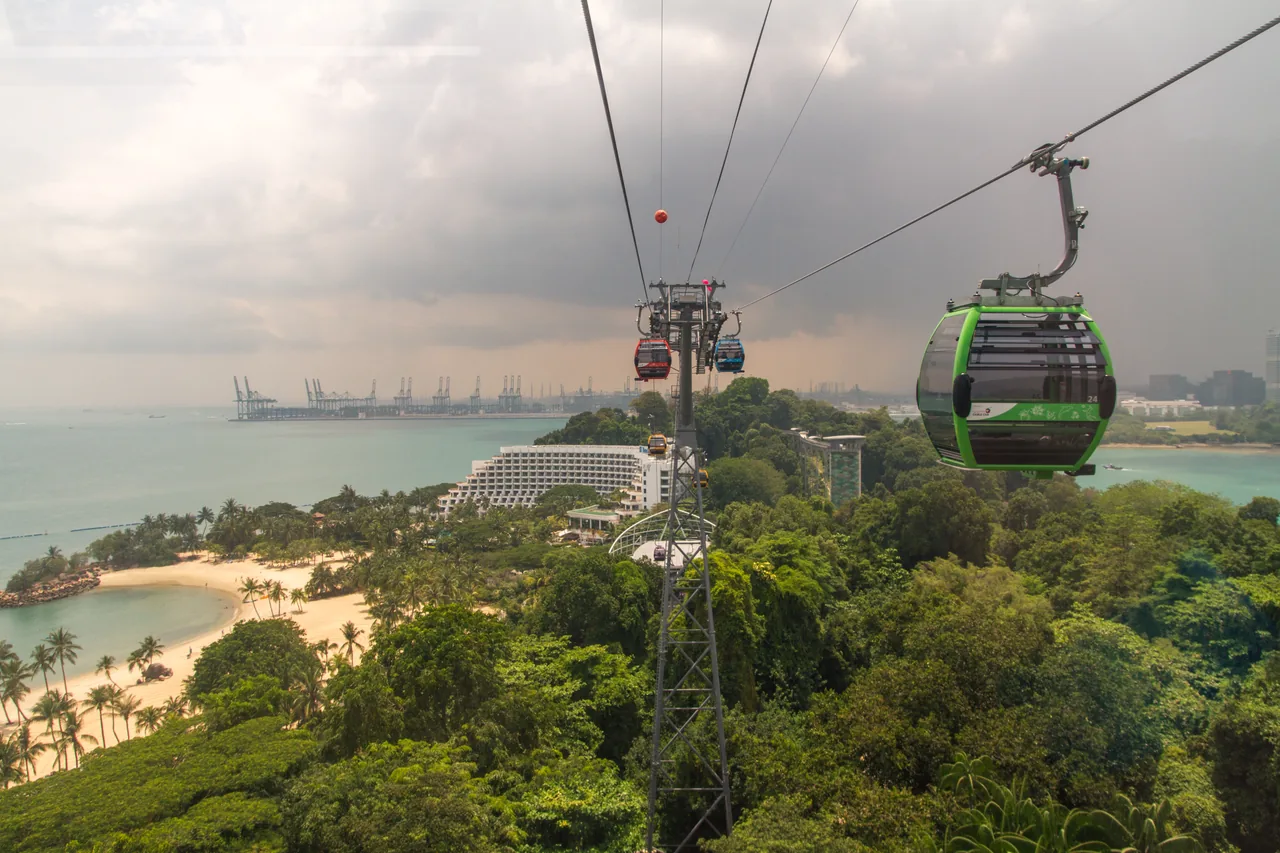
Getting there. Take the Sentosa Express monorail (about S$4 from VivoCity), the cable car (about S$35 round trip, and worth it for the harbour views), or the free Sentosa Boardwalk on foot. Any of the three drops you into the island within minutes.
The anchor. Build the day around Universal Studios Singapore (about S$83 for an adult; the newest zone is Minion Land; usually open about 10am to 8pm; quieter on weekdays). Then add the S.E.A. Aquarium and/or Adventure CoveMap Waterpark, the beaches, and the evening Wings of TimeMap show down by the sand. The full island plan, including what to do beyond Universal, is in our Sentosa guide.
Do Universal first thing, when queues are shortest, then cool off at the aquarium or on a beach in the afternoon. The midday heat is no fun in a theme-park line.
7. Day 3, morning: Chinatown
Start Day 3 in Chinatown, the most atmospheric of the old quarters. The lanes are compact and walkable, so a morning here covers temples, markets and a great hawker meal without much ground to cover.
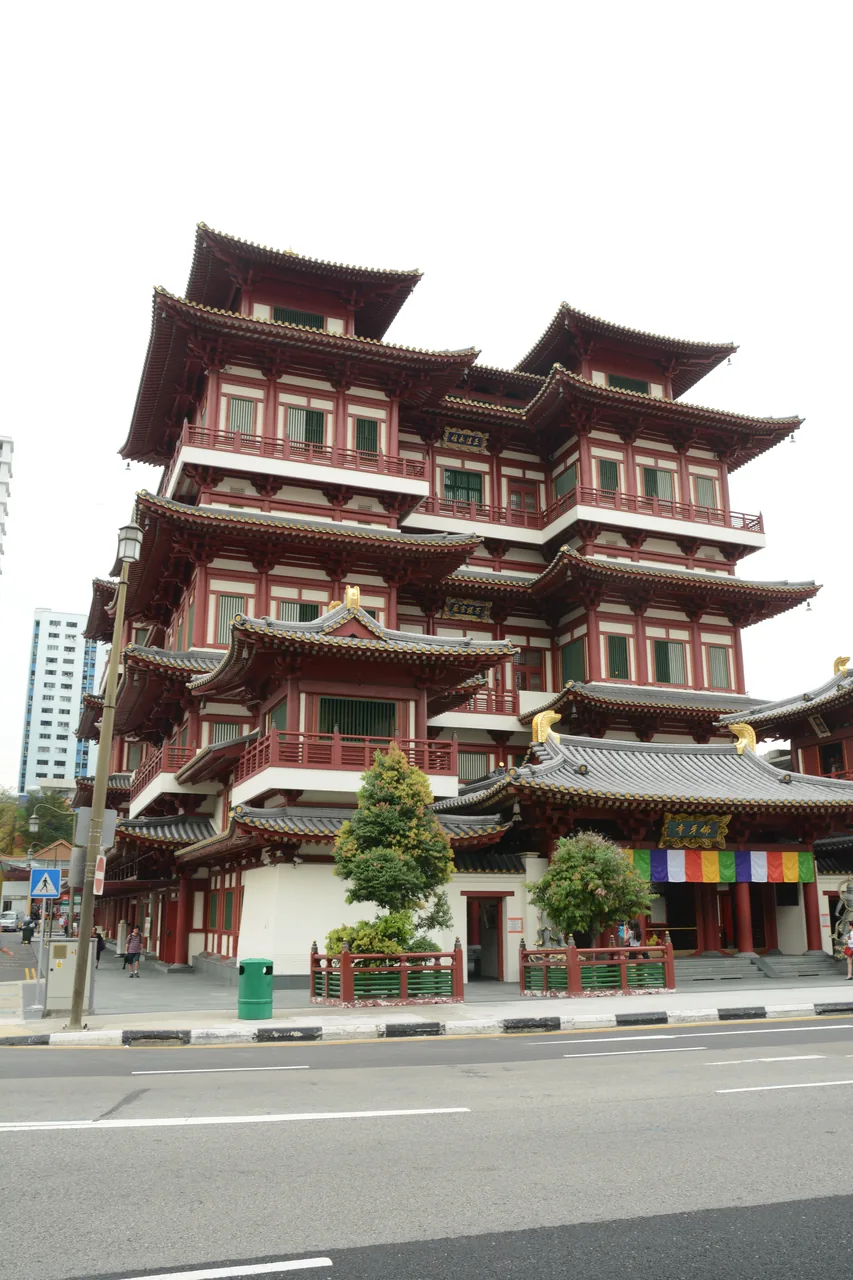
Begin at the Buddha Tooth Relic TempleMap, a four-storey temple and museum that’s the area’s centrepiece, home to what’s said to be a sacred Buddha tooth relic and topped by a peaceful rooftop garden, and free to enter. A short walk away is the Sri MariammanMap Temple, Singapore’s oldest Hindu temple, easy to spot by its colourful tiered gopuram tower. Wander the market lanes of Pagoda, Trengganu and Smith Streets, and duck into the Chinatown Heritage Centre to see how early migrants lived in these very shophouses.
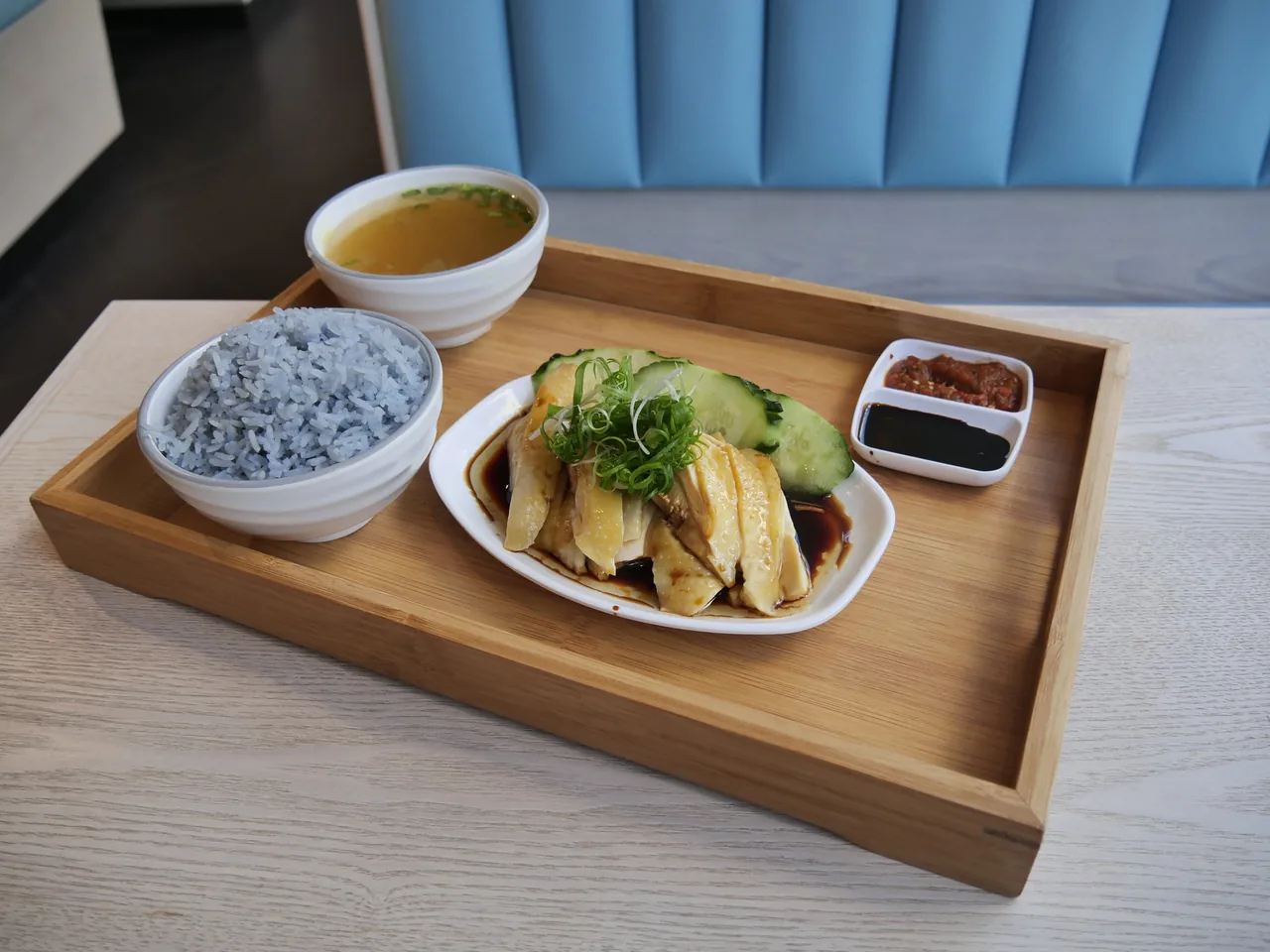
Time it so you arrive hungry: breakfast or an early lunch is the highlight. Maxwell Food CentreMap is home to the famous Tian TianMap Hainanese chicken rice, while the Chinatown ComplexMap food centre upstairs holds some of the world’s cheapest Michelin-listed hawker stalls. When you want a coffee or an evening drink, the restored shophouses of Ann Siang Hill and Club Street are full of cafés and bars. Full detail in our Chinatown guide, and the dishes in our hawker food guide.
Come hungry. This is one of the best hawker areas in the city, and a few dollars buys you a meal you’ll remember longer than most of the sights.
8. Day 3, midday: Little India and Kampong Glam
From Chinatown, hop to Little India and Kampong Glam for two more contrasting neighbourhoods. They’re a couple of MRT stops apart and feel nothing like Chinatown or each other, which is exactly what makes the day interesting.
Little India is loud, colourful and fragrant: the ornate Sri VeeramakaliammanMap Temple, the produce and spice stalls of the TekkaMap Centre wet market (with cheap, excellent food upstairs), and the 24-hour MustafaMap Centre, where you can buy almost anything at any hour. Don’t miss the rainbow-bright House of Tan Teng NiahMap, the last Chinese villa in the area and the neighbourhood’s most photographed building, or the Indian Heritage Centre for the story behind it all. See our Little India guide.
Kampong Glam is the historic Malay-Arab quarter, anchored by the golden-domed Sultan MosqueMap. Browse the textile and carpet shops along Arab Street, chase murals and indie cafés down Haji LaneMap, and wander palm-lined Bussorah Street toward the mosque. The Malay and Middle-Eastern food here, from nasi padang to mezze, is some of the best in the city. See our Kampong Glam guide, and for how the quarters fit together, our Singapore neighbourhoods guide.
Haji Lane is the spot for a coffee and a slow wander in the afternoon, once you’ve had your fill of temples and markets.
9. Day 3, afternoon and evening: Orchard Road and the river
Finish Day 3 with shopping on Orchard Road and dinner by the river. It’s a gentle, air-conditioned end to a day on your feet, and both are an easy MRT hop from the old quarters.
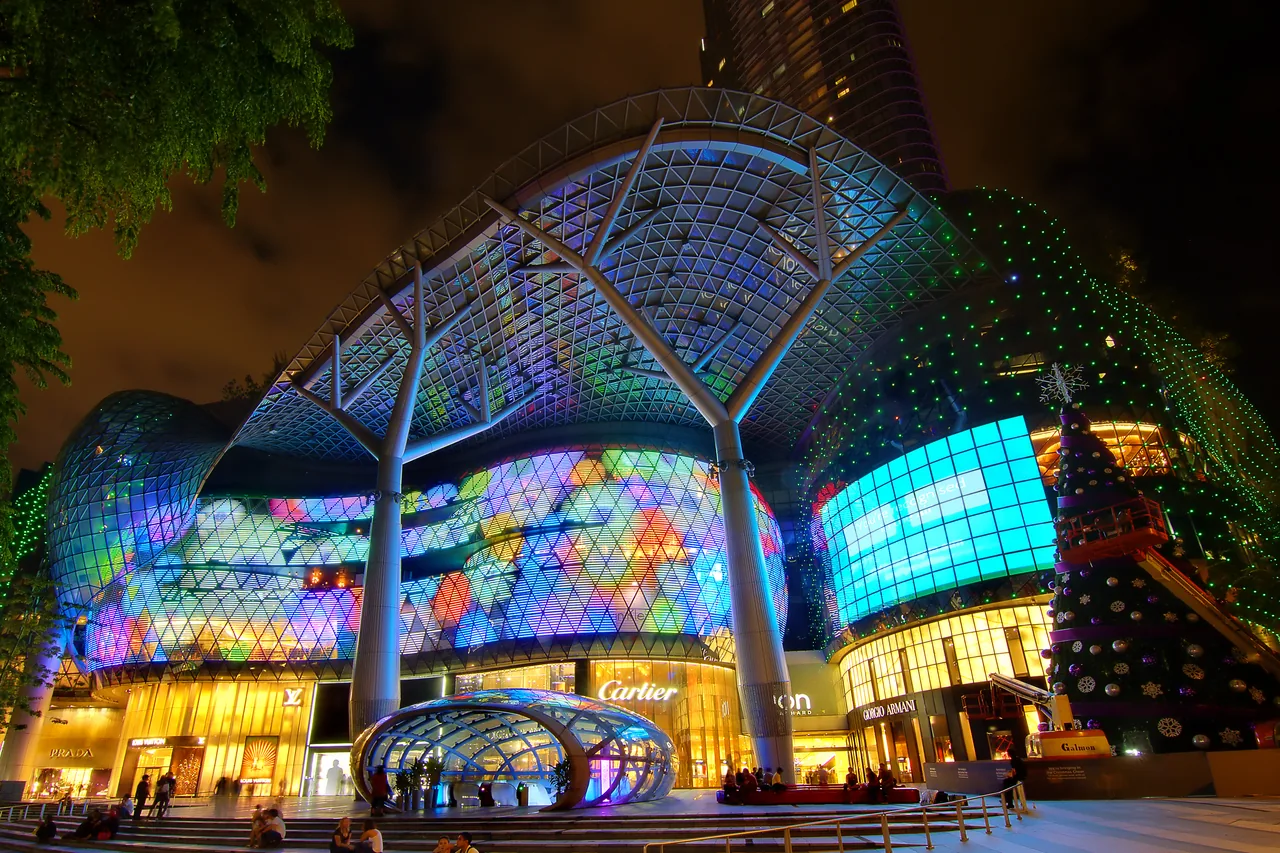
Orchard Road is the shopping belt, a long strip of malls and a welcome dose of cool air after a hot day outdoors. The anchors are ION OrchardMap (with a free Sky observation deck on its top floors), Ngee AnnMap City and its TakashimayaMap department store, and 313@Somerset, all linked by underground passages so you can mall-hop without stepping back into the heat. See our Orchard Road guide. Then head to the river for the evening: Clarke Quay is the riverside dining and nightlife stretch, its bars and clubs lighting up after dark. A Singapore River cruise (about S$28, but check current prices) glides you past the old godowns and the bay, while Boat QuayMap nearby and the quieter, more grown-up Robertson QuayMap give you gentler riverside options. For where to go after dinner, our Singapore nightlife guide has the options.
If you’re templed-out by mid-afternoon, skip straight ahead to Orchard and the river. It’s a soft landing after a busy three days, and nobody’s keeping score on the sights.
10. Eat like a local: hawker food woven through
The best food in Singapore is at the hawker centres, and you should eat at one every single day. They’re cheap, safe, often air-conditioned, and frequently the highlight of the day, not a compromise.
The dishes to chase down: Hainanese chicken rice, chilli crab, laksa, char kway teow, satay and kaya toast with soft-boiled eggs for breakfast. There’s a great centre near every day’s route, so you never have to go out of your way. Maxwell or the Chinatown Complex on Day 3, Lau Pa SatMap near Marina Bay on Day 1, Newton if you want the classic evening-stall scene, and the food courts on Sentosa for Day 2. The full rundown is in our Singapore hawker food guide.
A hawker meal is a few dollars and often better than anything you’d pay ten times as much for elsewhere. Don’t skip them to save time; they’re part of the point.
11. Day 4 and beyond: how to extend the trip
With a 4th day, the best add-ons are Mandai, the Botanic Gardens, or a day trip. Each suits a different kind of traveller, so pick the one that matches your group rather than trying to fit more than one in.
- Mandai (Zoo and Night Safari) A full day, or split it: the open-concept Singapore Zoo by day and the Night Safari after dark, where you tour the park by tram as nocturnal animals come out. Best for families and animal lovers, and the standout 4th-day option for most.
- The Botanic Gardens and Dempsey The free UNESCO Singapore Botanic Gardens for orchids, rainforest and old trees, then a leafy lunch at Dempsey HillMap nearby. The calm, green choice for nature lovers and anyone wanting a slower day.
- A day trip Cross the border to Johor Bahru in Malaysia for cheap food and shopping, or take the ferry to rustic, car-free Pulau Ubin for a bike ride back in time. The pick for budget travellers and the curious.
Families should pick Mandai, nature lovers the Botanic Gardens, and budget or adventurous travellers the day trip. A 5th day is best spent slowing down rather than adding more.
12. Doing this itinerary with kids
The 3-day plan works beautifully with kids with a few tweaks. Singapore is one of the easiest family destinations in Asia: clean, safe, walkable and air-conditioned where it counts.
Lead with the fun: the big kid wins are Universal Studios, the S.E.A. Aquarium, the Zoo and Night Safari, the free Far East Organization Children’s Garden water play at Gardens by the Bay, and the Sentosa beaches. Add the Zoo and Night Safari on a 4th day if you have one. Keep the temple-hopping on Day 3 short, because little ones tire of it fast, and build in pool and rest time rather than packing every hour.
The practical comforts make it easy: nearly every MRT station has lifts and step-free stroller access, malls and attractions have nursing and baby-care rooms, and hawker centres give families room to spread out and feed everyone cheaply. Use the parks’ own trams and the MRT to spare tired little legs, and don’t be shy about an afternoon back at the hotel pool. The full rundown is in our Singapore with kids guide.
Two big things a day plus a pool break is the right pace with kids. Trying to match an adult itinerary is the fastest way to a meltdown, theirs or yours.
13. Getting around and saving money
Singapore is small and the MRT reaches almost everything, so you’ll spend little on transport and can save real money on attractions with a pass. The two costs that actually move your budget are your hotel and how many paid sights you do, and only one of those is in your hands once you arrive.
Transport. Tap a contactless bank card or phone at the MRT gates (the same fare as the Singapore Tourist Pass), or buy a Tourist Pass for about S$17 a day if you’ll ride a lot. Either way it’s cheap. See our transport guide.
Attractions. If you’re doing several paid sights (Universal, the aquarium, the domes, an observation deck), a multi-attraction pass can save a fair bit versus separate tickets, which is exactly the kind of pass we weigh up in the next section. Compare the options in our Singapore attraction passes guide before you buy. And keep the rest of the budget sane by eating at hawker centres, covered in our Singapore on a budget guide.
Do the maths in the passes guide before you buy. A pass only wins if you’ll actually visit several paid sights, so add up your shortlist first.
14. Which Singapore pass is worth it?
There are really two different kinds of Singapore pass, and which is worth it depends entirely on what you plan to do. They solve different problems, so don’t lump them together when you decide.
The first is the Singapore Tourist Pass, which is just unlimited public transport (covered in the previous section). It only wins if you ride the MRT and buses a lot, since tapping a contactless card costs the same per trip. The second is a multi-attraction pass, such as the Klook Singapore attractions pass or Go City, which bundles several paid sights into one price and can save a lot, but only if you’ll actually visit several.
The honest test is to do the maths. Add up the gate prices of the attractions you genuinely plan to do (Universal Studios, the Gardens domes, the Night Safari, the Singapore FlyerMap, the S.E.A. Aquarium and so on), then compare that total to the pass price. A pass only comes out ahead once you’re past a few paid sights. If your trip leans on the free side, the Marina Bay light shows, hawker food, the old neighbourhoods and the beaches, you may not need any attraction pass at all. Compare the options properly in our Singapore attraction passes guide, and keep the rest of the spending in check with our Singapore on a budget guide.
Do the maths in the passes guide before you buy. Add up the gate prices of the sights you’ll actually visit and only buy the pass if it beats them.
15. What to skip, and rookie mistakes
A few honest cuts and warnings keep the 3 days smooth. Most first-timer regrets come from trying to do too much, not too little, so here’s what to let go of.
- Don’t try to cram more than two or three big things into one day; the heat alone won’t let you enjoy a fourth.
- Don’t rent a car. The MRT is faster, cheaper and parking is a hassle and an expense you don’t need.
- Don’t queue for Universal on a weekend if you can go midweek; the difference in waiting time is real.
- Don’t skip the free evening shows. Spectra and Garden Rhapsody are some of the best-value things in the city.
- Don’t underestimate the heat. Plan air-conditioned breaks for midday and save the walking for mornings and evenings.
- Don’t change hotels every night. One central base on the MRT beats chasing each day’s area.
The biggest rookie mistake is over-packing each day and then melting in the midday heat. Build in shade, water and slack time, and check the best time to visit guide and our budget guide before you finalise the plan.
16. Sample budgets for 3 days
Here’s roughly what 3 days costs per person, so you can plan with real numbers. The figures are per person per day in SGD, excluding flights, and the big swings come from your hotel and how many paid attractions you do.
| Style | Per day | 3 days (approx) |
|---|---|---|
| Shoestring (hostel, hawker food, mostly free sights) | about S$70 to 110 | about S$210 to 330 |
| Mid-range (4-star split between two, some attractions) | about S$150 to 250 | about S$450 to 750 |
| Comfortable (nicer hotel, more paid attractions) | about S$300+ | about S$900+ |
The two variables that actually move the total are your hotel and the number of paid attractions, since food and transport are cheap here. A multi-attraction pass plus hawker meals are the main savers, and the full breakdown is in our Singapore on a budget guide.
Hotel and paid attractions drive the budget; food and transport stay cheap whatever you do. If money’s tight, that’s where to economise. Compare the savings in our passes guide.
17. Plan the rest of your Singapore trip
That’s a full first-timer route, and from here you can fine-tune every piece of it. Each day links out to a deeper guide, so dig into whatever you want to get right.
Start with our complete Singapore travel guide to plan the whole trip. For Day 2, the Sentosa guide, the Universal Studios guide and the day’s icons in the Gardens by the Bay guide, Marina Bay Sands guide and Marina Bay at night guide. For a 4th day, the Singapore Zoo guide, the Night Safari guide and the Botanic Gardens guide.
For Day 3, the Chinatown, Little India, Kampong Glam and Orchard Road guides. Sort the practicalities with the transport guide, the best time to visit guide, the where to stay guide, the budget guide, the kids guide and the passes guide, and eat well with the hawker food guide. For everything else, our things to do guide and the neighbourhoods guide have the full menu.
Three days really is enough to fall for Singapore. Group it by area, book the few things that sell out, eat at the hawker centres, and let the MRT do the rest.
🎡Things to Do53
🍜Food6
🏨Where to Stay10
🚇Getting Around4
🧭Travel Tips19
Frequently asked questions
Yes, 3 days is enough to see the best of Singapore as a first-timer, as long as you cluster by area. Spend Day 1 on Marina Bay and the icons, Day 2 on Sentosa, and Day 3 on the old neighbourhoods plus Orchard. A 4th day lets you add Mandai, the Botanic Gardens or a day trip, but the core three days already cover the postcard sights without leaving you rushed.
Day 1 Marina Bay, Day 2 Sentosa, Day 3 the old quarters. On Day 1 do Merlion Park, Gardens by the Bay and the free evening light shows. On Day 2 give the whole day to Sentosa: Universal Studios, the beaches and the aquarium. On Day 3 work through Chinatown, Little India, Kampong Glam, Orchard Road and Clarke Quay. Grouping by area keeps you from criss-crossing the city.
Mid-range travellers spend roughly S$150 to 250 per person per day, so about S$450 to 750 for 3 days excluding flights. That covers a 4-star hotel split between two, attractions, food and transit. Shoestring is far less with hostels and hawker meals. The big variables are your hotel and how many paid attractions you do, so a pass plus hawker food are the main savers.
The MRT reaches almost everything, and you just tap a contactless bank card or phone at the gates. The tap fare is the same as the Singapore Tourist Pass, so most people skip the pass unless they’re riding a lot; the Tourist Pass costs S$17 for 1 day, S$24 for 2 days or S$29 for 3 days (about S$9.70 a day), so on a 3-day trip the 3-day pass is the cheapest unlimited option. Note that foreign-issued contactless cards add an admin fee of about S$0.60 for each day you travel, so if you ride a lot, compare a Tourist Pass or an EZ-Link card. Use Grab or a taxi for late nights and the trip out to Mandai, where the MRT doesn’t quite reach.
Book Universal Studios, the Gardens by the Bay domes, the Night Safari and any multi-attraction pass ahead. Gate prices are higher and peak time slots sell out, especially on weekends and school holidays. The free sights, the hawker centres and most temples need no booking at all, so you only really pre-book the big-ticket, timed attractions.
Yes, one day is enough for Universal Studios Singapore, especially on a weekday. It’s a compact park, so arrive at opening (usually about 10am), ride the popular attractions and Minion Land first, and you’ll still have the late afternoon free for a beach or the S.E.A. Aquarium. On a busy weekend you’ll spend more time in queues, so go midweek if you can; as the newest zone, Minion Land (opened February 2025) draws crowds, so an Express Pass is worth considering on peak days.
Any full day works, but a weekday is noticeably quieter for Universal Studios. Get there by the Sentosa Express monorail (about S$4 from VivoCity) or the cable car (about S$35 round trip for the harbour views). Spend the day across Universal, the beaches and the S.E.A. Aquarium, and finish with the evening Wings of Time show. Give Sentosa the whole day rather than half of it.
Pick one central hotel on the MRT for all three nights so you don’t keep packing up. Marina Bay and City Hall put you right by the icons, Chinatown and Bugis offer more character and better value, and Orchard is best if you’re there to shop. Anywhere on the MRT is well connected, so the real win is just choosing one base and letting the trains do the moving.
Singapore is a year-round destination, though it’s hot and humid whenever you come. It’s wetter from about November to January, with more rain but slightly cooler temperatures, and a touch drier from February to April, while the hottest months are usually around April to June. There’s no truly bad time, so plan air-conditioned breaks for the middle of the day and save the outdoors for the cooler evenings. The weather rarely derails a trip; the heat just sets the pace.
Yes, it’s one of Asia’s easiest family trips with a few tweaks. Lead with Sentosa and the S.E.A. Aquarium, add the Zoo and Night Safari on a 4th day, keep the temple-hopping short, and build in pool and rest time. The MRT and the parks’ own trams save tired little legs. Two big things a day plus a pool break is the right pace with children.
The best 4th-day add-ons are Mandai, the Botanic Gardens or a day trip. Mandai gives you the open-concept Singapore ZooMap by day and the Night Safari after dark; the free UNESCO Botanic Gardens pairs with lunch at Dempsey Hill; and a day trip can run across the border to Johor Bahru or out to Pulau Ubin. A 5th day is great for a slower neighbourhood or a return to a favourite.
If you’re short on time, skip anything that needs a long detour or repeats what you’ve already seen. You don’t need every shopping mall, every temple, or a second paid observation deck once you’ve been up high. Don’t rent a car (the MRT is faster and cheaper), don’t change hotels nightly, and above all don’t over-pack each day and melt in the midday heat.