
Singapore to Johor Bahru: The Smart Day-Trip Guide (Bus, Train, Border & What to Do)
A day trip to JB is the easiest, cheapest border hop in the region — once you know how to cross. Here’s how to get there by bus, train or car, how to beat the causeway jams, what your money is worth, the malls and food worth crossing for, and exactly what you can bring back into Singapore.
| Where is it? | Across the border from Singapore; the JB checkpoint is next to City SquareMap mall |
|---|---|
| Cheapest way across | Public bus — about S$2 to S$4, no booking needed |
| Fastest way across | KTM Shuttle Tebrau train: about 5 minutes, but book ahead |
| Currency | Malaysian ringgit (MYR); roughly 1 SGD ≈ 3.2 MYR in 2026 |
| When to go | Weekday, early morning or late evening; avoid weekends & public holidays |
| Passport | Needs 6 months’ validity; most visitors are visa-free for a short trip |
| Top draws | Malls, street food, massages, LEGOLAND, cheap groceries |
| Coming home | No duty-free alcohol or cigarettes from Malaysia by land — declare them |
1. Is a JB day trip worth it?
2. How to get from Singapore to JB: your four options
3. The two land checkpoints (and the RTS Link that’s coming)
4. Crossing the border, step by step
5. When to go: beating the Causeway jams
6. Money: ringgit, exchange and paying in JB
7. Entry requirements: passport, MDAC and visas
8. Shopping in JB: the malls worth your time
9. LEGOLAND and other attractions
10. Eating in JB: cheap, good and everywhere
11. Massage, spa and getting pampered for less
12. What to buy and bring back
13. Singapore customs: what you can (and can’t) bring home
14. Staying connected, safe and sane: practical tips
15. Sample day-trip plans
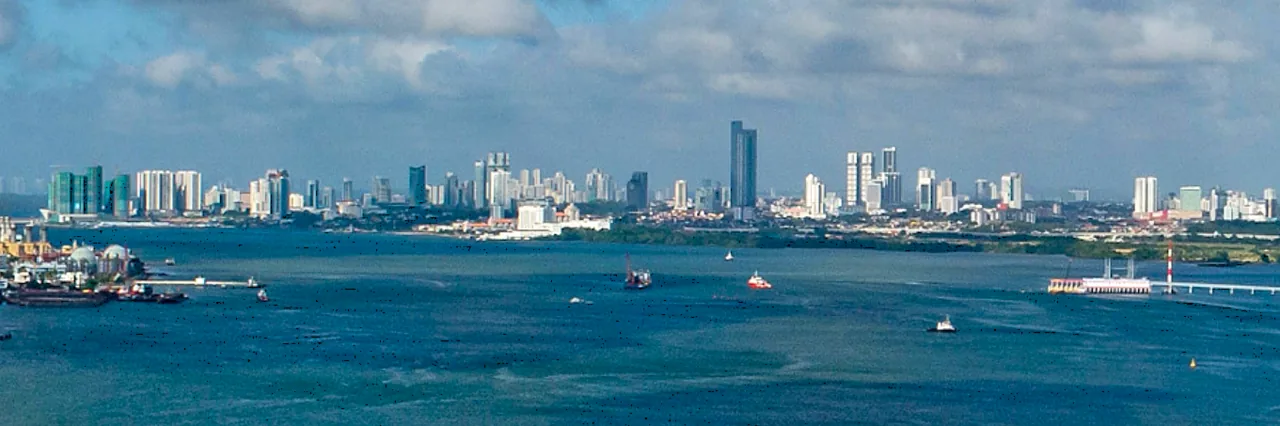
Johor Bahru — JB to everyone who goes — sits right across the water from Singapore, and a day trip there is a rite of passage: cheaper shopping, cheaper food, cheaper massages, and a different country stamped in your passport before lunch. The catch is the crossing. The Johor–Singapore Causeway is one of the busiest land borders on earth, and an unplanned trip can mean two hours stuck in a queue instead of eating your way through a hawker centre. Get the timing and the transport right, though, and JB is genuinely easy. This guide walks you through every way to cross, how to dodge the jams, what your Singapore dollars are worth, the malls and food that are actually worth the trip, and the customs rules that catch people out on the way home. For the rest of your trip on the Singapore side, see our Singapore travel guide.
1. Is a JB day trip worth it?
Yes — for cheaper food, shopping, groceries and massages, plus a couple of big family attractions, JB is one of the best-value day trips you can do from Singapore. The only thing that decides whether it’s a great day or a frustrating one is the border crossing.
Here’s the honest version. Across the Causeway, your Singapore dollars suddenly go a long way: a satisfying meal that might cost S$15 in Singapore can be a few ringgit in JB, a foot massage is a fraction of the price, and groceries and household goods are a popular reason Singaporeans cross in the first place. Add LEGOLAND, a handful of large malls, and a likeable old town, and there’s easily a full day here.
The flip side is that JB is not a place you wander into on a whim at the wrong time. The land crossing can swallow hours if you hit a weekend peak unprepared. So the rest of this guide treats the crossing as the main event: nail that, and the JB part takes care of itself.
2. How to get from Singapore to JB: your four options
There are four realistic ways across: public bus (cheapest), the Shuttle Tebrau train (fastest), driving your own or a rental car, or a taxi/private transfer (most comfortable). For most day-trippers it comes down to bus or train.
Public bus is the default. Cross-border services run by Causeway Link (the CW routes), SBS Transit (160 and 170) and SMRT (950) cost only about S$2–4 and run constantly with no booking. The quirk is that you get off the bus to clear immigration and re-board a later bus of the same service — once at Woodlands and again at JB CIQ — so keep your ticket or tap card handy.
The KTM Shuttle Tebrau train is the speed play: about five minutes from Woodlands to JB SentralMap, with immigration done at the stations so you bypass the road jams entirely. The price is unbeatable, but seats are limited and sell out, so you must book ahead.
Driving gives you freedom (handy for LEGOLAND or a big grocery run) but adds rules: a Vehicle Entry Permit, the three-quarter-tank fuel rule leaving Singapore, and tolls. Taxis and private transfers are the comfortable, door-to-door option and worth it for families or groups, especially to LEGOLAND.
| Option | Cost | Time across | Best for |
|---|---|---|---|
| Public bus | ~S$2–4 | Varies with queues | Budget, flexibility, no booking |
| Shuttle Tebrau train | S$5 / RM5 back | ~5 min | Speed — if you book ahead |
| Own / rental car | Fuel + tolls + VEP | Varies with queues | LEGOLAND, big shopping hauls |
| Taxi / private transfer | Highest | Door to door | Comfort, families, groups |
To reach the Woodlands crossing on the Singapore side, the MRT gets you most of the way — see our MRT and transport guide.
3. The two land checkpoints (and the RTS Link that’s coming)
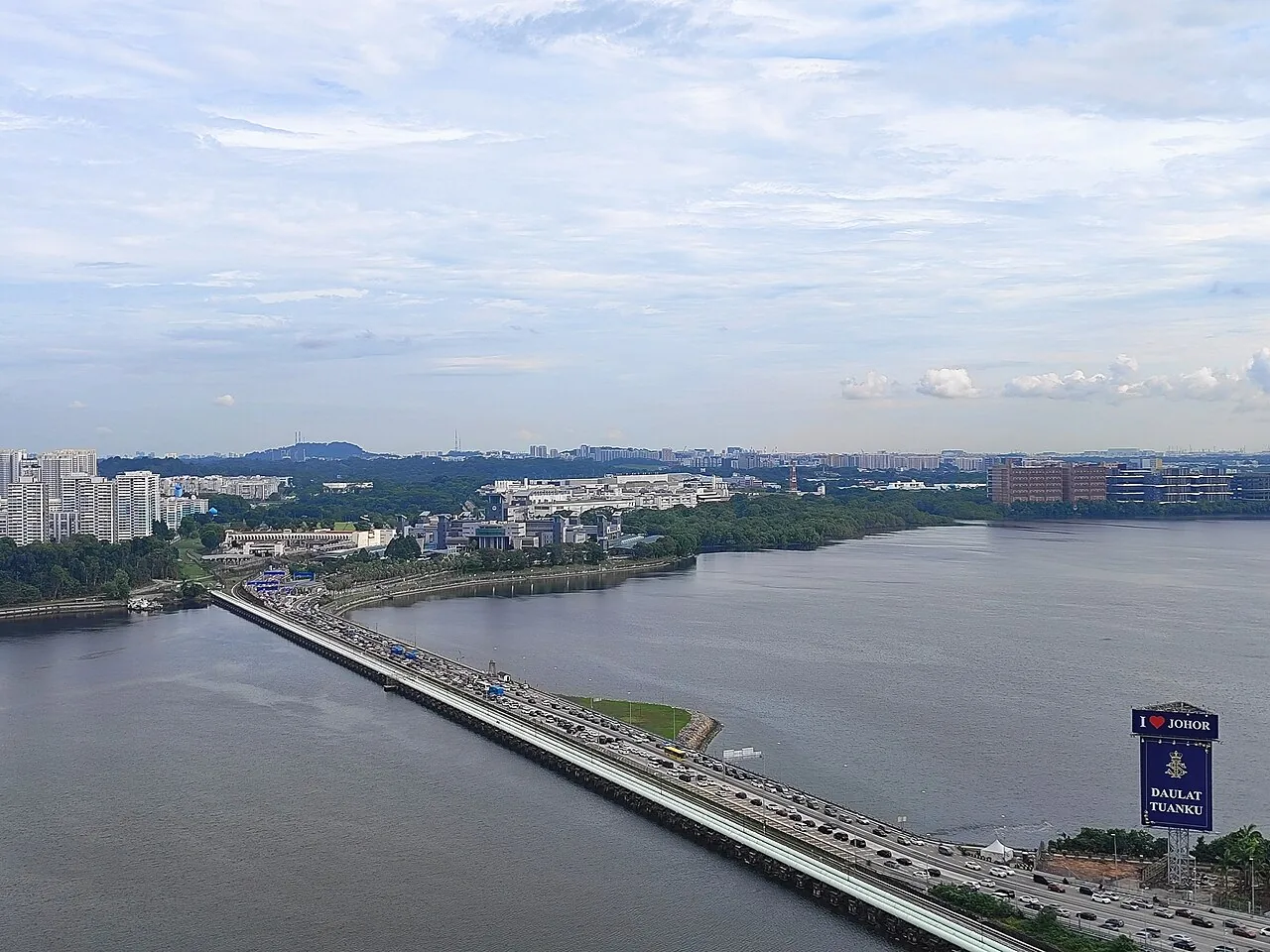
There are two land crossings: the Woodlands Causeway in the north, which leads straight to central JB and City Square, and the Tuas Second Link in the west, which is closer to Iskandar Puteri and LEGOLAND. A faster rail link, the RTS, is due to open at the end of 2026.
The Woodlands Causeway is the classic crossing and the one most day-trippers use. On the JB side you arrive at the JB CIQ complex, which connects directly to City Square mall and JB Sentral station — so you can be shopping or eating within minutes of clearing immigration. It’s also the busiest, which is why timing matters so much.
The Tuas Second Link is further west and generally less congested, but it drops you near Iskandar Puteri rather than central JB. It makes most sense if you’re driving or heading specifically to LEGOLAND or the western suburbs.
4. Crossing the border, step by step
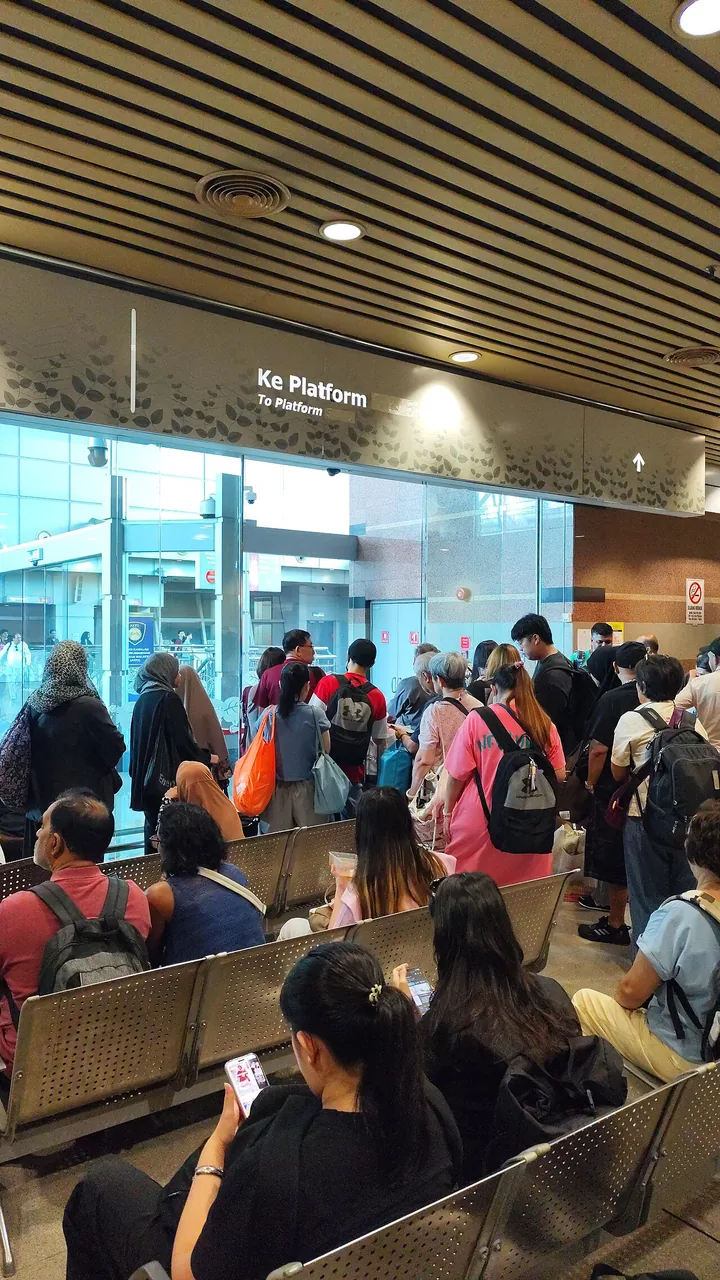
However you travel, you clear immigration twice: out of Singapore, then into Malaysia (and the reverse coming home). On a bus that means getting off, clearing the checkpoint, and re-boarding — so keep your passport, ticket and tap card within easy reach.
By bus, the rhythm is: board, ride to Woodlands Checkpoint, get off and clear Singapore departure, then catch the next bus of the same service across the Causeway to JB CIQ, get off again and clear Malaysian arrival. Hold on to your bus ticket — many services let you re-board any later bus of that route. By train, both checks happen inside the stations, so it’s far simpler: clear departure at Woodlands, ride five minutes, clear arrival at JB Sentral.
Have your passport ready (six months’ validity, a couple of blank pages). If you’re not a Singapore citizen, fill in the free Malaysia Digital Arrival Card (MDAC) online within three days before you cross. Autogates are increasingly available for eligible travellers, which speeds things up. Don’t bring anything restricted: vapes are illegal in both countries, and there are tight rules on what you can carry in either direction.
Coming back into Singapore, the same two-step applies in reverse — and that’s where customs rules bite, covered further down.
5. When to go: beating the Causeway jams
The single biggest lever for a good JB day is timing. Go on a weekday, cross early in the morning or later in the evening, and avoid weekends and public holidays — when queues at both checkpoints can run well past two hours.
The predictable crush is Saturday morning heading into JB and Sunday evening coming back, as Singapore weekenders pour across and back. Add to that any Malaysian or Singaporean public holiday, school holidays, and the eves of long weekends and festive periods, when it can be gridlock in both directions.
| When | What to expect |
|---|---|
| Weekday, before ~8am | Best case — fastest, quietest crossing |
| Weekday, midday | Usually manageable |
| Weekday evening peak | Busier as commuters cross; allow extra time |
| Saturday morning (out) | Heavy — expect long queues into JB |
| Sunday evening (back) | Heavy — the classic jam coming home |
| Public holidays / long-weekend eves | Worst — 2 hours-plus is common |
If you must cross at a peak, the train (with pre-booked tickets) beats the road, and at the very worst times walking across the Causeway on foot can be quicker than sitting in bus traffic.
6. Money: ringgit, exchange and paying in JB
Malaysia uses the ringgit (MYR). In 2026 one Singapore dollar is worth roughly 3.2 ringgit, and you’ll get a better rate changing money in JB than in Singapore. Cards and e-wallets work in most malls; carry a little cash for hawkers and small shops.
For the best rate, change money at a JB money changer rather than at the airport or in central Singapore. There’s a MaxMoney at JB Sentral that stays open late, and SMJ at City Square is right by the checkpoint; malls like Paradigm have well-rated changers too. You rarely need to change a lot — a day’s food, transport and small purchases don’t add up to much in ringgit.
For everything else, cards and e-wallets are widely accepted in malls and chain stores. Many Singaporeans top up Touch ‘n Go (Malaysia’s everyday e-wallet) or use GrabPay; contactless cards work in larger outlets. Keep some cash for street food, parking and wet-market-style shops, where electronic payment is hit or miss. For how a JB trip fits a wider budget, see our Singapore on a budget guide.
7. Entry requirements: passport, MDAC and visas
Bring a passport with at least six months’ validity and a couple of blank pages. Most nationalities are visa-free for a short tourist visit. If you’re not a Singapore citizen, complete the free Malaysia Digital Arrival Card (MDAC) online within three days before you cross.
The MDAC is a quick online form on Malaysia’s immigration site — name, passport, travel dates — and it’s free, so do it before you leave rather than scrambling at the checkpoint. Singapore citizens are currently exempt from it. Visa rules depend on your nationality: travellers from Singapore, Europe, the UK, the US, Australia, Korea, Japan and many other countries can enter visa-free for short stays, but you should confirm your own country’s allowance and any conditions before the trip.
8. Shopping in JB: the malls worth your time
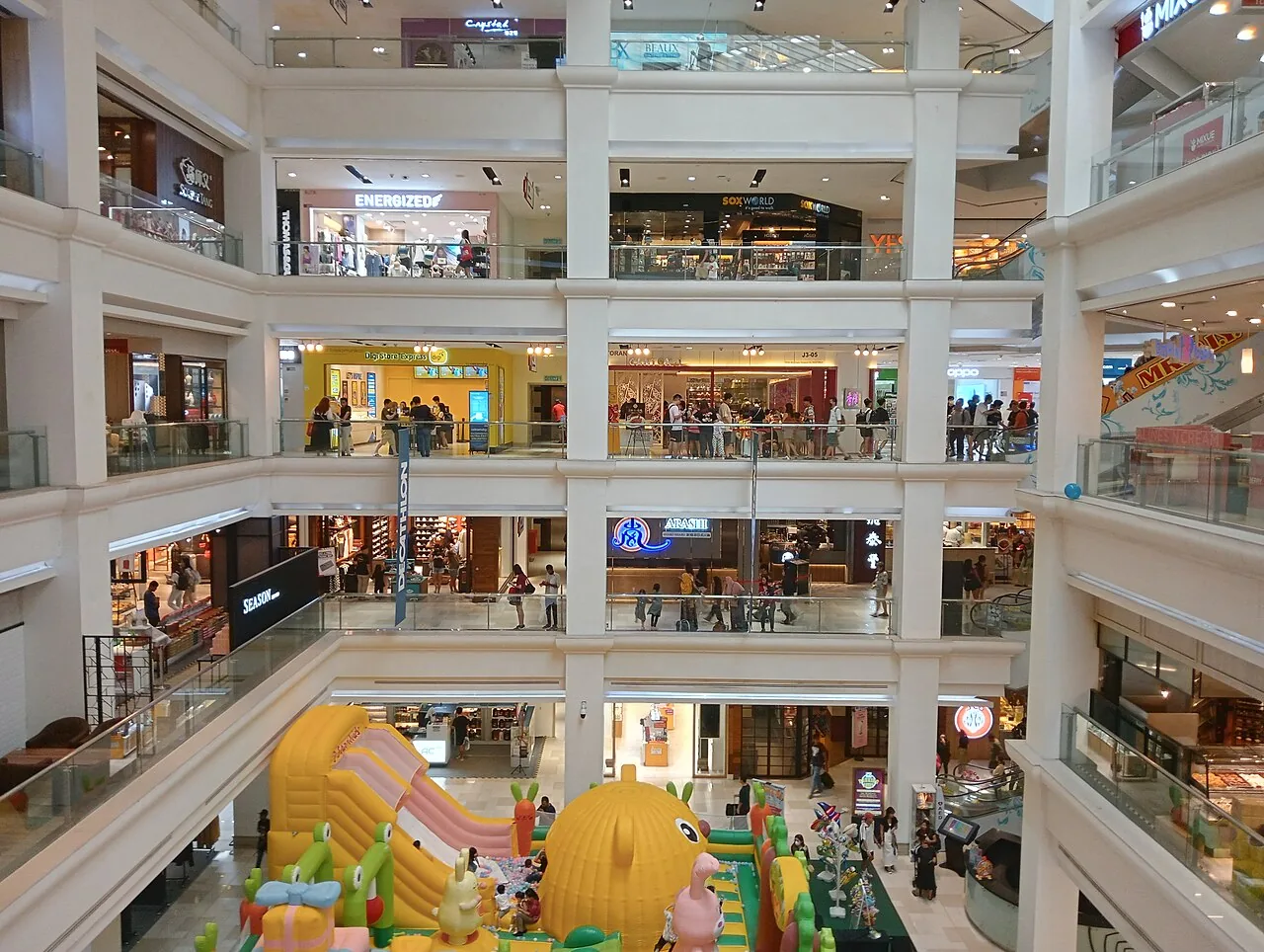
Shopping is the number-one reason people cross. The most convenient is City Square, connected to the JB checkpoint; for bigger, cheaper hauls head to KSL CityMap, Mid Valley SouthkeyMap, ToppenMap (with IKEA), Paradigm or AEON.
| Mall | Good for | From the checkpoint |
|---|---|---|
| City Square | Everyday shopping, food, money changer | Next to JB CIQ (walkable) |
| KSL City | Value shopping, SOGO, BookXcess, rooftop water park | Short ride |
| Mid Valley Southkey | Upmarket & branded stores | ~15 min by car |
| Toppen | IKEA & homeware | West side, nearer Second Link |
| Paradigm | Fashion, supermarket, food court | ~15 min by car |
| AEON malls | Groceries, family, everyday | Several locations |
| SKS City / JBCC (2026) | Trendy young brands, indoor playground | Central JB |
City Square is the obvious first stop — it’s right next to JB CIQ, so you can shop, eat and change money without arranging further transport. KSL City Mall, a short ride away, is a long-time favourite for its value, with a SOGO department store, the huge BookXcess bookstore, plenty of food, a cinema, massage outlets and even a rooftop water park.
For a more upmarket day, Mid Valley Southkey has higher-end and branded stores alongside endless eateries. Toppen Shopping Centre houses an IKEA and is great for homeware; Paradigm MallMap and the AEON malls round out the options with supermarkets, fashion and food courts. The newest addition is SKS City / JBCC, opened in 2026 and aimed at a younger crowd with viral brands and an indoor playground.
Whatever you choose, the pattern is the same: cheaper fashion and goods than Singapore, generous food courts, and supermarkets worth a grocery run before you head home.
9. LEGOLAND and other attractions
JB’s headline attraction is LEGOLAND MalaysiaMap — a theme park, water park and Miniland in one — best treated as a full day of its own. Beyond it, there’s a walkable heritage old town and a couple of striking landmarks.
LEGOLAND Malaysia sits in Iskandar Puteri, nearer the Tuas Second Link than the Causeway. It packs dozens of rides, a water park with around twenty slides, and a Miniland recreating Asian landmarks from millions of bricks — a clear winner for families with younger kids. Because it’s a fair distance from central JB, the easiest approach is a direct cross-border coach or a private transfer, and an early start.
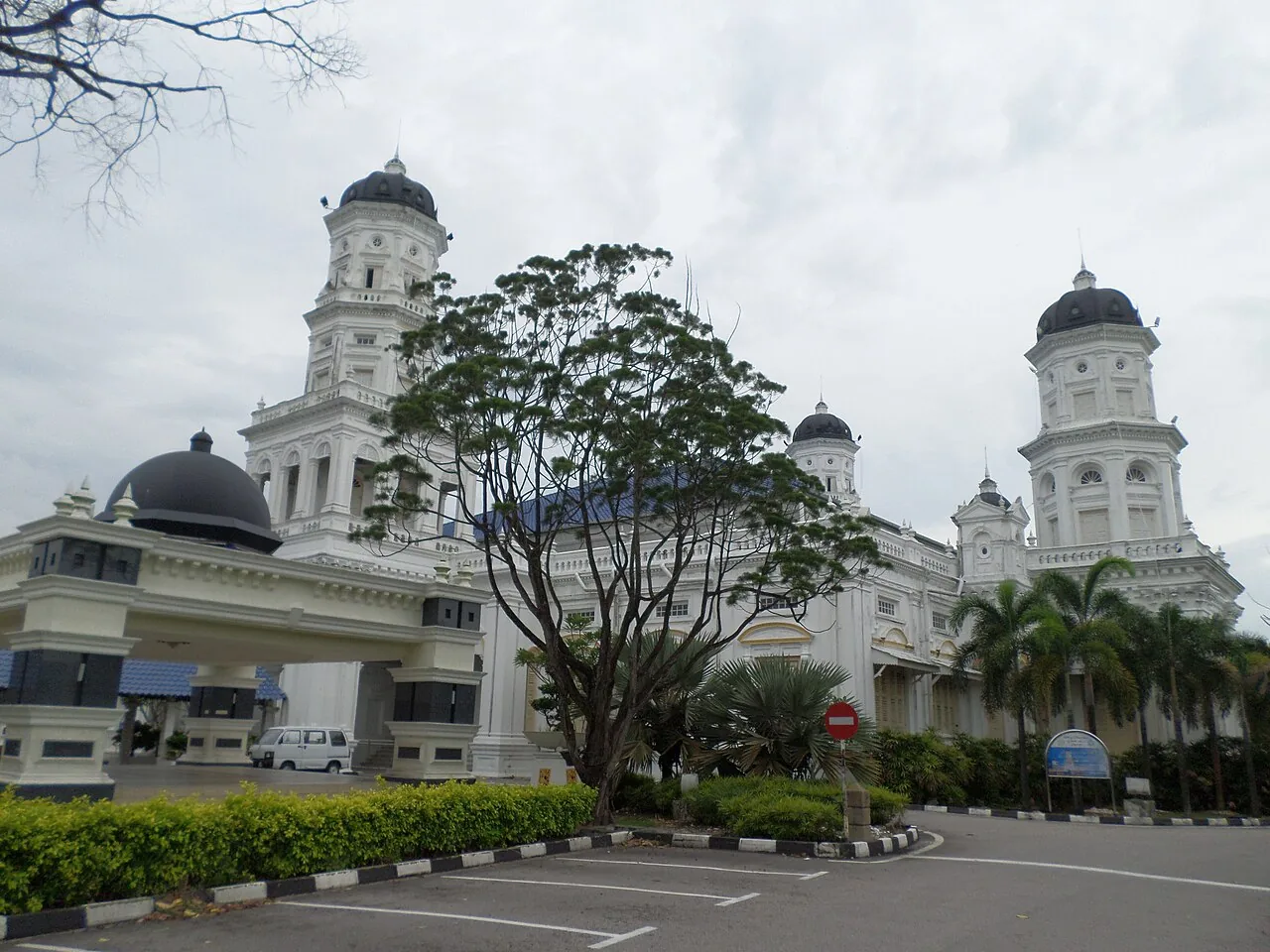
If you’d rather stay near the city, JB’s old town around Jalan Tan Hiok NeeMap is a pleasant wander of heritage shophouses, cafés and the beloved Hiap Joo BakeryMap with its wood-fired banana cake. The grand Sultan Abu Bakar State MosqueMap and the historic JB Old Chinese Temple add a dose of culture, and there are art murals and night markets if you time it right.
10. Eating in JB: cheap, good and everywhere
Food is half the reason to cross. JB delivers Malaysian hawker classics, fresh seafood and café culture at prices that feel like a discount on Singapore — and you’ll find it in mall food courts, old-town kopitiams and bustling night spots.
Start where you land: the food courts in City Square and KSL are quick, varied and cheap, good for a first meal while you change money and get your bearings. For something more local, the old town kopitiams serve kaya toast, kopi and Hainanese classics, and Hiap Joo’s banana cake is worth queuing for. Seafood lovers head to JB’s seafood restaurants for steamed fish, chilli crab and butter prawns at a fraction of Singapore prices.
If you love Singapore’s hawker scene, you’ll feel right at home — and if you haven’t dug into it yet, our Singapore hawker food guide covers the dishes that cross the border too. Bring an appetite and pace yourself; the portions and prices encourage ordering one more thing.
11. Massage, spa and getting pampered for less
Affordable massages and beauty services are a quiet highlight of a JB day. Foot reflexology, full-body massage, nails and hair all cost a fraction of Singapore prices, and most malls have several reputable outlets.
It’s the kind of treat that turns a shopping day into a proper reset. A foot or full-body massage after a morning of walking is the classic move, and you’ll find chains and standalone spas in City Square, KSL and the bigger malls. Nails, lashes, hair and facials are all popular and cheap by Singapore standards.
Stick to outlets inside malls or in busy, well-reviewed locations, and check prices before you start. As anywhere, give anything that looks unlicensed or pushy a miss — the mainstream mall spas are plentiful, comfortable and easy to trust.
12. What to buy and bring back
Beyond fashion, JB is popular for cheap groceries, snacks and souvenirs. Bulk supermarkets, local snacks and JB’s famous pineapple tarts are the things day-trippers load up on — within Singapore’s customs limits.
For groceries, big-box stores like NSK Trade City, Lotus’s and the AEON supermarkets draw Singaporeans for bulk buys at noticeably lower prices — snacks, drinks, household goods and pantry staples. For edible souvenirs, JB is known for pineapple tarts (Yumido and Ming Ang are favourites), keropok (crackers), peanuts and local sauces and snacks. Traditional crafts, batik and textiles make nicer keepsakes if you want something less perishable.
13. Singapore customs: what you can (and can’t) bring home
This is where day-trippers slip up. On a trip under 48 hours you get GST relief on up to S$100 of new goods. There is no duty-free alcohol allowance arriving from Malaysia by land, and Singapore gives no cigarette allowance at all — every stick is dutiable. Declare anything over the limits.
| Item | Allowance back in Singapore | Notes |
|---|---|---|
| New goods (GST relief) | Up to S$100 if away under 48h; S$500 if 48h or more | Declare anything above |
| Alcohol | None arriving from Malaysia by land | That cheap bottle isn’t actually duty-free |
| Cigarettes / tobacco | None — every stick is dutiable | Bringing them in undeclared is a serious offence |
| Fresh meat & some produce | Restricted | Subject to Singapore food-agency rules |
The GST relief covers new purchases — souvenirs, snacks, clothes — up to S$100 if you’ve been away less than 48 hours (most day trips), or up to S$500 for 48 hours or more. Anything above that is taxed at the prevailing GST rate and must be declared.
The two things that catch people: alcohol — there’s no duty-free allowance when you arrive from Malaysia overland, so that cheap bottle isn’t actually duty-free — and tobacco, where Singapore offers no allowance ever and taxes every single cigarette; bringing them in undeclared is a serious offence with stiff penalties. Fresh meat and some produce are also restricted by Singapore’s food agency. If you’re carrying anything borderline, use the red channel and declare it — the fines for not declaring dwarf any saving.
14. Staying connected, safe and sane: practical tips
Sort mobile data before you cross, keep your valuables close in checkpoint crowds, and build the trip around the border timing. A few small habits make a JB day smooth instead of stressful.
Data: your Singapore SIM may roam in Malaysia at a cost, but the cheap, reliable option is a Malaysia (or regional) eSIM you install before you leave — it switches on the moment you cross, so maps, Grab and messaging all just work. Safety: JB is fine with normal city sense — stay in busy, well-lit areas, mind your bag, don’t flash cash, and use licensed transport or a ride-hailing app rather than unmarked cars.
Timing: decide your return crossing before you relax into the day, especially on Sundays and holidays, so the queue home doesn’t ambush you. And keep your passport, tickets and a little cash somewhere quick to reach — you’ll be pulling them out several times. If JB is part of a longer regional hop, our Singapore layover guide and eSIM guide are handy companions.
15. Sample day-trip plans
Two easy templates: a relaxed shopping-and-food day near the checkpoint, or a full LEGOLAND day for families. Both start early to beat the queues.
Shopping & food day (no car needed): Cross early by bus or train to JB CIQ. Start at City Square to change money and have a first meal, then taxi or Grab to KSL City for value shopping, a cheap massage and lunch. Do a grocery run at AEON or NSK in the afternoon, grab pineapple tarts for the trip home, and aim to re-cross before the evening peak.
LEGOLAND family day: Cross early — ideally via the Second Link or a direct coach — and head straight to LEGOLAND for opening. Spend the day across the theme park and water park, eat inside, and leave with enough buffer to clear the border before the Sunday/holiday rush if it applies. Keep this one to LEGOLAND only; combining it with central JB shopping in one day is a stretch.
Whatever you pick, the formula is the same: cross early, keep an eye on the clock for the return, and let JB’s prices do the rest. For everything on the Singapore side, start with our Singapore travel guide.