
Singapore Hawker Food Guide: What, Where and How to Eat
The complete beginner’s guide to hawker centres, must-try dishes, kopi ordering, etiquette and the best food halls on the island Why the English at the stalls sounds the way it does is covered in what language they speak in Singapore.
| UNESCO status | Inscribed as Intangible Cultural Heritage on 16 December 2020, Singapore’s first |
|---|---|
| Typical price | S$3.50 to S$7 per plate; a full meal with a drink usually under S$10 |
| Michelin star | Hill Street Tai Hwa Pork NoodleMap is the only one-star hawker stall |
| Tray return | Legally required at hawker centres since 1 September 2021 |
| Payment | SGQR cashless at most stalls, but carry small cash; no tipping |
| Best for first-timers | Maxwell Food CentreMap in Chinatown |
| Beat the queues | Arrive by 11:30 for lunch and 17:30 for dinner |
| How many | More than 120 hawker centres across the island |
1. Why hawker centres are the heart of Singapore food
2. How a hawker centre works, step by step
3. The must-try dishes
4. More hawker classics worth hunting down
5. Breakfast and desserts: kaya toast to chendol
6. How to order kopi like a local
7. Paying: cashless, cash and no tipping
8. The best hawker centres, and who each is for
9. Michelin stars and famous stalls
10. A one-day hawker crawl
11. Halal, vegetarian and allergy-friendly eating
12. Etiquette and unwritten rules
13. When to go and how to beat the crowds
14. Prices and value: eating well for less
15. Practical tips for first-timers
16. Wrapping up and what to do next
Hawker centres are Singapore’s open-air communal food courts, where dozens of specialist stalls sell dishes for S$3.50 to S$7, and they are the single best way to eat well in the city on any budget. This guide covers everything a first-timer needs: what the must-try dishes are, how to order kopi like a local, which food centres to head for, and the small rules (like returning your own tray) that keep the whole system running. Eat here and you will taste the real Singapore for a fraction of restaurant prices. For the bigger picture of your trip, start with our complete Singapore travel guide.
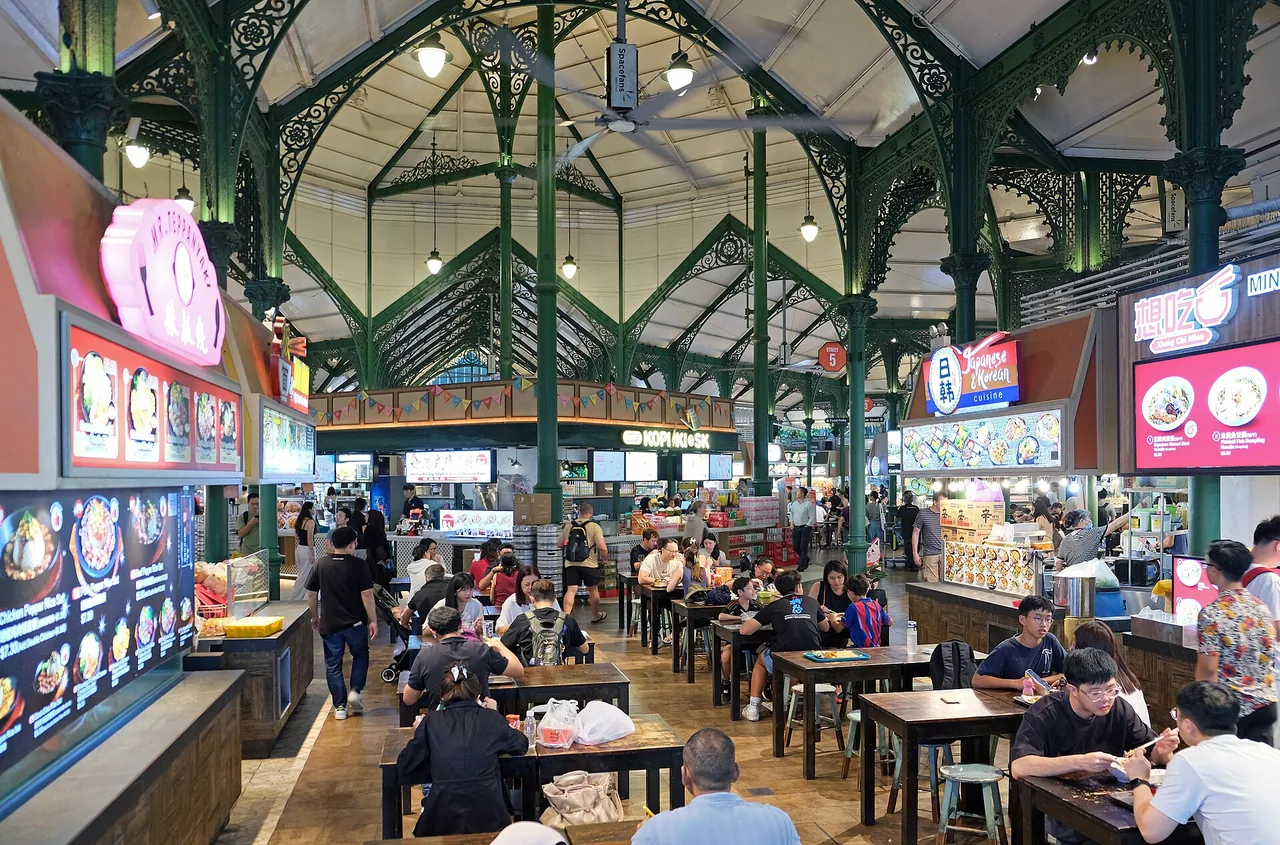
1. Why hawker centres are the heart of Singapore food
Hawker centres are the beating heart of how Singapore eats: open-air halls of specialist stalls that serve UNESCO-recognised, Michelin-quality food at some of the lowest prices anywhere in the world.
In December 2020, Singapore’s hawker culture became the country’s first entry on the UNESCO Representative List of the Intangible Cultural Heritage of Humanity. The nomination described these places as ‘community dining rooms’, shared spaces where people of every income and background eat elbow to elbow.
The value is genuinely remarkable. Most plates cost between S$3.50 and S$7, yet one stall, Hill Street Tai Hwa Pork Noodle, has held a Michelin star while charging hawker prices. Nowhere else does world-class food cost so little.
There is a bittersweet side worth knowing. The median hawker is around 59 years old, and many wonder who will take over the woks as this generation retires, since the hours are long and the margins thin. Every meal you eat here is a small vote for a living, fragile tradition.
2. How a hawker centre works, step by step
Ordering at a hawker centre is self-service: you find a seat, order and pay at each individual stall, carry your own food, and return your tray when you are done.
Unlike a restaurant, there is no single menu and no waiter. Each stall is its own tiny business, so a table of four might carry back chicken rice, laksa, satay and a plate of carrot cake from four different stalls. Here is the flow:
- Walk and scan. Do a lap first. Look for long local queues and stalls with quick turnover, which usually signals fresh, popular food.
- Chope a seat. At busy times, reserve a spot by placing a packet of tissues or an umbrella on a chair before you order. Sharing tables with strangers is completely normal.
- Order at the stall. Queue at each stall, point if you are unsure of the name, and say ‘less spicy’ if you want to dial down the heat. Note your table number if the stall asks for it.
- Pay and carry. Pay by SGQR or cash and carry your own tray back to your seat. Most stalls serve fast, so keep small notes ready.
- Return your tray. When you finish, clear everything to the tray-return station, sorting halal and non-halal trolleys where marked.
3. The must-try dishes
If you only try a handful of dishes, make them Hainanese chicken rice, char kway teow, laksa, satay, Hokkien mee and bak chor mee, the core of the Singapore hawker canon.
| Dish | What it is | Price |
|---|---|---|
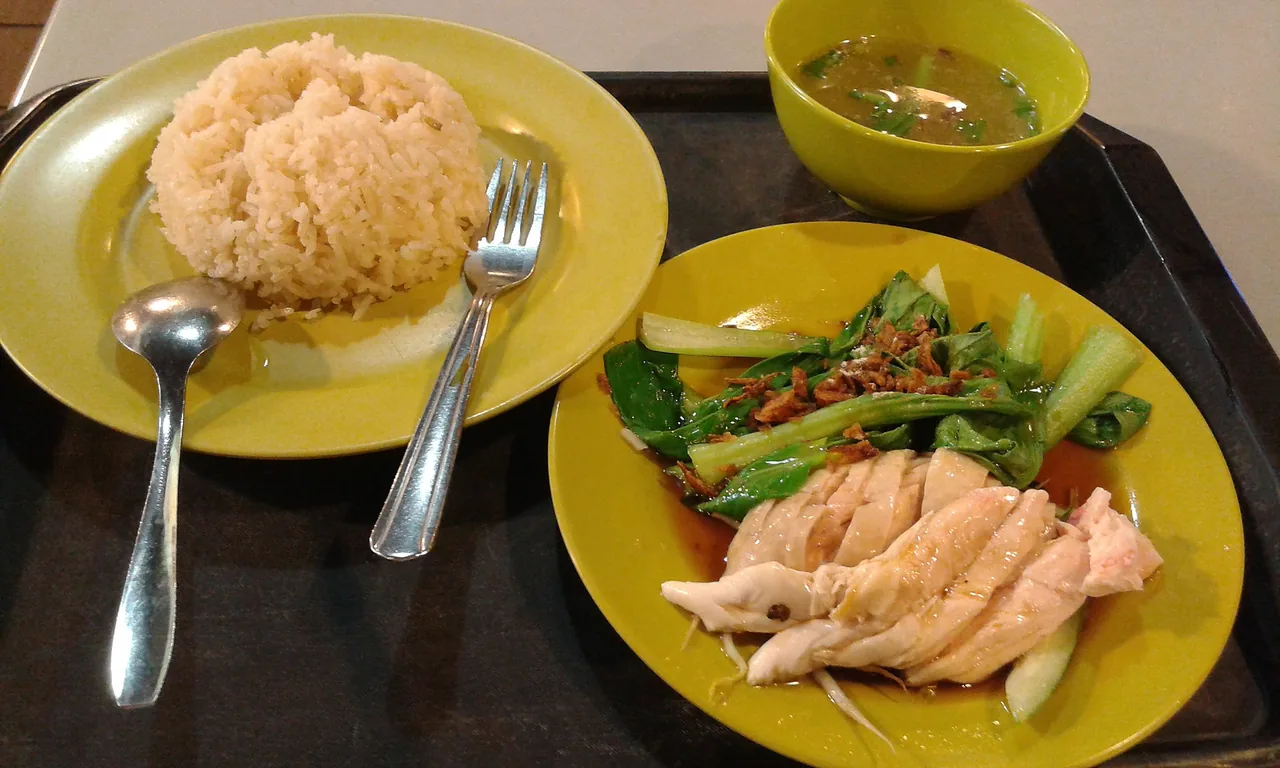
| Hainanese chicken rice | Poached or roasted chicken with rice cooked in chicken fat, chilli, ginger and dark soy | S$4 to S$6 |
| Laksa | Rice noodles in a spicy coconut curry broth with prawns, fishcake and tau pok | S$5 to S$7 |
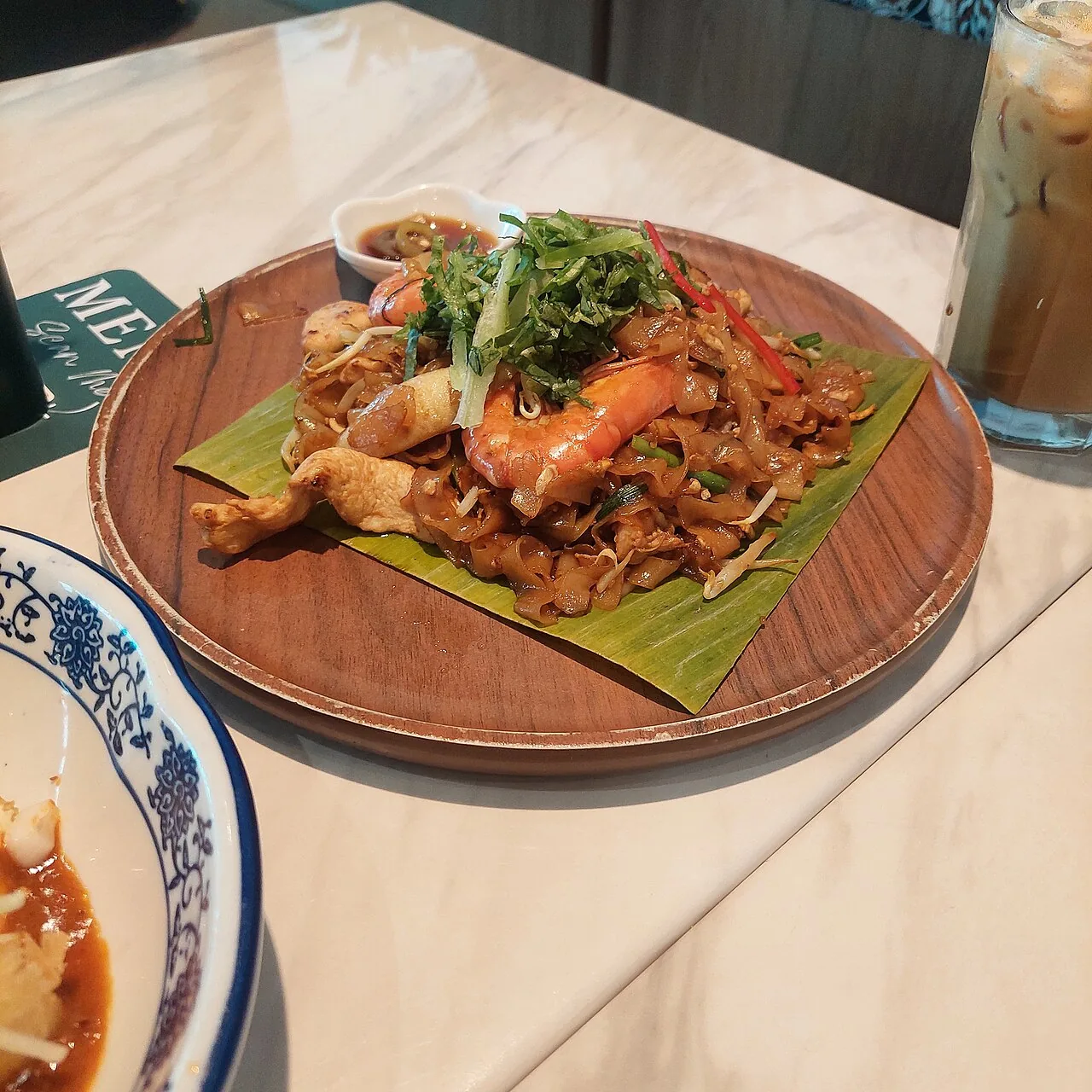
| Char kway teow | Flat rice noodles seared over high heat with egg, Chinese sausage, cockles, chives and dark soy | S$4 to S$6 |
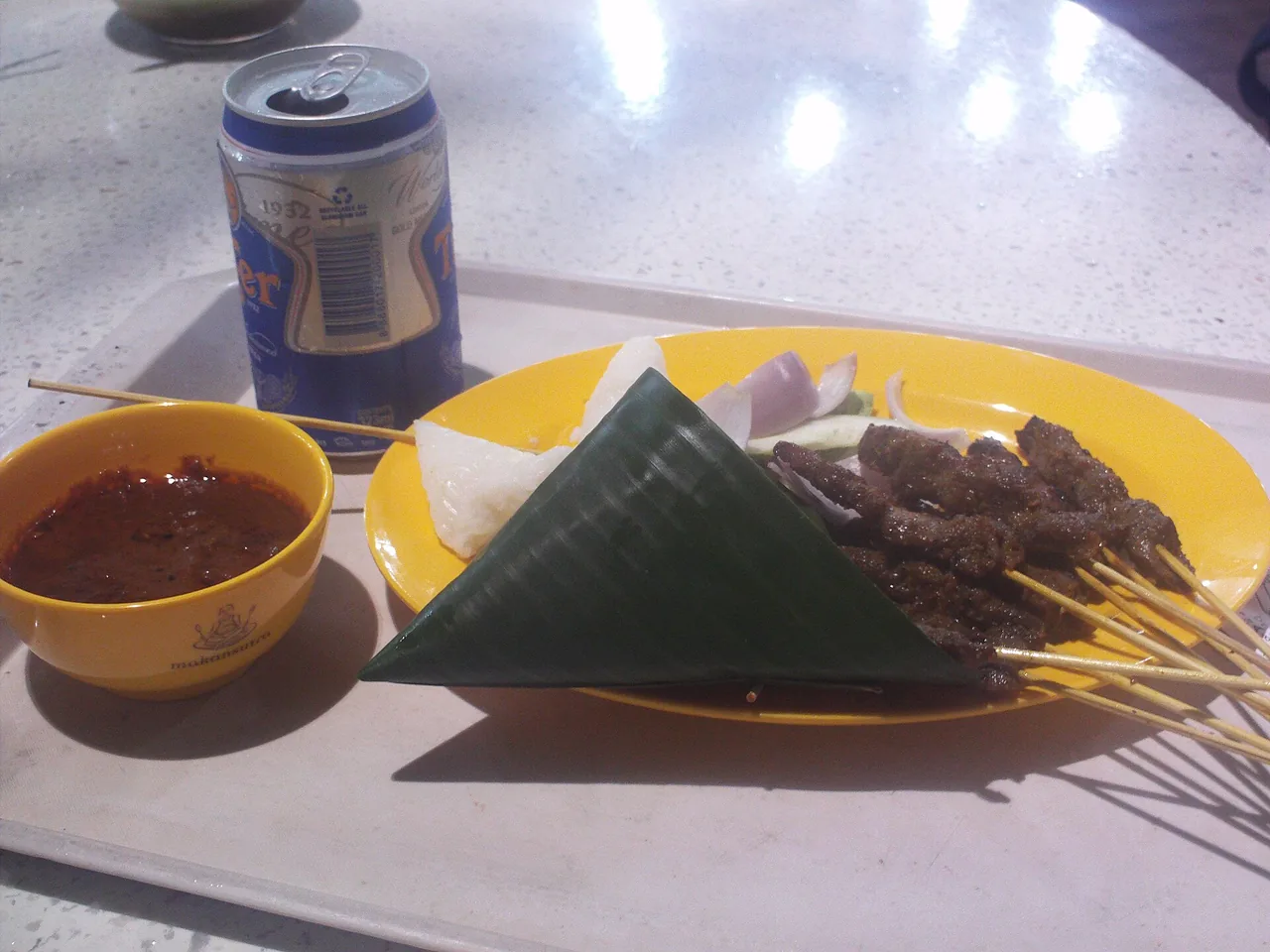
| Satay | Charcoal-grilled meat skewers with peanut sauce, ketupat and cucumber | S$0.70 to S$0.90 per stick |
| Hokkien mee | Yellow and rice noodles fried in rich prawn and pork stock with squid, prawn and egg | S$5 to S$8 |
| Bak kut teh | Peppery pork rib soup, Teochew style clear and peppery or Hokkien style dark and herbal | S$6 to S$9 |
| Wanton mee | Egg noodles with char siew and wontons, tossed or in soup | S$4 to S$6 |
| Bak chor mee | Minced pork noodles with meatballs and liver in a tangy vinegar-chilli sauce | S$5 to S$8 |
Hainanese chicken rice
This is Singapore’s unofficial national dish: silky poached chicken served with rice cooked in chicken stock and fat, plus a fiery chilli-garlic sauce and grated ginger. It looks simple, which is exactly why locals argue endlessly over who does it best.
Laksa and char kway teow
Laksa is coconut-rich, spicy and deeply savoury; the Katong style cuts the noodles short so you can eat it with just a spoon. Char kway teow lives or dies on wok hei, the smoky char that only a screaming-hot wok can give, so seek out a stall with a fast, greasy queue.
Satay and the big noodle soups
Satay is best in the evening over charcoal, with the legendary spread being Satay Street outside Lau Pa SatMap. For heartier bowls, Hokkien mee delivers a briny prawn-stock hit, while bak kut teh warms you up with peppery pork ribs, dough fritters and Chinese tea. One name covers a clear peppery broth and a dark herbal one. The 3 styles and the 6 shops in the guide are set out in our guide to bak kut teh.
4. More hawker classics worth hunting down
Beyond the headline dishes, a huge world of hawker classics rewards the curious eater, from breakfast roti prata to fragrant nasi lemak and beyond.
Once you have the essentials under your belt, branch out. These are the dishes locals reach for again and again:
- Roti prata: flaky Indian-Muslim flatbread, a breakfast staple, served with curry for dipping.
- Nasi lemak: coconut rice with sambal, fried anchovies, peanuts, egg and often fried chicken.
- Nasi padang: steamed rice with your pick of many Malay and Indonesian dishes from a display.
- Fish head curry: a whole fish head simmered in tamarind curry, an Indian-Chinese fusion classic.
- Chai tow kway (carrot cake): stir-fried radish cake with egg and preserved radish, in white or black (sweet dark soy) styles.
- Orh luak (oyster omelette): crisp-edged egg and starch omelette studded with oysters.
- Rojak: a tangy salad of fruit and vegetables in a pungent prawn-paste dressing.
- Popiah: soft fresh spring rolls filled with stewed turnip, egg and peanuts.
- Kway chap: broad flat rice sheets in a braised soy broth with pork offal.
- Prawn noodle (har mee): noodles in an intense prawn-and-pork stock.
- Duck rice, char siew rice, mee goreng, murtabak and biryani round out the roster.
5. Breakfast and desserts: kaya toast to chendol
The quintessential Singapore breakfast is a kaya toast set with soft-boiled eggs and kopi, and the classic dessert is chendol, a bowl of shaved ice with coconut milk and palm sugar.
The kaya toast set
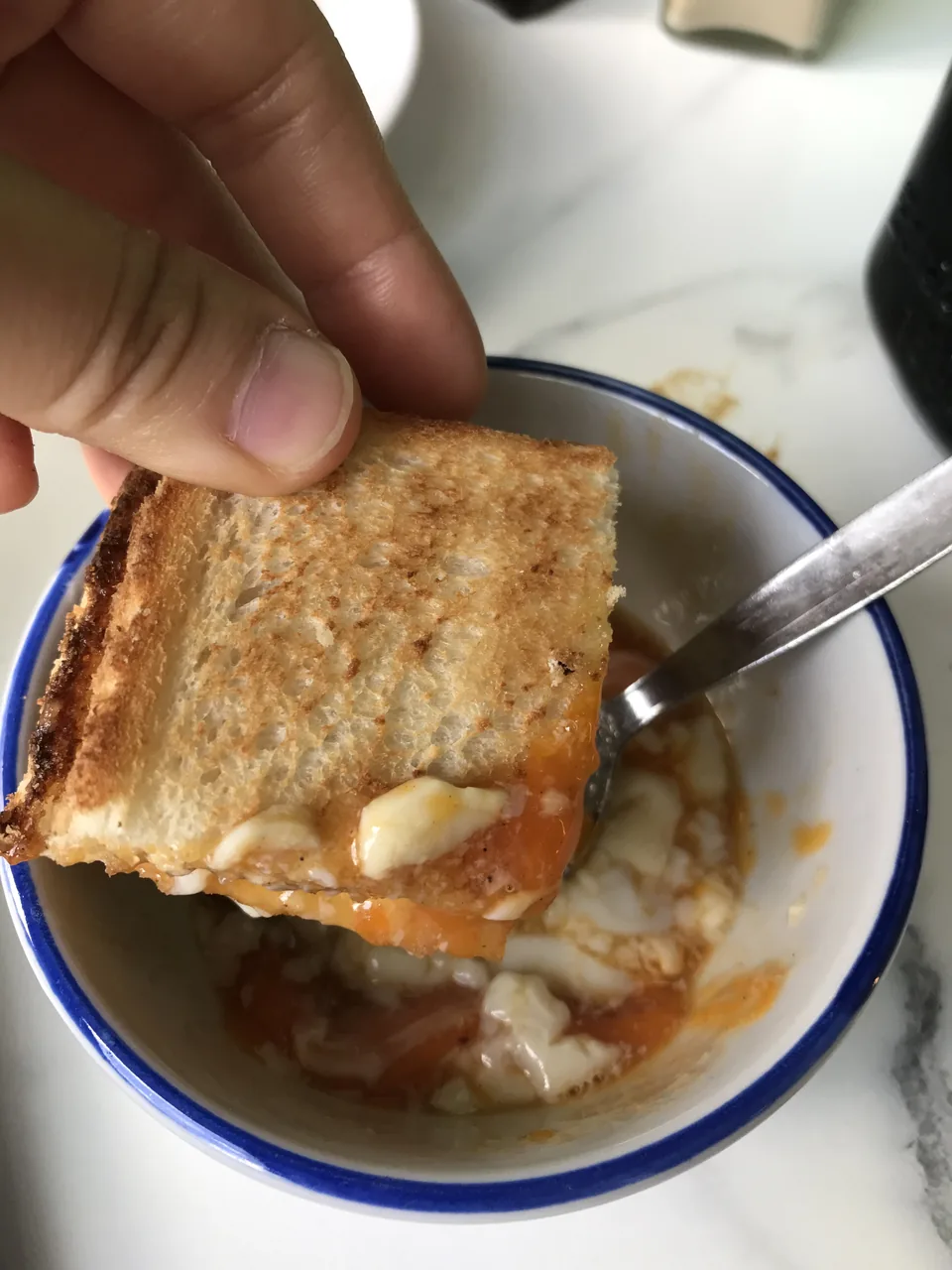
This is the local breakfast in one tray: toasted bread spread with kaya (a sweet coconut-egg jam) and a slab of butter, alongside two soft-boiled eggs and a cup of kopi. Crack the eggs into a saucer, add a dash of dark soy sauce and white pepper, and dip the toast in. It is simple, cheap and perfect.
Desserts to cool down
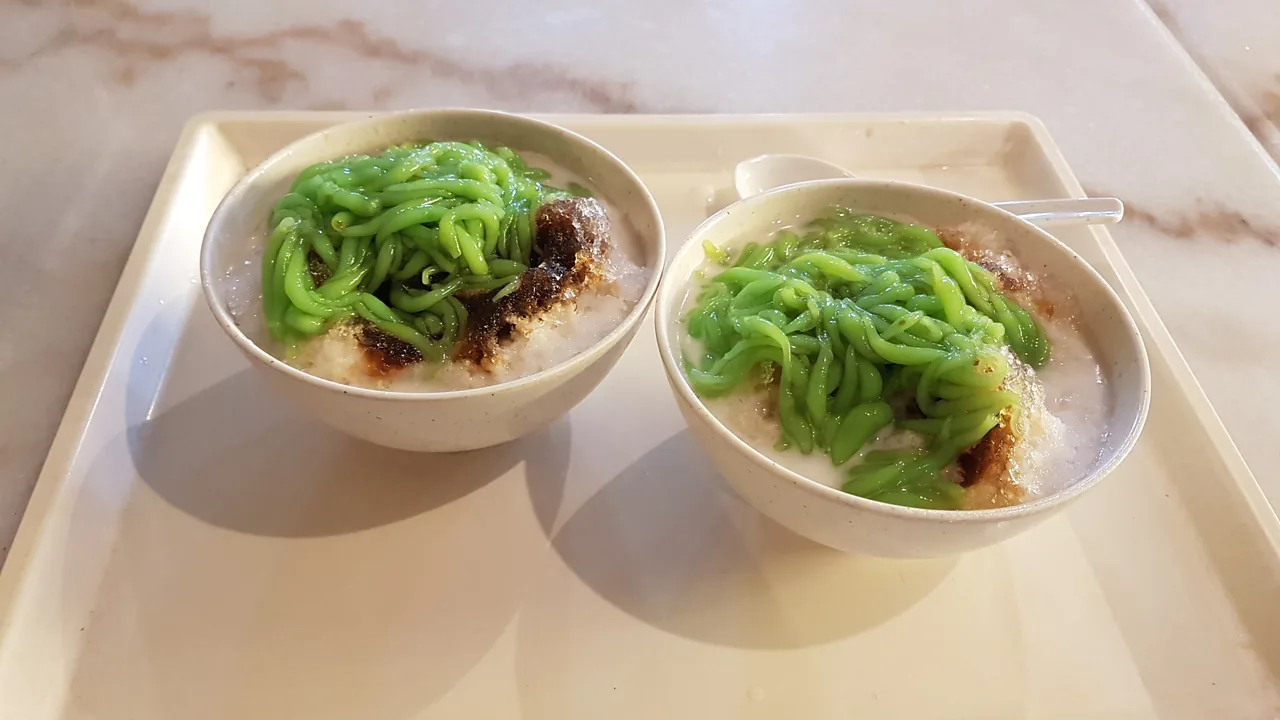
In a tropical climate, cold desserts are a way of life. Chendol tops shaved ice with coconut milk, gula melaka palm sugar and green pandan jelly, while ice kacang is a mountain of shaved ice over red beans, jelly and coloured syrups.
For something gentler, try tau huay (silky soybean pudding), bubur cha cha (sweet potato and yam in coconut milk) or cheng tng (a clear sweet soup of longan, barley and dried fruit). They are a great pause between savoury stops on a hot day.
6. How to order kopi like a local
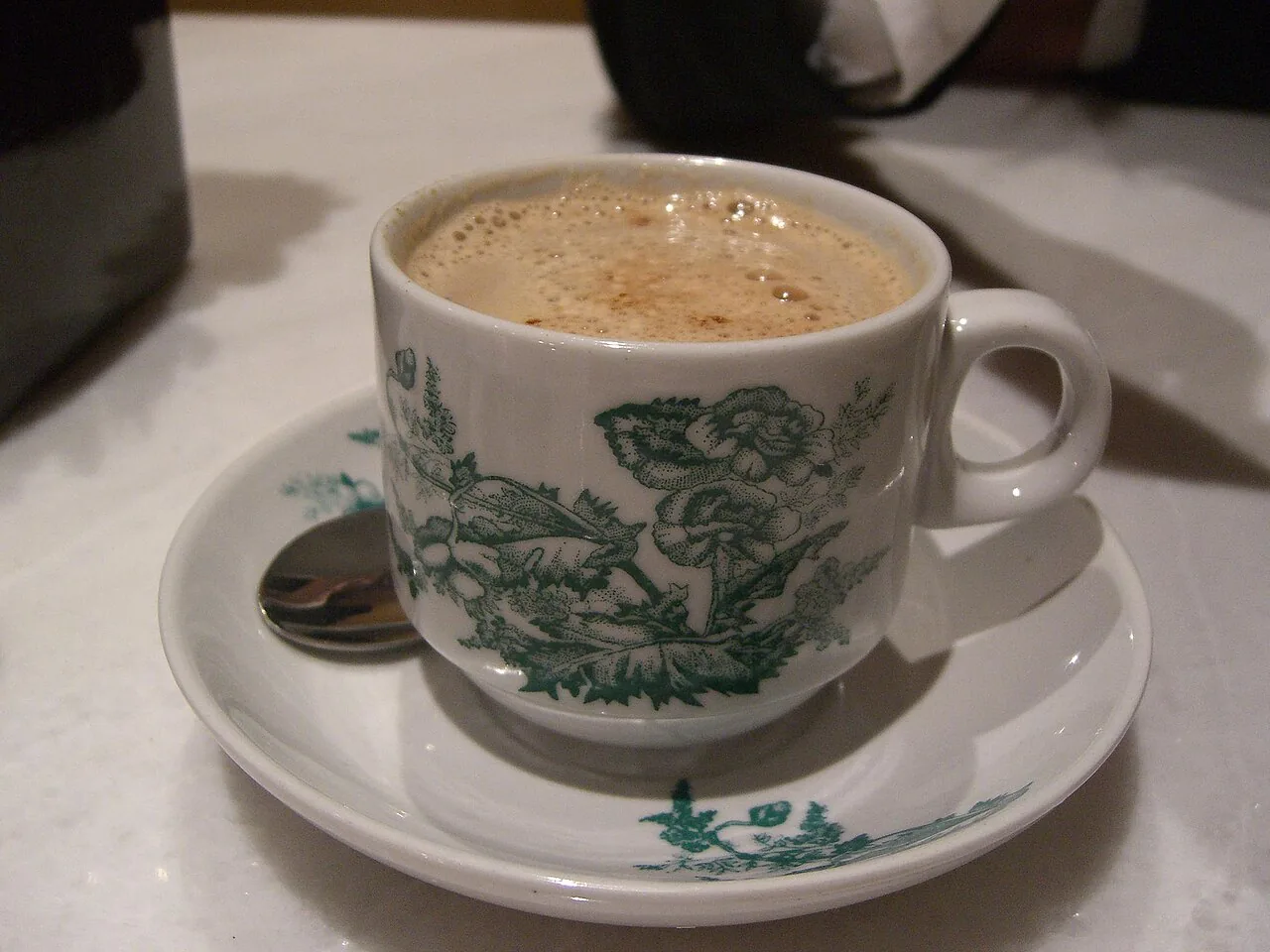
Kopi is coffee with condensed milk and sugar by default, and you customise it with a short vocabulary: O for black, C for evaporated milk, Kosong for no sugar, and Peng for iced.
Once you learn the code, ordering is fast and fun. Start with the base, then stack on modifiers as you like.
| Base order | What you get |
|---|---|
| Kopi | Coffee with condensed milk and sugar (the default) |
| Kopi-O | Black coffee with sugar (O means no milk) |
| Kopi-C | Coffee with evaporated (Carnation) milk and sugar (C for Carnation) |
| Modifier | Meaning |
|---|---|
| Kosong | No sugar (Kopi-O Kosong is black with no sugar) |
| Siew dai | Less sweet |
| Ga dai | Sweeter |
| Po | Weaker and thinner |
| Gao | Stronger and thicker |
| Peng | Iced (Teh-C Peng is iced tea with evaporated milk) |
| Dabao or takeaway | To go, traditionally tied in a thin plastic bag |
Tea follows exactly the same rules, so Teh is tea with condensed milk, Teh-O is black sweet tea, and so on. Beyond the basics, look out for teh tarik (frothy ‘pulled’ milk tea), Milo Dinosaur (iced Milo buried under Milo powder), bandung (rose-syrup milk) and yuan yang (coffee and tea mixed together).
7. Paying: cashless, cash and no tipping
Most hawker stalls now accept SGQR cashless payment, but you should still carry small cash, and there is no tipping anywhere.
The unified SGQR code lets you pay with PayNow, NETS or a mobile wallet at the great majority of stalls, and it is the fastest way to settle a bill. Just scan, enter the amount and show the confirmation.
Even so, keep a stash of small notes and coins. A handful of older or cash-preferred stalls do not take cards, and having exact change speeds up busy queues. You will also occasionally see cash-only signs at the most traditional stalls. Where cash is still required, and how many coins one payment may use, are covered in our guide to money in Singapore.
8. The best hawker centres, and who each is for
The right hawker centre depends on your plan: Maxwell Food Centre and Chinatown ComplexMap are the easiest for first-timers, Old Airport Road Food CentreMap is a locals’ classic, and Lau Pa Sat is the place for evening satay.
Use the table to pick a centre, then read the short profiles below. All are easy to reach on the MRT; see our Singapore MRT and transport guide for getting around.
| Centre | Area and MRT | Character | Best for |
|---|---|---|---|
| Maxwell Food Centre | Chinatown, Maxwell / Chinatown MRT | Central, clean, famous stalls | First visit |
| Chinatown Complex | Chinatown MRT | The biggest, around 260 stalls | Choice and a wet market |
| Old Airport Road Food Centre | Dakota MRT | Since 1973, dense with classics | Serious eaters |
| Lau Pa Sat | CBD, Raffles Place / Downtown MRT | Victorian cast-iron hall | Evening satay |
| Tiong Bahru MarketMap | Tiong Bahru MRT | Hip neighbourhood, strong breakfast | Morning eats |
| Amoy Street Food CentreMap | Tanjong Pagar / Telok Ayer MRT | CBD lunch powerhouse | Weekday lunch |
| Hong LimMap Market and Food Centre | Chinatown / Clarke QuayMap MRT | Michelin-level stall density | Noodle hunters |
| TekkaMap Centre | Little India MRT | Indian and Indian-Muslim food | Biryani and prata |
| Adam Road Food CentreMap | Near Botanic Gardens | Strong halal offering | Nasi lemak |
| Newton Food CentreMap | Newton MRT | Tourist-friendly, open late | Late-night seafood and satay |
| East Coast Lagoon Food VillageMap | East Coast Park (bus or taxi) | Beachfront, open-air BBQ | Sea breeze dining |
Maxwell Food Centre and Chinatown Complex
Maxwell Food Centre is the ideal first stop: central, tidy and home to Tian Tian Hainanese Chicken RiceMap at #01-10, its rival Ah TaiMap a few stalls away, and the crisp Maxwell Fuzhou Oyster CakeMap. A short walk away, Chinatown Complex is the island’s largest food centre with around 260 stalls above a basement wet market, and it is where you will find Hawker ChanMap and the excellent Lian He Ben Ji Claypot RiceMap. The ten places in the MICHELIN Guide, what a plate costs and which days each one shuts are set out in our guide to Hainanese chicken rice.
Old Airport Road, Lau Pa Sat and Tiong Bahru Market
Old Airport Road Food Centre, open since 1973, is a locals’ favourite packed with over 150 stalls, including Lao Fu Zi Fried Kway TeowMap, Nam Sing Hokkien Fried MeeMap and To-Ricos Kway ChapMap. Lau Pa Sat, a beautiful Victorian cast-iron hall in the CBD, comes alive when Boon Tat Street closes to traffic each evening around 7pm and becomes the smoky Satay Street. Tiong Bahru Market, in its hip namesake neighbourhood, is a breakfast champion thanks to Jian Bo Tiong Bahru Shui KuehMap and the prawn noodles at Hong HengMap.
Amoy Street, Hong Lim, Tekka and beyond
In the CBD, Amoy Street Food Centre draws weekday lunch crowds to stalls like the Bib Gourmand A Noodle StoryMap, while Hong Lim Market and Food Centre is a noodle-lover’s paradise, home to Tai Wah Pork NoodleMap. For Indian food, Tekka Centre in Little India serves outstanding biryani at Allauddin’sMap, and Adam Road Food Centre near the Botanic Gardens is known for the nasi lemak at Selera RasaMap. Rounding things out, Newton Food Centre is the tourist-friendly, late-opening spot made famous in Crazy Rich Asians, and East Coast Lagoon Food Village pairs satay and barbecue seafood with a sea breeze.
9. Michelin stars and famous stalls
Just one hawker stall holds a Michelin star, Hill Street Tai Hwa Pork Noodle, while many others carry the Bib Gourmand; Hawker Chan famously lost its star in 2021.
Singapore’s hawker scene is unusually well decorated for such humble food. Hill Street Tai Hwa Pork Noodle in Crawford Lane serves bak chor mee and remains the only hawker stall to hold a Michelin one-star, so expect a long queue.
The Hawker Chan story is often misreported, so get it right: this soya sauce chicken rice stall became the world’s first Michelin-starred hawker in 2016, but it lost the star in 2021. It is still cheap and famous, just no longer starred. Beyond these, dozens of stalls hold the Bib Gourmand, the guide’s badge for great value.
The Michelin Guide Singapore 2026 selection is due to be revealed on 4 August 2026, and locals will happily tell you the debate over the best chicken rice or laksa never truly ends.
10. A one-day hawker crawl
A perfect hawker day runs from a kaya toast breakfast to a chendol afternoon and finishes with satay at Lau Pa Sat after 7pm.
Here is an easy itinerary that lets you graze all day without overloading at any one stop. Come hungry and split dishes.
- Breakfast. Start with a kaya toast set and kopi at Tiong Bahru Market or in Chinatown.
- Mid-morning. Walk it off with a stroll through the neighbourhood or a wet market before the lunch rush.
- Lunch. Head to Maxwell for chicken rice, or to Hong Lim for a bowl of noodles. Arrive by 11:30 to beat the queues.
- Afternoon dessert. Cool down with a bowl of chendol or ice kacang during the quiet mid-afternoon lull.
- Dinner. Finish at Lau Pa Sat, where Satay Street fires up around 7pm for charcoal skewers under the stars.
Want a hand mapping it out with the rest of your days? See our suggested Singapore itineraries.
11. Halal, vegetarian and allergy-friendly eating
Halal food is easy to find at Malay and Indian-Muslim stalls marked with the green MUIS Halal certificate, and larger centres usually have at least one Buddhist vegetarian stall.
For halal eating, look for the official green MUIS Halal logo displayed at the stall. Malay and Indian-Muslim dishes like nasi lemak, nasi padang, mee rebus, roti prata, biryani and satay are widely halal, and the best areas are Kampong GlamMap, GeylangMap Serai, Adam Road Food Centre and Tekka. Be aware that some Chinese stalls handle pork, so always check the certificate rather than assume.
Vegetarians are well served too. Most big centres have a Buddhist vegetarian stall, and Little India offers Indian vegetarian thali and dosa.
12. Etiquette and unwritten rules
The key hawker etiquette is simple: chope a seat with tissues, queue at each stall, share communal tables, do not tip, and always return your own tray.
Hawker centres run on a shared set of unwritten rules that keep the crowds moving smoothly. Once you know them, you will blend right in.
- Chope your seat: reserve a chair with a packet of tissues or an umbrella before you queue.
- Share tables: sitting with strangers at a communal table is completely normal.
- Queue per stall: each stall has its own line, and the longest queues usually point to the best food.
- Self-service: carry your own food and, by law, clear your own tray afterwards.
- No tipping: the price on the sign is what you pay.
13. When to go and how to beat the crowds
Aim for 11:30 at lunch and 17:30 to 18:00 at dinner to beat the peak, and remember that many popular stalls sell out and close by mid-afternoon.
Timing your visit well is the difference between a five-minute wait and a thirty-minute one. Use this rough guide to the rhythm of a hawker day.
| Time | Scene | Advice |
|---|---|---|
| Morning | Breakfast stalls busy, others opening | Great for kaya toast and prata |
| Lunch peak (12 to 1) | Busiest, long queues in CBD centres | Arrive by 11:30 to get ahead |
| Mid-afternoon | Quiet, some stalls sold out or closed | Ideal for a relaxed dessert |
| Dinner (from 5:30) | Second rush, Satay Street opens | Arrive by 17:30 to 18:00 |
14. Prices and value: eating well for less
A hawker meal costs just S$4 to S$8, which makes hawker centres the single biggest way to stretch your budget in Singapore.
Few cities let you eat this well for so little. Here is what your money buys.
| Item | Typical price |
|---|---|
| Chicken rice | S$4 to S$6 |
| Noodle dishes | S$4 to S$7 |
| Satay | S$0.70 to S$0.90 per stick |
| Kopi or teh | S$1.50 to S$2.50 |
| Dessert (chendol, ice kacang) | S$2.50 to S$4 |
| Full meal with a drink | Usually under S$10 |
Because dishes are so cheap, hawker centres are the easiest lever for a low-cost trip. For more ways to save across your whole holiday, see our Singapore on a budget guide, and note that food centres are also a brilliant, low-cost option when travelling with kids.
15. Practical tips for first-timers
Come hungry, follow the local queues, order across several stalls, ask for ‘less spicy’ if you are unsure, and keep small change and tissues on hand.
A few practical habits make hawker centres far less intimidating on your first visit:
- Come hungry and share: order a few dishes across stalls so you can taste more.
- Follow the locals: a long local queue is the most reliable sign of a great stall.
- Point and order: it is completely fine to point at what you want if you do not know the name.
- Manage the heat: say ‘less spicy’, and remember chilli and sambal usually come on the side.
- Be prepared: carry small change and a packet of tissues, both for chope-ing seats and for napkins.
- Be adventurous: pick one dish you have never heard of on every visit.
Many centres are open-air, so a passing tropical shower is easy to wait out under the roof; see our rainy day Singapore guide for more wet-weather ideas. A little mobile data also goes a long way for maps, reviews and translating stall signs on the spot.
16. Wrapping up and what to do next
With the dishes, the ordering lingo, the etiquette and the best centres under your belt, you are ready to eat your way across Singapore with confidence.
Keep this quick checklist in mind before your first hawker meal:
| Before you eat | Sorted? |
|---|---|
| Chope a seat with tissues at busy times | Yes |
| Carry small cash as well as a payment app | Yes |
| Order across several stalls and share | Yes |
| Ask for ‘less spicy’ if unsure | Yes |
| Return your own tray (it is the law) | Yes |
From here, go deeper: our Michelin and Bib Gourmand hawker guide covers the star stalls, and our seafood guide handles chilli crab. For an open-air meal with a view, Satay by the BayMap sits right beside Gardens by the Bay.
Then plan the rest of your trip with our guides to where to stay, suggested itineraries and the best time to visit, or return to the complete Singapore travel guide for the full picture.
🎡Things to Do53
🍜Food5
🏨Where to Stay10
🚇Getting Around4
🧭Travel Tips20
Frequently asked questions
Plan the rest of your trip with our complete Singapore travel guide →