
Singapore to Desaru Coast: The Same Trip Costs SGD 70 or About SGD 10
The ferry sails four days a week, once a day, and the fuel surcharge is not in the headline fare. The land route costs a tenth as much and hands you the border queue instead. Which one you pick decides the rest of the day.
| Ferry days | Thursday to Sunday only, one sailing each way per day |
|---|---|
| Ferry times | Leaves Singapore at 10:10, leaves Desaru at 17:30. No time difference between the two |
| What a return really costs | SGD 108 on the price list plus SGD 12 fuel surcharge each way, so SGD 132. One way is SGD 70 |
| The land route | A cross border bus, then the JDX from JB Sentral at RM 15 and about 90 minutes |
| Waterpark | RM 58 with a Malaysian identity card, RM 110 without. Closed Tuesdays outside school and public holidays |
| Arrival card | Singapore citizens are exempt. Everyone else files the digital arrival card within three days |
1. The same crossing costs SGD 70 or about SGD 10
2. The ferry runs four days a week, once a day
3. In the monsoon the ferry may not go to Desaru at all
4. The land route is two buses and a tenth of the fare
5. Whether a day trip fits inside the timetables
6. The waterpark has two price lists
7. Inside the resort strip, and outside it
8. Four places to stay, and one of them changed its name this year
9. The paperwork depends on your passport, not your route
10. When to go, and when not to
1. The same crossing costs SGD 70 or about SGD 10
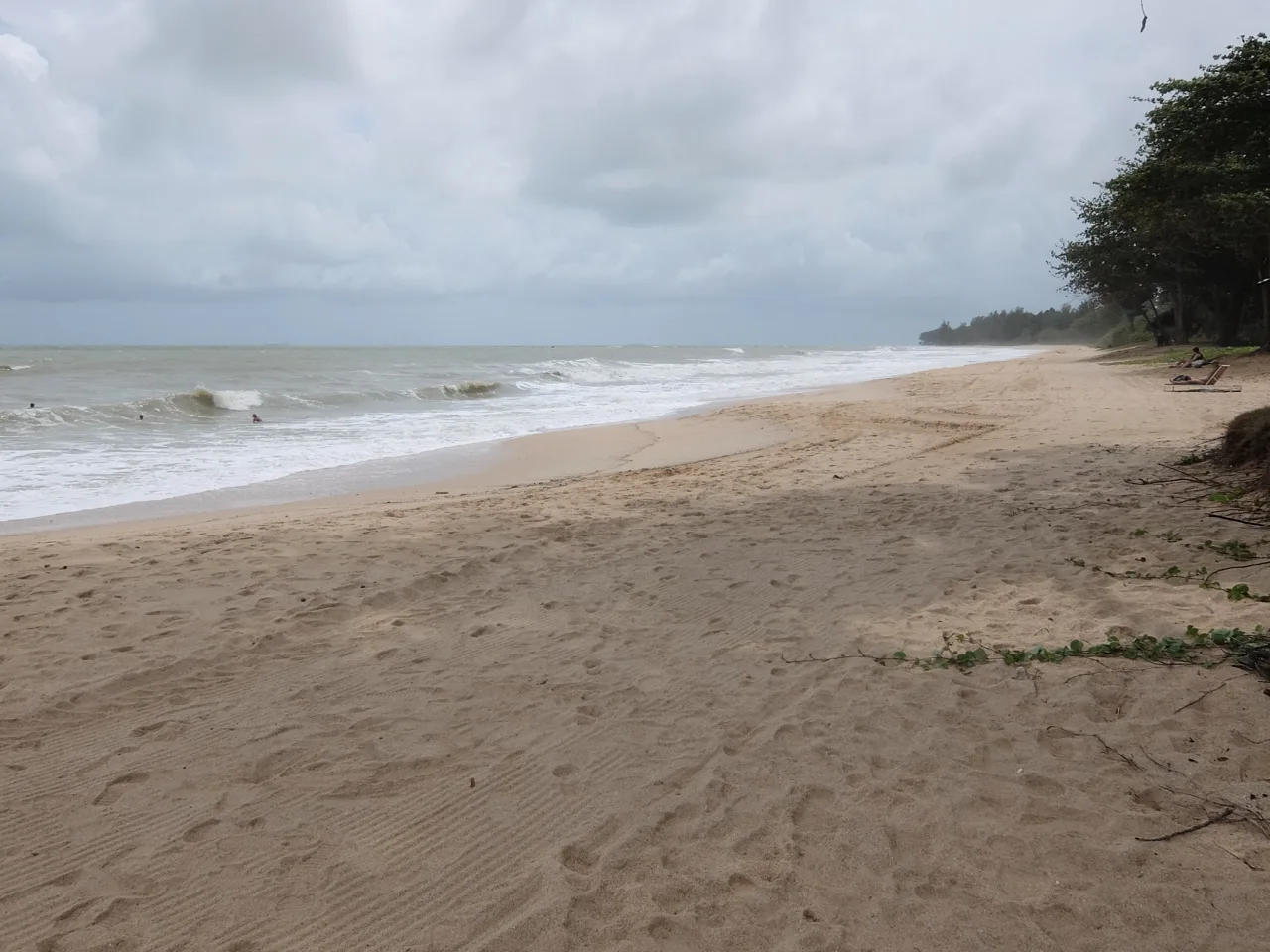
One way to Desaru is SGD 70 on the ferry and roughly SGD 10 on two buses. The distance is much the same. What separates them is whether you queue at a land border.
That is the whole decision, and it is worth making before you look at hotels, because the two routes produce different days. The ferry gives you a fixed window and no immigration hall. The buses give you a longer day, a much smaller bill, and two crossings whose length nobody can promise.
| Ferry | Cross border bus, then JDX | |
|---|---|---|
| One way, an adult | SGD 70 plus SGD 12 surcharge | Roughly SGD 10 in total |
| Days | Thursday to Sunday | Daily, but the JDX runs twice |
| Journey | About 90 minutes, one leg | About 90 minutes on the JDX, plus the border |
| Border | Immigration at the terminals, no queue on the road | Two checkpoints, from 30 minutes to a couple of hours |
| Arrives at | Inside Desaru Coast | Desaru Coast Riverside |
For two adults the ferry costs SGD 264 return and the buses cost about SGD 40. That is the number to hold in your head while reading the rest of this. Whether the difference is worth it depends entirely on how much of your weekend you are willing to spend in a queue.
2. The ferry runs four days a week, once a day
It leaves Tanah Merah at 10:10 and leaves Desaru at 17:30, Thursday through Sunday. There is no second sailing to fall back on.
Both countries keep the same clock, so those times need no adjusting. The crossing is about 90 minutes and lands you inside the Desaru Coast development rather than in a town, which is the real advantage: you step off and pick up a free shuttle to the resorts.
| Item | What the operator publishes |
|---|---|
| Return | SGD 108 |
| One way | SGD 70 |
| Fuel surcharge | SGD 12 each way, paid before departure |
| What an adult return really costs | SGD 132 |
| Child fare | None. The fare is the same for every age |
| Luggage | Large bags, golf bags and bicycles are charged separately |
Two things in that table catch people out. The first is the surcharge, which is not folded into the headline fare and is easy to miss when comparing against a bus ticket. The second is that there is no child fare at all, which makes a family of four SGD 528 return before anyone has bought a waterpark ticket.
One more warning about sources. Published guides to this route disagree with the operator on both the days and the surcharge, some listing five sailing days and a smaller fee. The timetable has moved before. Read it off the operator page in the week you book.
3. In the monsoon the ferry may not go to Desaru at all
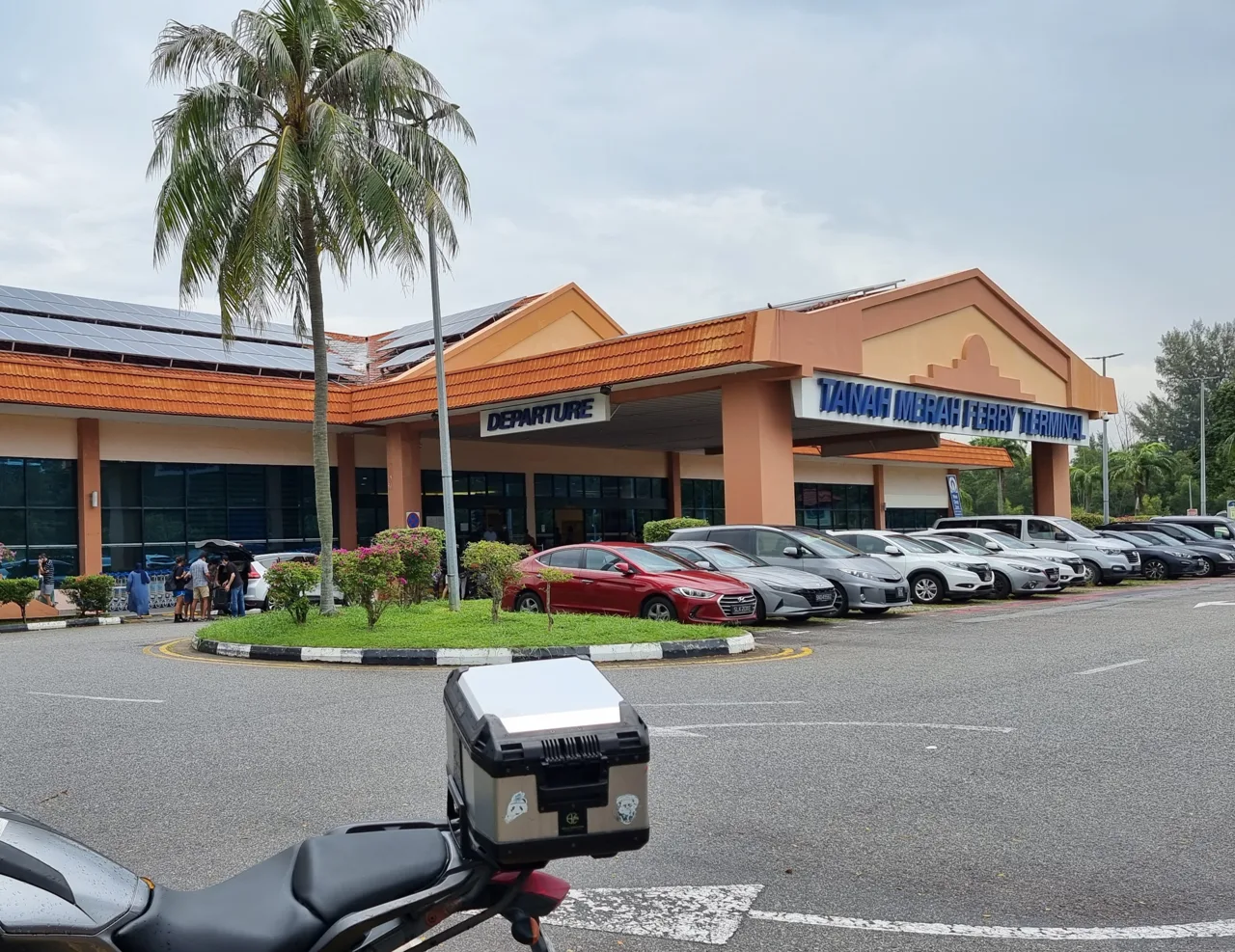
The operator publishes a diversion plan, and under it the boat runs to Tanjung Pengelih instead, with a coach covering the rest by road.
The reason given is sea conditions in the northeast monsoon, when the crossing becomes uncomfortable. The wording is unambiguous: while the plan is in force there are no direct sailings to or from the Desaru Coast terminal.
Read that against the fare and the trade changes shape. The case for paying SGD 132 rather than SGD 20 is that you avoid a road journey. If the diversion is running, you have paid the premium and are on a coach anyway, just a shorter one.
It does not mean avoiding the monsoon months, only that the ferry stops being the safe choice in them. If your dates fall in that window and the trip cannot move, the land route at least fails predictably. Which months carry the rougher weather is set out in the month by month guide.
4. The land route is two buses and a tenth of the fare
Cross to Johor Bahru on a Causeway Link service, then take the JDX from the JB Sentral bus bay straight to Desaru Coast Riverside. That second leg is RM 15 and about 90 minutes.
The cross border services run from Kranji station, Queen Street and Newton Circus. You clear Singapore and Malaysian immigration on the way, which is the part with no fixed duration, and pick the JDX up on the far side.
| Leg | Detail |
|---|---|
| Singapore to Woodlands | Causeway Link CW1 from Kranji, CW2 from Queen Street, CW5 from Newton Circus |
| Both checkpoints | Anywhere from half an hour to a couple of hours |
| JB Sentral to Desaru | JDX, RM 15, about 90 minutes |
| Departures towards Desaru | 08:30 and 14:30 |
| Departures back to JB Sentral | 11:30 and 17:00 |
The JDX timetable is the binding constraint, not the fare. Two departures each way means missing one costs you six hours, and the 14:30 out is too late to be useful on a day trip.
Driving is the third option and behaves like the bus with the waiting shortened. It is about 87 km on the Senai to Desaru Expressway, roughly an hour and three quarters of actual driving. A Singapore registered car needs a vehicle entry permit and a stored value card for the tolls, so it is not a decision to make at the checkpoint.
5. Whether a day trip fits inside the timetables
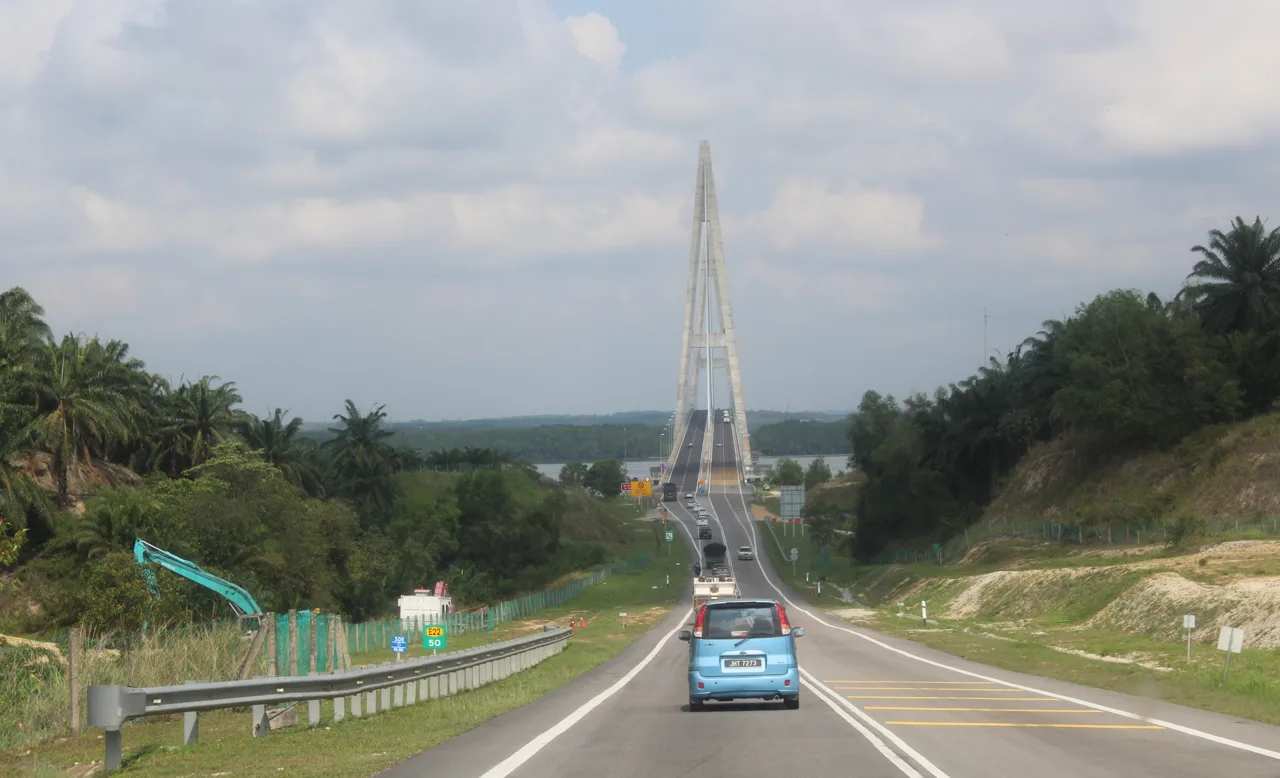
The ferry gives you about five and a half hours on the ground. The buses can give you closer to seven, if the border cooperates.
Line the two up and the ferry looks tighter than its price suggests. It lands around 11:40 and leaves at 17:30, and both of those are fixed. The bus day starts earlier and ends later, but the two crossings sit outside anyone’s control.
| Ferry day | Bus day | |
|---|---|---|
| Leave Singapore | 10:10 from Tanah Merah | Early enough for the 08:30 JDX |
| Arrive | Around 11:40 | Around 10:00 |
| Leave Desaru | 17:30 | 17:00 on the JDX |
| Time on the ground | About 5 hours 50 minutes | About 7 hours |
| What can go wrong | The sailing is diverted or full | The border queue eats the morning |
Either way, a day trip here is a single activity plus lunch. The waterpark alone is a full day for most families, so pairing it with the public beach and the fruit farm in one crossing is not realistic without a car.
The honest recommendation is a night. It converts a rushed day into an unhurried one, and it removes the part where a queue at Woodlands decides whether you get to the beach. Travelling with children makes that argument stronger rather than weaker.
6. The waterpark has two price lists
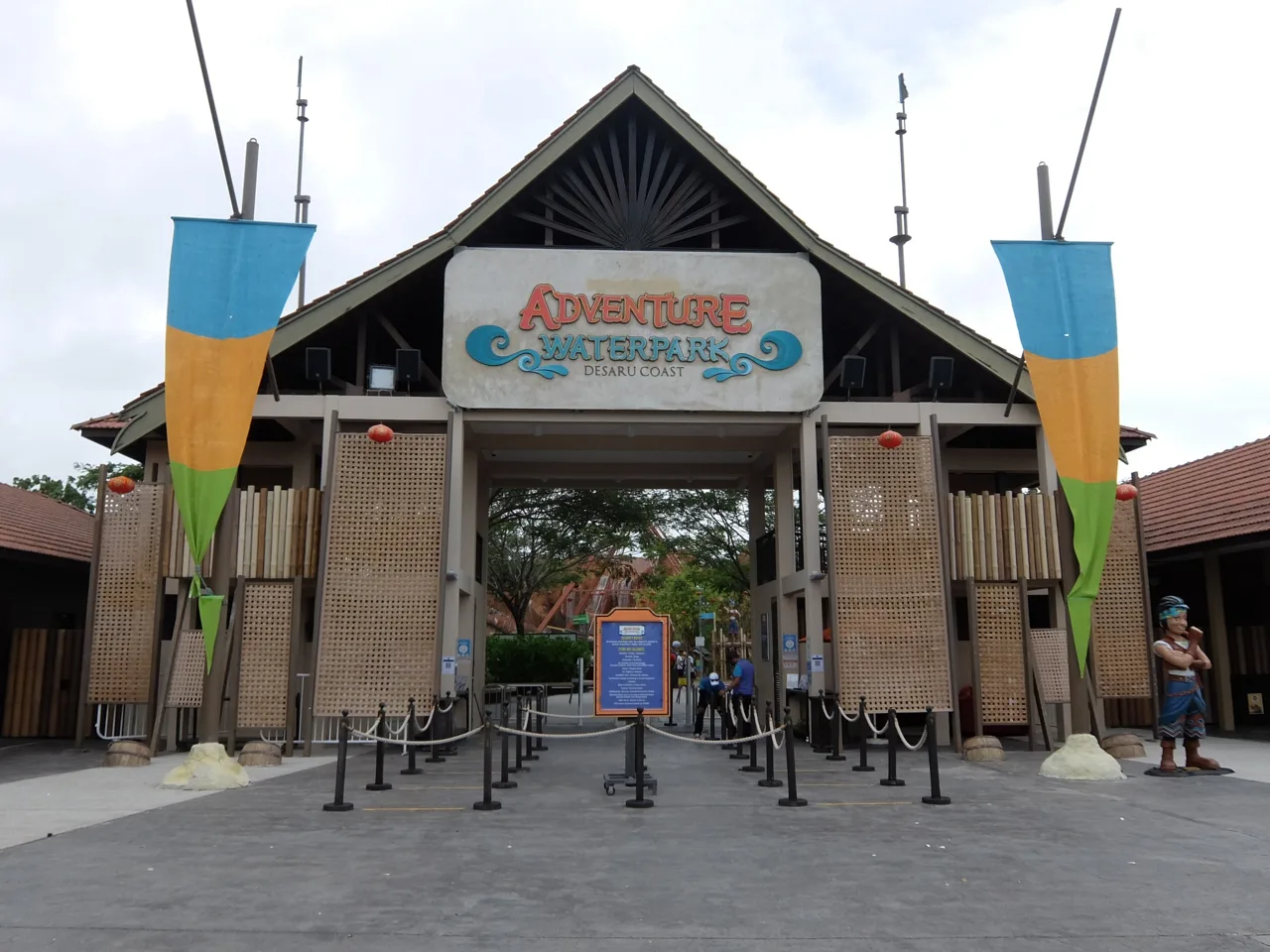
The operator sells from RM 58 to holders of a Malaysian identity card and from RM 110 to everyone else. The split is by document, not by age.
At current rates RM 110 is about SGD 34. That is the number to compare against, and it is higher than the figures circulating in most write ups, which quote around RM 75 and appear to be describing the resident price or an old promotion.
| Where | Adult, not Malaysian | Note |
|---|---|---|
| The operator’s own store | From RM 110 | About SGD 34 |
| Malaysian identity card holders | From RM 58 | Roughly half |
| Reseller platform | Around SGD 19 on a discounted rate | Listed against a higher struck through price |
| Concession, not Malaysian | Around SGD 21 on the same platform | Child and senior |
This is one of the few attractions where a platform genuinely undercuts the operator, and by a wide margin. Discounted rates move, so treat the exact figure as a snapshot and the direction as the finding: check a reseller before buying at the gate or on the official store.
Two practical notes. The park runs 10:00 to 18:00 and closes on Tuesdays outside school and public holidays, which collides with a midweek drive but not with the ferry, since the ferry does not sail on a Tuesday either. And guests at the Hard Rock hotel next door often find waterpark access bundled into the room rate, which is worth checking against buying four separate tickets.
7. Inside the resort strip, and outside it
A free electric shuttle links the ferry terminal, the four resorts, the waterpark and the golf club, roughly hourly. Everything else needs a car.
That single fact decides how much you see. Inside the development you can arrive without transport and still move around: the shuttle is run for the strip and the timetable is handed out at the ferry terminal information counter, in front of the departure hall.
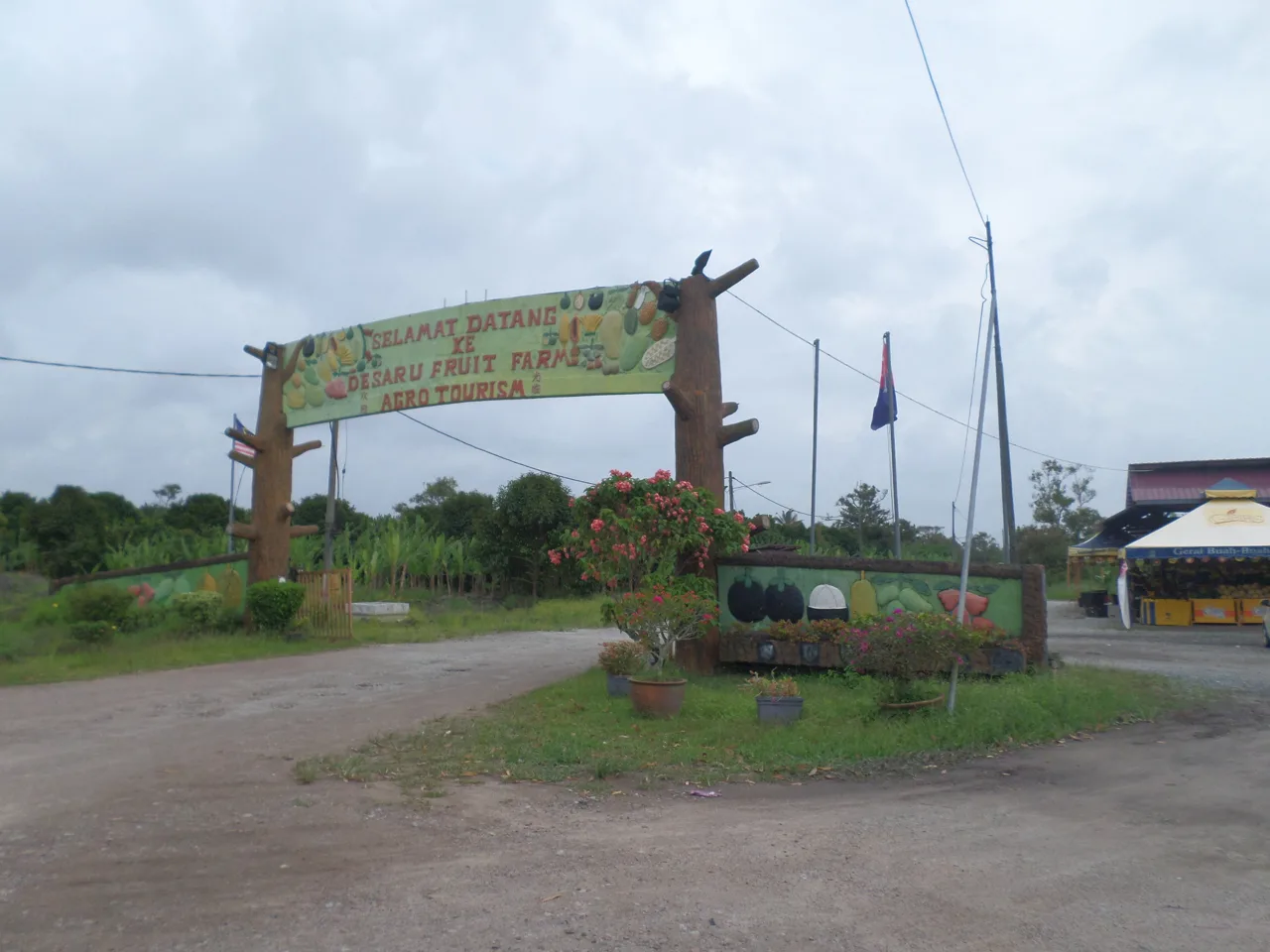
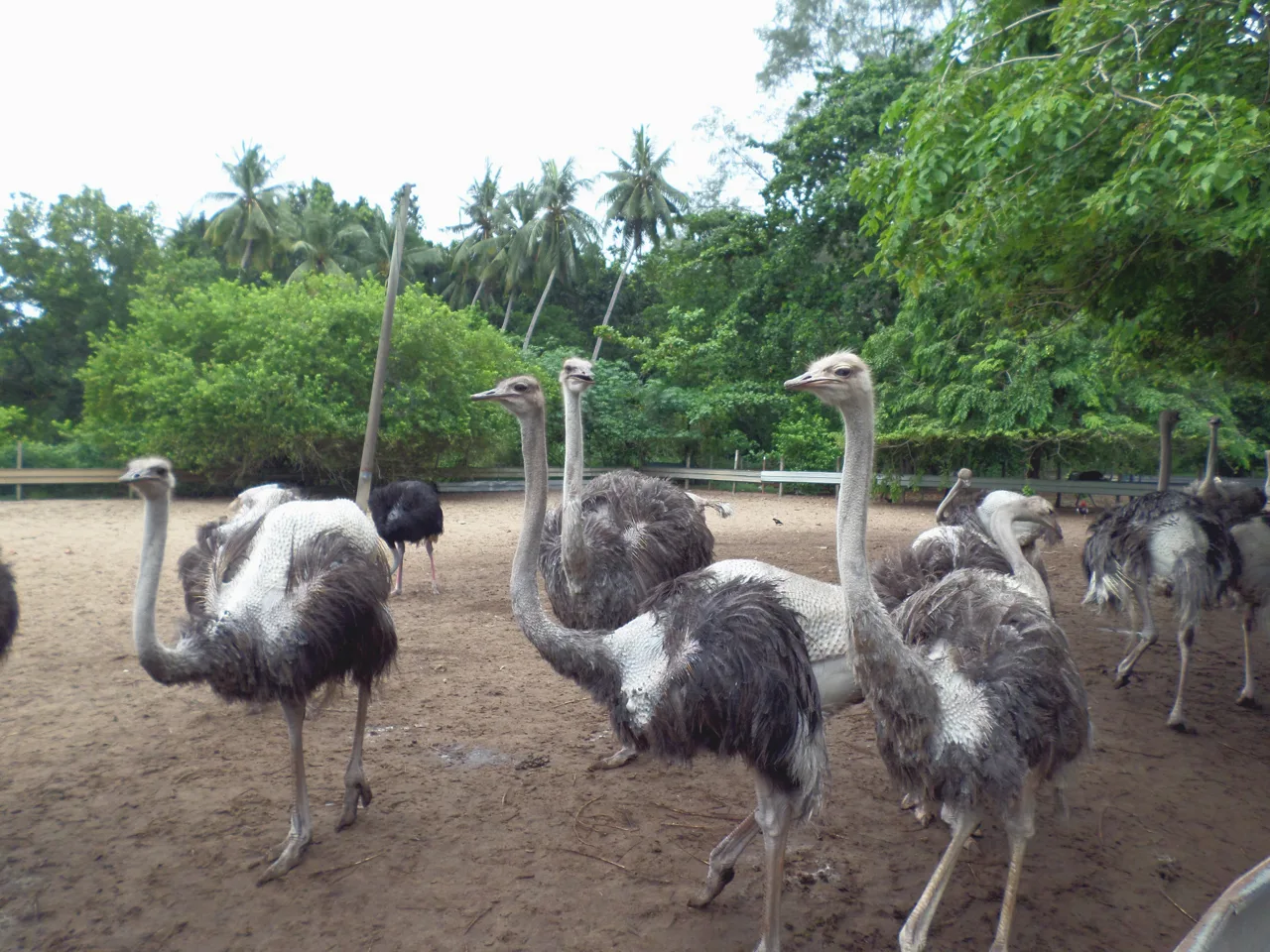
Outside it, the things people picture when they imagine a Malaysian coast are all beyond the loop. The public beach at Pantai Desaru with its seafood warungs behind, the fruit farm, the ostrich farm and the mini zoo sit out on the road and want a taxi or your own car.
| On the free shuttle | Needs a car or taxi |
|---|---|
| Ferry terminal | Pantai Desaru, the public beach |
| The four resorts | The seafood warungs behind the beach |
| Adventure Waterpark | Desaru Fruit Farm |
| Els Club golf courses | Ostrich farm and mini zoo |
So the crossing you chose comes back around here. Arriving by ferry without a car keeps you on the left hand column, which is a resort weekend. Arriving by car opens the right hand column, which is the cheaper and more local half of Desaru. Neither is wrong, but people book the ferry expecting both.
8. Four places to stay, and one of them changed its name this year
The development holds four resorts, and the one most lists still call One&Only is now a Mandarin Oriental.
The property joined the Mandarin Oriental portfolio and relaunched under the new name, so a booking page or article naming One&Only is describing something that no longer exists. It was designed by the late Kerry Hill and was his last completed work, which is the reason the building gets written about at all.
| Resort | Size | Best for |
|---|---|---|
| Hard Rock Hotel | 365 rooms | Families. It connects straight to the waterpark and has a shopping village |
| The Westin | 275 rooms | A plain family weekend with balconies over the sea |
| Anantara | 42 private homes plus suites and a four bedroom villa | Groups who want a kitchen and a private pool |
| Mandarin Oriental | 44 suites and villas across 128 acres | The quiet end, with five restaurants and a beach club |
With children the choice usually collapses to Hard Rock or the Westin, and the deciding factor is the waterpark connection rather than the rooms. Without children the calculation is the opposite, because the waterpark is the noisiest thing on the strip and the two quiet resorts sit furthest from it.
Whichever you pick, book the crossing first. The ferry only sails on four days, so a hotel rate on a Tuesday night is a rate you cannot reach by boat.
9. The paperwork depends on your passport, not your route
Singapore citizens are exempt from the Malaysian digital arrival card. Most other travellers are not.
The card has been required of foreign visitors since the start of 2024 and must be filed online no more than three days before arriving. The exemption covers Singapore citizens, Malaysian citizens and permanent residents, and diplomatic passport holders.
The gap that catches people is residency. A foreign national living in Singapore on a work pass is not covered by the Singaporean exemption, so a group crossing together can genuinely have different obligations. It applies to sea arrivals as much as to the causeway, so the ferry does not route around it.
If you are driving your own car there is a second document. A Singapore registered vehicle needs a vehicle entry permit for Malaysia, and the expressway tolls want a stored value card. Neither is something to sort out in the queue at the checkpoint. For the Singapore side of the crossing, our transport guide covers the cards and the bus services.
10. When to go, and when not to
Go Thursday to Sunday if you want the ferry, and go midweek if you are driving. Those two pieces of advice point in opposite directions, which is the honest summary of this trip.
The ferry only sails on four days, so it forces a weekend and puts you on the water when everyone else is going too. Driving is fastest exactly when the ferry is not running, because the border is quietest midweek, but that is also when the waterpark takes its Tuesday closure.
| If you are | Best days | Why |
|---|---|---|
| Taking the ferry | Thursday or Sunday | Sailing days, and quieter than Saturday |
| Driving | Midweek, not Tuesday | The border is quietest and the waterpark is open |
| Going in the monsoon | Land route | The ferry may be diverted with a coach transfer |
| Avoiding entirely | Friday evening border, public holidays | The queue is at its worst and the resorts are full |
The trip that goes wrong most often is the cheap ferry day trip booked on a Saturday in the monsoon. Every element of that is fighting the others: the busiest crossing day, the season when the sailing may be diverted, and a schedule with no second boat.
The one that works is a Thursday or Sunday night with the ferry both ways, or a midweek drive with a car and two days. If Desaru does not fit either shape, Johor Bahru is the closer version of the same idea and Batam and Bintan are the equivalent by sea, both with far more frequent departures.
🎡Things to Do52
🍜Food4
🏨Where to Stay10
🚇Getting Around3
🧭Travel Tips16
Frequently asked questions
SGD 132 for an adult return, not the SGD 108 on the fare table. A fuel surcharge of SGD 12 a head applies in each direction and is paid before departure.
The operator lists SGD 108 return and SGD 70 one way, and states that those figures already include the passenger departure fee. The surcharge sits outside them. On the Malaysian side it can be paid as RM 40 instead of SGD 12.
Thursday, Friday, Saturday and Sunday, with one sailing each way. It leaves Tanah Merah at 10:10 and leaves Desaru at 17:30.
Guides that say five days a week, or that put the last sailing later, are describing an older schedule. Check the operator page rather than a travel article, because this timetable has already changed once.
Yes, and it is not close. A cross border bus plus the JDX from JB Sentral comes to roughly SGD 10 one way against SGD 70 on the boat.
Take a Causeway Link service from Kranji, Queen Street or Newton Circus to Woodlands, clear both checkpoints, then pick up the JDX at the JB Sentral bus bay. That leg is RM 15 and runs about 90 minutes. What you are paying for on the ferry is the absence of a border queue.
On the ferry you get about five and a half hours on the ground. On the buses you can get closer to seven, if the border behaves.
The ferry lands you around 11:40 and leaves at 17:30. The JDX from JB Sentral at 08:30 puts you in Desaru around 10:00, and the 17:00 return gets you back into Singapore in the evening. Neither is a relaxed day, and both work better with a night in between.
It may not go to Desaru at all. The operator publishes a diversion plan for rough seas in the northeast monsoon.
Under it the boat runs to Tanjung Pengelih instead and a coach covers the gap by road. The operator states plainly that when the plan is active there are no direct sailings to or from the Desaru terminal. You can pay the premium and still spend part of the trip on a bus.
There are two price lists. The operator charges from RM 58 with a Malaysian identity card and from RM 110 without one.
RM 110 is about SGD 34 at current rates. Resellers were listing the non Malaysian adult ticket well below that, closer to SGD 19 on a discounted rate, so this is one of the few attractions where booking through a platform genuinely undercuts the operator. Discounted rates move, so check on the day.
Tuesdays, outside school and public holidays. Hours are 10:00 to 18:00.
This matters less than it looks if you are taking the ferry, because the ferry does not run on a Tuesday either. It matters a lot if you drive over midweek, which is when the border is at its quietest.
It depends on your passport, not on your route. Singapore citizens are exempt. Most other travellers must file the Malaysian digital arrival card no more than three days before arriving.
The exemption also covers Malaysian citizens and permanent residents. It does not cover foreign residents of Singapore, so a work pass holder crossing with Singaporean friends still needs to file while they do not. The rule applies to sea arrivals as much as to the land crossings.
Not inside the resort strip. Yes for anything outside it.
A free electric shuttle links the ferry terminal, the four resorts, the waterpark and the golf club, running roughly hourly, and the timetable is handed out at the ferry terminal information counter. The public beach, the fruit farm and the ostrich farm sit outside that loop and need a taxi or a car.
Hard Rock for the waterpark, the Westin for a straightforward family stay, Anantara for villas, Mandarin Oriental for the quiet end.
The last of those is the one to watch, because it used to be a One&Only. The property joined Mandarin Oriental and relaunched under the new name, so any list still naming One&Only is out of date. Hard Rock connects directly to the waterpark, which is often the deciding factor with children.