Singapore Chilli Crab & Seafood: What to Order, Where to Eat, What It Costs
Chilli crab is Singapore’s national seafood dish, and eating it well is a small art. Here’s what the dish actually is, the other crab styles worth trying, the famous restaurants and the East Coast seafood cluster, how crabs are priced (and how not to overpay), plus how to order and tackle a messy, glorious crab dinner.
Updated June 2026
Singapore chilli crab — quick facts
What is it?
Singapore’s national seafood dish: mud crab in sweet-spicy tomato-chilli gravy
Eat it with
Fried or steamed mantou buns to soak up the sauce
Best crab
Sri Lankan mud crab; ask for it over showy Alaskan King
How it’s priced
Per kilogram, at market/seasonal price — always ask first
Rough cost
Roughly S$50–80 per kg; a crab for two often S$60–100+
Famous names
Jumbo, Long Beach📍Map, No Signboard📍Map, Red House📍Map, Roland
Where
East Coast Seafood Centre📍Map, Dempsey, Jewel, Geylang📍Map and more
If there is one dish that says Singapore, it’s chilli crab: a whole mud crab smothered in a sweet, savoury, gently spicy tomato-and-chilli gravy, with soft fried buns for mopping up every last drop. It’s messy, communal, gloriously over-the-top, and widely called the country’s national seafood dish. But it’s also the dish tourists most often get wrong, ordering the flashiest crab, not asking the price, or skipping the buns that make it. This guide fixes that. We cover what chilli crab actually is and where it came from, the other crab styles worth your stomach space, the famous names and the East Coast seafood cluster, exactly how crabs are priced (and how to avoid a shock bill), and how to order and eat one without ending up wearing it. For the wider food scene, see our Singapore hawker food guide.
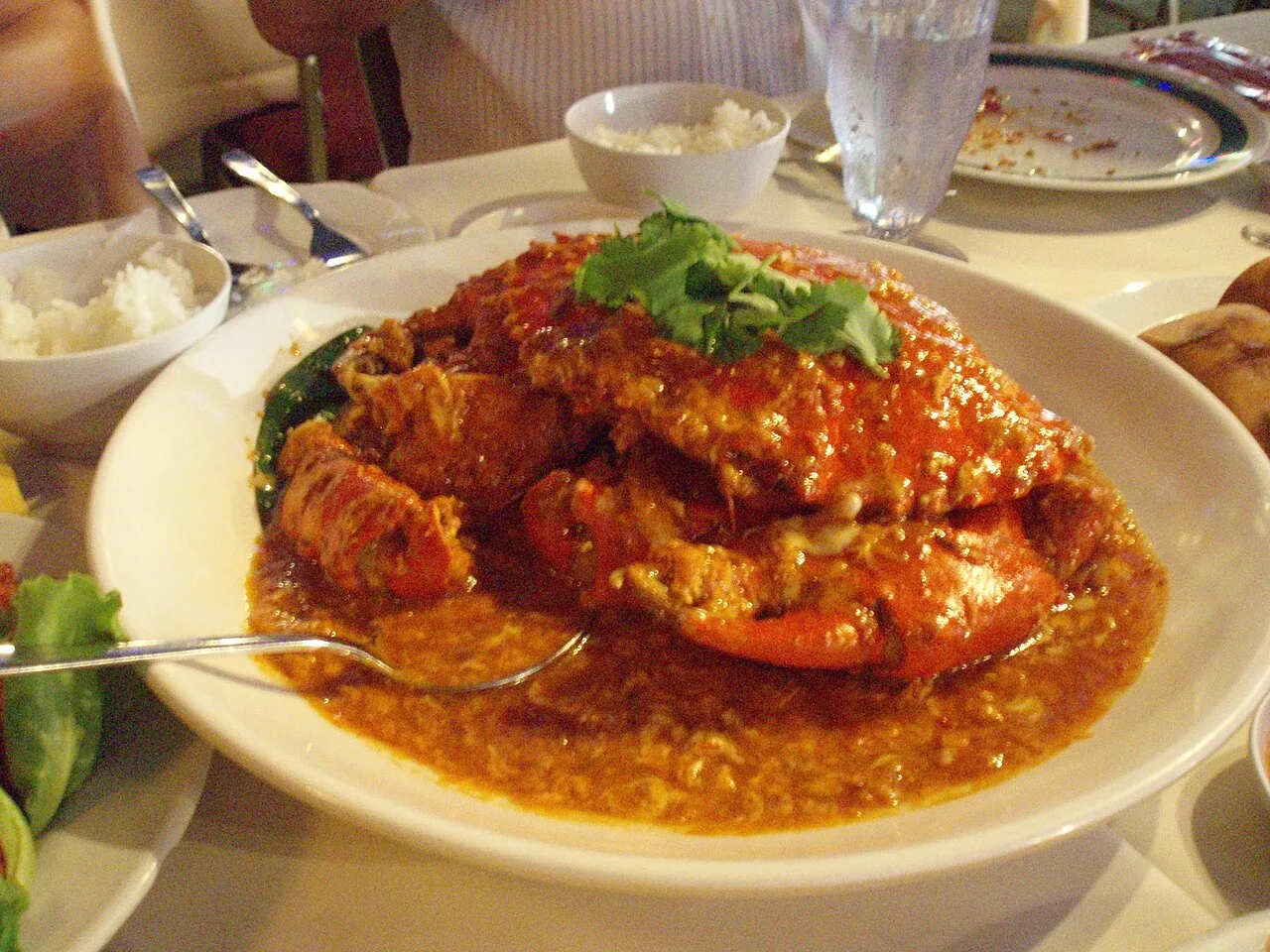
Chilli crab: a whole mud crab in sweet-savoury tomato-chilli gravy. Singapore’s national seafood dish.
1. What chilli crab is (and why it’s worth it)
Chilli crab is a whole mud crab stir-fried in a thick, sweet-savoury tomato-and-chilli gravy loosened with egg, eaten with soft buns. It’s Singapore’s national seafood dish, and yes, it lives up to the hype, as long as you order it well.
Don’t be fooled by the name. Chilli crab isn’t about heat; the chilli is mild, and the gravy is more sweet, tangy and savoury, thick with tomato, garlic and ribbons of egg. The crab is cooked in the shell, so eating it is a hands-on, crack-and-dig affair, and the real magic is the sauce, which is why the fried buns that come with it matter so much.
It’s a sharing dish and an occasion: a table of people, sleeves up, working through a crab together. Get the crab type, the price and the buns right, and it’s one of the best meals you’ll have in Singapore. The rest of this guide makes sure you do.
2. A quick history: from a pushcart to a national dish
Chilli crab was born in the 1950s, when Cher Yam Tian and her husband sold stir-fried crab in a simple chilli-and-tomato sauce from a pushcart, a recipe that grew into restaurants and, eventually, a national icon.
The story goes back to around 1956, when Cher Yam Tian and her husband Lim Choo Ngee began selling crabs stir-fried with bottled chilli and tomato sauce. It was an improvised dish, and it was popular enough that they opened a restaurant, Palm Beach, in the early 1960s along Upper East Coast Road. Their family’s recipe still lives on today at Roland Restaurant📍Map, run by their descendants.
The richer, saucier version most places serve now was refined in the 1960s by chef Hooi Kok Wai, one of Singapore’s celebrated chefs of the era, who added sambal, tomato paste and egg white for a tangier, glossier gravy. From a pushcart to nearly every seafood menu in the country, chilli crab is now shorthand for Singaporean food itself.
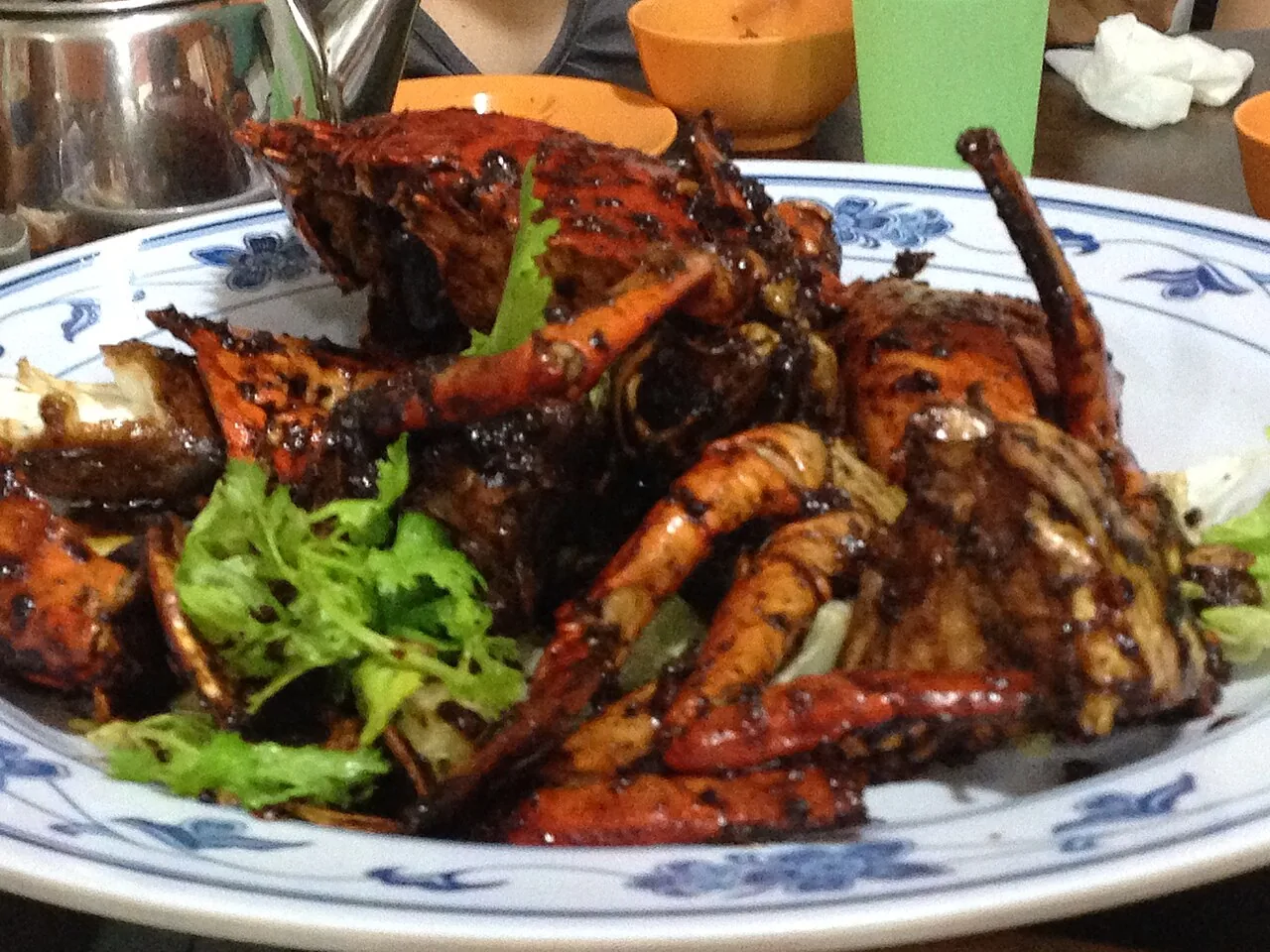
Black pepper crab is the dry, punchy alternative. Many tables order one chilli and one black pepper.
3. The crab styles worth knowing
Chilli crab is the headline, but it’s not the only way to cook a crab here. Black pepper, white pepper, salted egg, butter and crab bee hoon each have devoted fans, and ordering two styles is the smart move.
If it’s your first crab dinner, the classic pairing is one chilli crab and one black pepper crab: saucy and sweet versus dry and punchy. From there, white pepper crab is milder and more aromatic, salted egg is rich and grainy, butter crab is fragrant and creamy, and crab bee hoon swaps gravy for noodles soaked in a milky, peppery crab broth. Here’s how they compare:
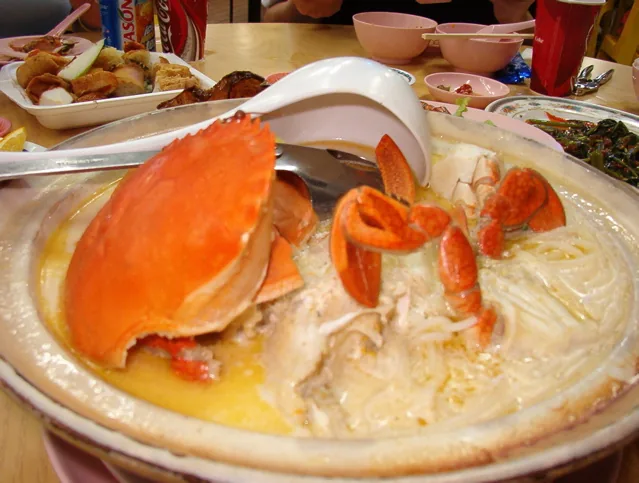
Crab in a milky, peppery broth with rice vermicelli
A soupy, comforting take
Order two styles between a few people so nobody leaves wondering what they missed.
4. What crab, and how it’s priced
The classic choice is the Sri Lankan mud crab, sweet and meaty with big claws. Crab is sold by weight at a market price that shifts with season and type, so the golden rule is simple: ask the per-kilo price and the crab’s weight before you say yes.
Mud crab is the traditional, best-matched crab for chilli and pepper sauces. The Sri Lankan mud crab is the prized one, often over a kilo, while mud crabs from Malaysia, Indonesia and Vietnam are common and usually cheaper. Restaurants may steer you toward pricier Alaskan King or Dungeness crab, but for these dishes the humble mud crab is the classic. Roughly speaking:
Crab
Rough price
Notes
Sri Lankan mud crab
~S$70–90/kg
The prized pick; sweet, meaty, large
Other mud crab (M’sia/Indo/Vietnam)
Often cheaper
Good value; smaller
Alaskan King / Dungeness
Premium
Showy; not the classic match
Always ask first. Prices are seasonal and “market price” is real here. Confirm the price per kilogram and have staff weigh your crab before cooking, so the bill matches your expectation. A meal for two often lands around S$60–100 or more once buns and sides are in.
5. Where to eat: the famous names
The big names are Jumbo, Long Beach, No Signboard, Red House and Roland. Jumbo is the most visitor-friendly, Long Beach brings the heat and black pepper crab, No Signboard is known for white pepper, and Roland serves a version close to the original recipe.
You can’t really go wrong with any of them, so pick by what you want: a polished tourist-friendly meal, serious spice, a specific crab style, or a slice of history. Here’s the quick orientation:
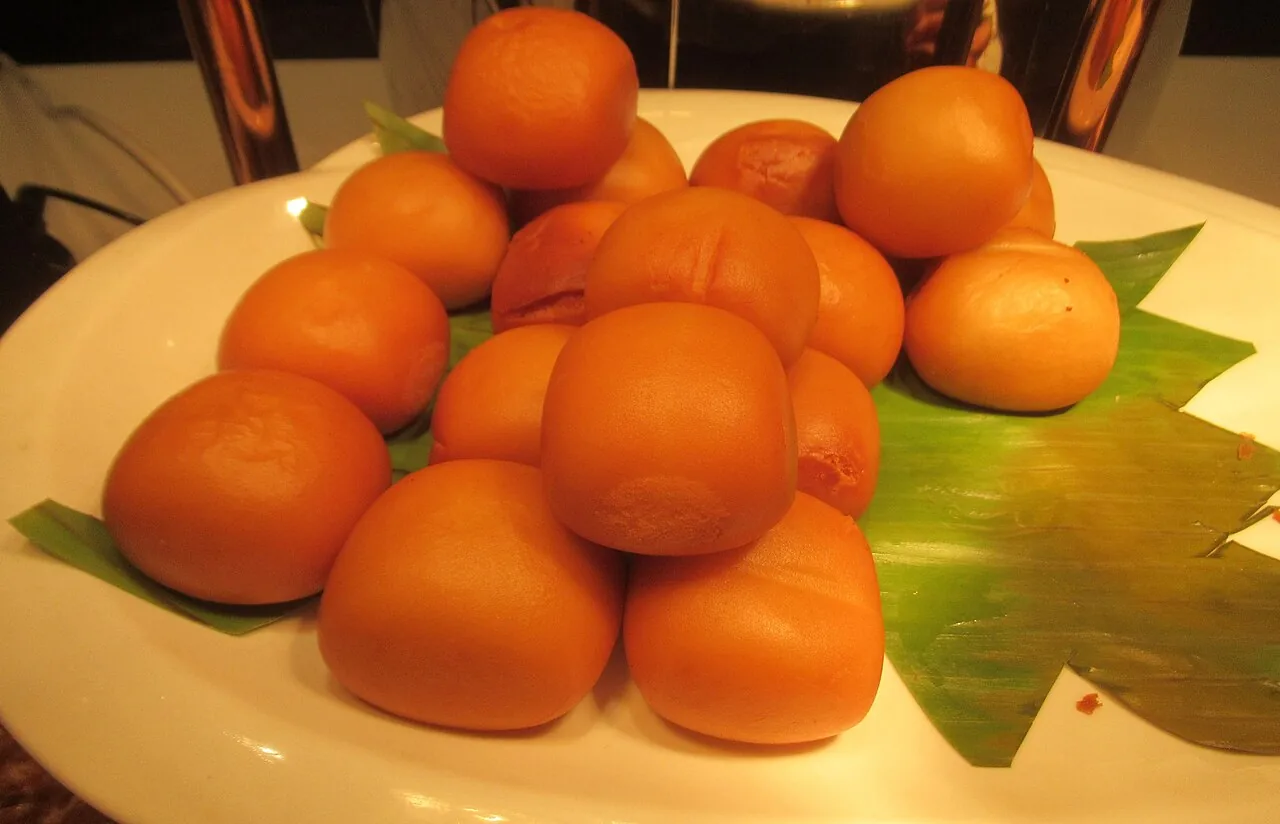
Fried mantou buns exist to mop up the gravy. Order a basket, then order another.
6. The East Coast Seafood Centre experience
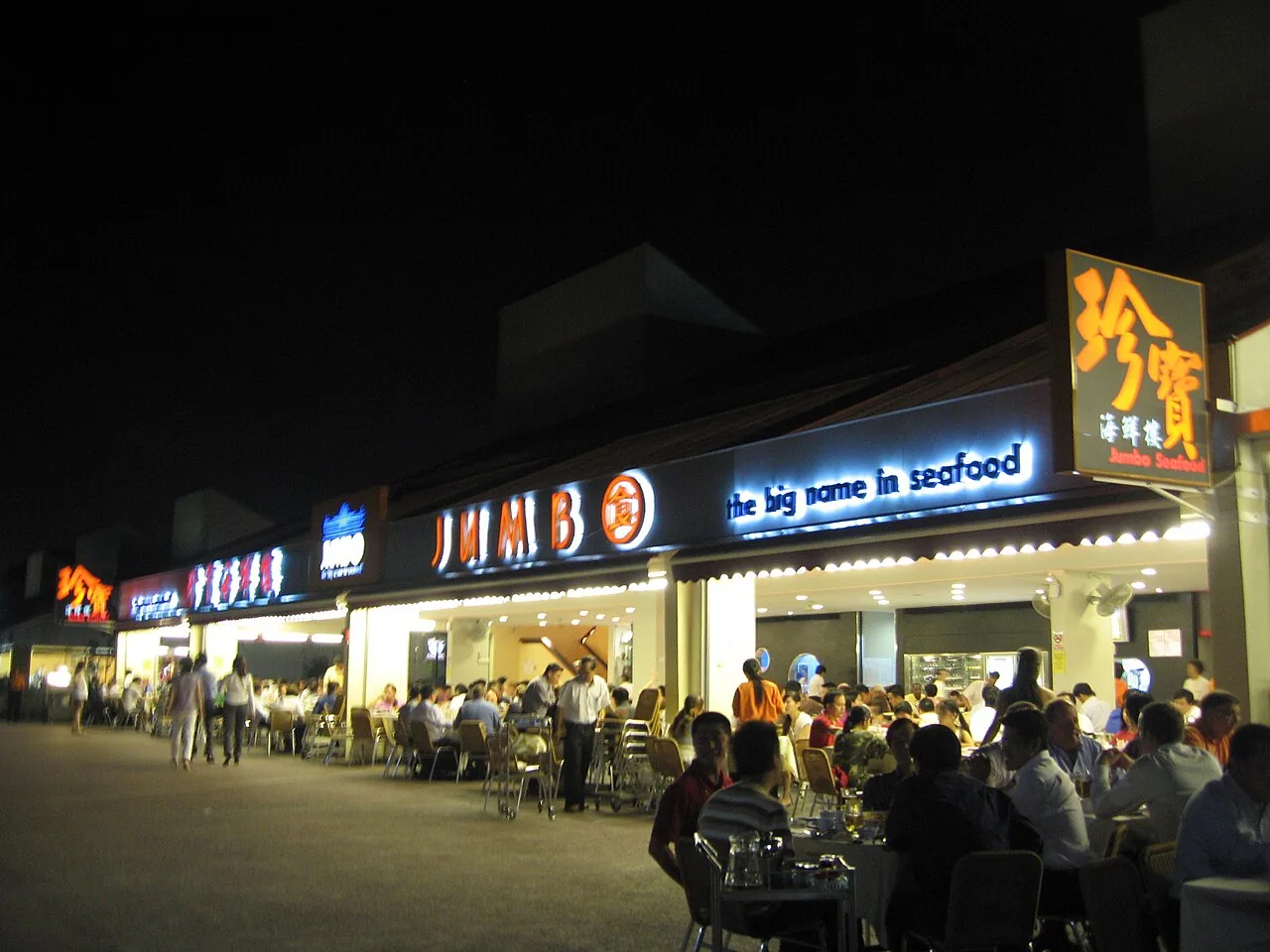
For the classic setting, head to the East Coast Seafood Centre, a cluster of large seafood restaurants right by the sea, including Jumbo, Long Beach and Red House. It’s where many locals take visitors for their first crab.
The Seafood Centre sits along East Coast Parkway, with the restaurants lined up by the water so you can eat crab with a sea breeze and, if you time it right, a sunset. It’s relaxed and a little touristy in the best way: big round tables, paper-covered surfaces, and waiters who’ve cracked a thousand claws. It’s a short taxi or Grab ride from the city, and pairs naturally with a walk along East Coast Park.
If you’re already exploring the eastern neighbourhoods like Katong and Joo Chiat📍Map, a crab dinner here rounds off the day perfectly, see our Katong & Joo Chiat guide for what to do nearby.
7. Heartland crab and crab bee hoon
Beyond the famous seafood halls, Singapore’s neighbourhoods hide excellent, less touristy crab, and one dish to seek out is crab bee hoon, crab in a milky, peppery broth with rice vermicelli.
Heartland spots like Mellben Seafood built their reputation on crab bee hoon, where the sweetness of the crab seeps into a comforting, peppery soup thick with noodles. It’s a different pleasure from saucy chilli crab, and many locals love it just as much. These places are often in residential areas, busier with families than tourists, and a great way to eat like a Singaporean.
Going heartland usually means a queue and a more no-frills setting, but also keener prices and a local crowd. If you want the dish without the tourist sheen, this is the move.
Jumbo Seafood, the best-known name, packed at night. East Coast is the classic crab-dinner setting.
8. Halal chilli crab
Many famous seafood restaurants aren’t halal-certified, but good halal chilli crab does exist, including Sinaran Seafood and Home of Seafood, serving the dish with mantou from around S$45.
For Muslim travellers, these halal spots mean you don’t have to miss out on Singapore’s signature dish. They serve chilli crab and the usual seafood sides, and the experience, hands, buns, mess and all, is the same. Certification status can change over time, so it’s worth a quick check before you go if it’s essential for your group.
For where to pray, what else to eat, and more halal-friendly dining across the city, see our halal Singapore guide.
9. How to order and eat a crab dinner
Pick your crab and styles, confirm the weight and price, order mantou and a side or two, and dig in with your hands. A little planning keeps the bill sane and the meal fun.
A practical order for two: one crab (around 700g to 1kg) in your chosen style, a basket of fried mantou, one vegetable like kangkong, and rice if you want more than buns. For three or four people, do two crabs in two styles. Tell staff how spicy you want it, and remember they’ll weigh and price the crab before cooking, so confirm both. Drinks and extra dishes are where bills balloon, so order in rounds rather than all at once.
Then just enjoy it. Put on the bib, crack the claws, scoop the gravy with the buns, and use the finger bowl. It’s meant to be messy and slow, more of an event than a quick meal, so give it time.
10. What a crab meal really costs
Crab is the splurge of a Singapore food trip, but it doesn’t have to break the bank. Expect a two-person crab dinner to land roughly S$60–110 depending on crab size, sides and drinks.
The crab itself is the big variable, since it’s priced by weight at market rates. Add buns, a side and drinks and a rough picture looks like this:
Item
Rough cost
One crab (~700g–1kg, chosen style)
~S$45–80
Mantou buns (basket)
~S$5–8
A vegetable side (e.g. kangkong)
~S$10–18
Rice / drinks (for two)
~S$8–15
Typical total for two
~S$60–110+
Heartland crab and halal spots tend to be friendlier on price; the famous East Coast names cost a little more for the setting. For keeping the whole trip affordable, see our Singapore on a budget guide.
Crab bee hoon: crab in a milky, peppery broth with vermicelli, a heartland favourite beyond the saucy classics.
11. If you can’t (or won’t) eat crab
You don’t have to love crab to enjoy a Singapore seafood dinner. These restaurants do prawns, fish, squid, vegetables and noodles too, and there’s plenty of iconic non-seafood food elsewhere.
If shellfish isn’t your thing but fish is, order steamed or fried fish, cereal prawns (if prawns are okay), salted egg dishes and vegetables, and you’ll eat very well without touching a crab. If you avoid seafood entirely, skip the seafood halls and head for the hawker classics instead, chicken rice, satay, char kway teow and more. If chicken is the easier choice, our Hainanese chicken rice guide covers where to eat it.
Book ahead at the famous spots, go slightly early to beat the dinner rush, and pair your crab with the eastern neighbourhoods or a city branch for an easy night out.
For the East Coast Seafood Centre, reserve a table for weekends and holidays, and consider an earlier seating for a calmer meal and first pick of the crabs. Getting there is easiest by taxi or Grab; the area isn’t right next to an MRT station. Combine it with a stroll along East Coast Park, or with the Peranakan streets of Katong and Joo Chiat just inland.
Short on time or near the airport? The branches at Jewel Changi, ION Orchard and Dempsey make a crab dinner simple to fit in. However you do it, chilli crab is one Singapore experience worth getting your hands dirty for, plan the rest of your eating with our hawker food guide and Singapore travel guide.
Q. Is chilli crab really Singapore’s national dish?
It’s widely described as Singapore’s national seafood dish, and for many visitors it’s the single most iconic thing to eat here. The dish is a whole mud crab stir-fried in a thick, sweet-savoury tomato-and-chilli gravy loosened with ribbons of egg, served with fried or steamed buns called mantou. It isn’t really spicy in the chilli-burn sense; the heat is mild and the flavour is more sweet and tangy. It’s a sharing dish, eaten with hands, and it’s as much an experience as a meal.
Q. Where should I eat chilli crab in Singapore?
The famous names are Jumbo Seafood, Long Beach, No Signboard, Red House and Roland, and the classic setting is the East Coast Seafood Centre, a cluster of big seafood restaurants by the sea. Jumbo is the most tourist-friendly and the one most international visitors picture; Long Beach is known for serious heat and black pepper crab; No Signboard made its name on white pepper crab; Roland serves a version close to the original 1950s recipe. You’ll find branches across the city too, including Dempsey, ION Orchard and Jewel Changi.
Q. How much does chilli crab cost in Singapore?
Crab is sold by weight at a market price that changes with season and crab type, so the honest answer is: ask before you order. As a rough guide, expect somewhere around S$50–80 per kilogram, and a single crab big enough for two people often lands around S$60–100 or more once you add the buns and a couple of sides. The bill can climb fast with extra dishes and drinks, so confirm the per-kilo price and the crab’s weight up front to avoid a surprise.
Q. What’s the difference between chilli crab and black pepper crab?
Chilli crab is saucy: a thick, sweet-savoury tomato-and-chilli gravy you mop up with buns. Black pepper crab is dry and punchy: crab tossed in a fragrant, peppery, buttery coating with real bite, and no gravy to speak of. Many tables order one of each to compare. There’s also white pepper crab (milder, more aromatic, a No Signboard signature), salted egg crab (rich and grainy) and butter crab. If it’s your first time, chilli plus black pepper is the classic combination.
Q. What kind of crab is used, and which should I choose?
The gold standard is the Sri Lankan mud crab, prized for sweet, meaty flesh and big claws; it can weigh well over a kilo. Mud crabs from Malaysia, Indonesia and Vietnam are also common and usually cheaper. Restaurants may push pricier Alaskan King or Dungeness crab, but for chilli or pepper crab the mud crab is the classic and arguably the best match for the sauce. Ask for a fresh Sri Lankan mud crab of the size you want, and have them confirm the weight before cooking.
Q. What is mantou and do I need it?
Mantou are soft Chinese buns, served either steamed (white and pillowy) or fried (golden and crisp outside), and yes, you absolutely need them. Their whole job is to soak up the chilli crab gravy, which is so good that leaving it on the plate feels criminal. Order a basket to start and another when you realise the first wasn’t enough. Fried mantou dipped in that sweet-spicy sauce is, for many people, the best part of the entire meal.
Q. Is there halal chilli crab in Singapore?
Yes. While many of the famous seafood restaurants are not halal-certified, there are good halal options, including Sinaran Seafood and Home of Seafood, which serve chilli crab and the usual sides with mantou, often from around S$45. As certification can change, check the latest status before you go if it matters for your group. For a fuller picture of eating halal in Singapore, see our halal Singapore guide.
Q. Is chilli crab very spicy?
Not really. The name is misleading: the gravy is more sweet and savoury than fiery, with a gentle warmth rather than a chilli burn, so most people who can’t take much heat are perfectly fine with it. If you do want a kick, black pepper crab has more of a punch, and you can ask for the chilli version to be made spicier. The dominant flavours are tomato, a little sweetness, garlic and the richness of the crab.
Q. When is the best time to eat crab, and should I book?
Crab is available year-round, and there’s no real season you need to chase, though prices move with supply. The famous restaurants get busy at dinner, especially on weekends and around holidays, so booking ahead is wise, particularly for the East Coast spots and for larger groups. Going slightly earlier in the evening or on a weekday means a calmer meal and a better shot at the crab size you want. For the bigger picture on timing your trip, see our best time to visit guide.
Q. What else should I order with crab?
Crab is the star, but a proper seafood dinner has supporting acts. Classic sides include cereal prawns (crisp prawns in a sweet, buttery cereal coating), stir-fried kangkong (water spinach with sambal), salted egg or butter prawns, steamed fish, and san lou bee hoon. Order rice or the mantou to balance the richness, and keep portions in check, because crab plus three sides fills a table fast. A couple of well-chosen sides turns a crab into a feast.
Q. Is eating chilli crab messy, and how do I tackle it?
Very messy, and that’s part of the fun. Restaurants give you a plastic bib, sometimes gloves, a finger bowl and a crab cracker. Use your hands, crack the claws, dig out the meat, and don’t be shy about scooping gravy with the buns. Wear something you don’t mind splashing, keep wet wipes handy, and accept that you’ll smell faintly of crab afterwards. Going with the mess, rather than fighting it, is the whole experience.
Q. Can I eat chilli crab if I don’t eat crab or shellfish?
You can still enjoy the experience. Most seafood restaurants serve plenty beyond crab: fish, prawns, squid, vegetables, tofu and noodle dishes, so a shellfish-free or fish-only diner won’t go hungry. The famous chilli sauce also appears on other proteins at some places. If you can’t do seafood at all, you’re better off elsewhere, and our hawker food guide and main Singapore guide point to plenty of other local must-eats.