
Singapore Travel Guide for First-Timers: Plan the Perfect Trip
Everything you need for your Singapore trip in one place — what to do, where to eat and stay, how to get around, what it costs, when to go, and the rules that trip up first-timers.
| Visa | Most nationalities 30–90 days visa-free; submit the free SG Arrival Card online within 3 days before |
|---|---|
| Currency | Singapore dollar (S$); contactless cards work almost everywhere |
| Language | English everywhere (+ Mandarin, Malay, Tamil) |
| Best time | Feb–Apr is driest; hot 25–33°C year-round |
| Getting around | MRT + a contactless card — most rides S$1–2 |
| Daily budget | ~S$90–130 careful all-in; mid-range S$300+ |
| Plug & water | Type G (UK 3-pin), 230V; tap water safe to drink |
1. Why visit Singapore
2. Which Singapore trip is right for you?
3. Getting there & arriving at Changi
4. Best time to visit & the weather
5. Getting around: MRT, buses, Grab & more
6. Where to stay: neighbourhoods & hotels
7. Top attractions you shouldn’t miss
8. Neighbourhoods to explore on foot
9. Where to eat: hawker food & local dishes
10. Money, budgets & costs
11. Shopping: malls, markets & souvenirs
12. Nightlife & rooftop bars
13. Singapore with kids
14. Day trips from Singapore
15. Festivals & events calendar (2026)
16. Practical A-Z: entry, SIM, safety & etiquette
17. First-timer mistakes to avoid
18. Useful apps & staying connected
19. Suggested itineraries (1–5 days)
20. Good to know for international visitors
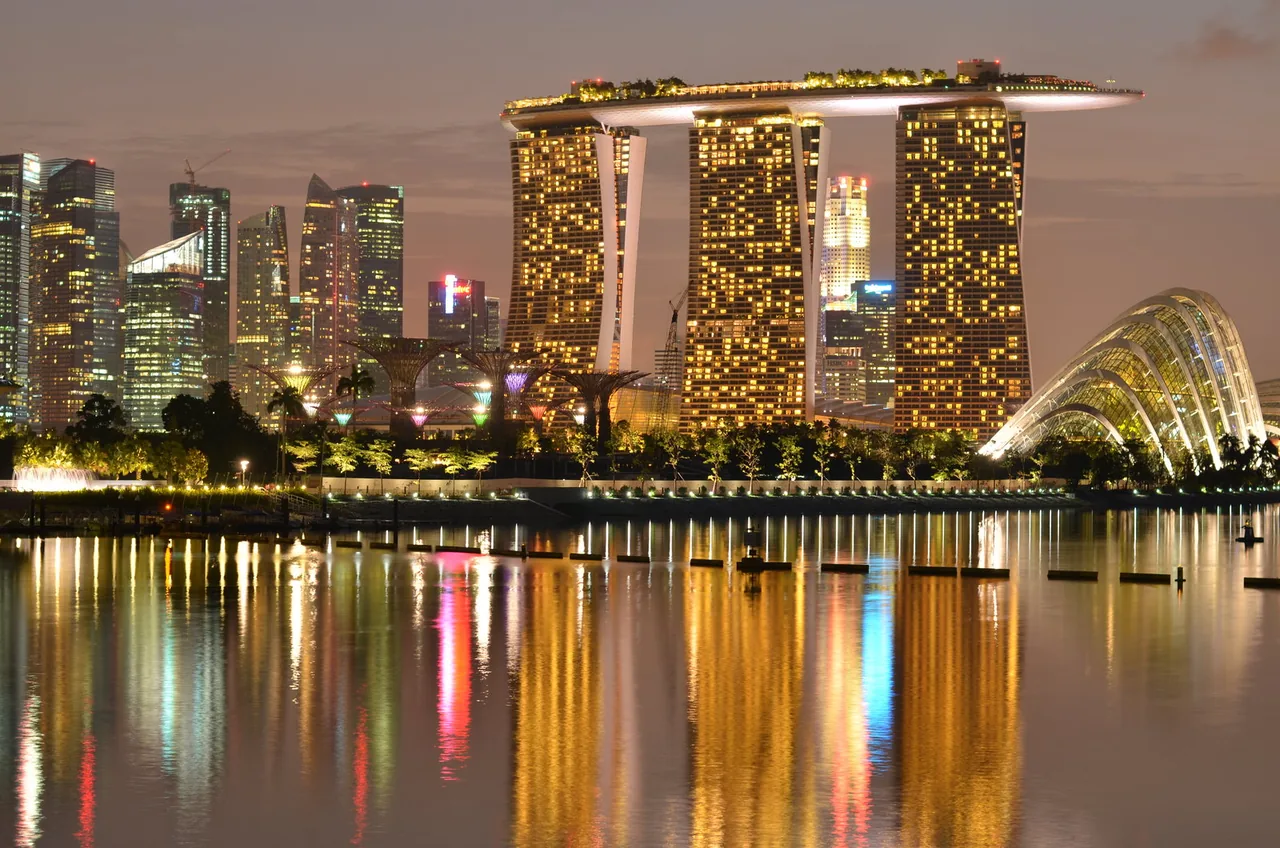
Singapore packs an entire country into one tropical island you can cross by train in under an hour. In a single day you can wander a 200-year-old temple in Chinatown, eat a Michelin-listed plate of chicken rice for a few dollars, watch a free light show under giant solar Supertrees, ride a rollercoaster on a resort island and finish with a cocktail 57 floors above Marina Bay — all without ever needing a car. It’s clean, astonishingly safe, and English is spoken everywhere, which makes it the easiest possible introduction to Asia, yet dense and surprising enough to reward repeat visits. This guide is the complete map for your trip: when to go, how to arrive and get around, where to sleep, what to see, what to eat, what it all costs, the festivals worth timing a trip around, and the practical rules and etiquette that first-timers wish they’d known. Use it as your launchpad, then follow the links into our detailed neighbourhood, food and attraction guides. How far English gets you, and why the local English sounds different, are covered in what language they speak in Singapore.
1. Why visit Singapore
Singapore is the easiest first trip in Asia: a clean, safe, English-speaking city-state where world-class sights, four cultures and some of the planet’s best street food sit within a half-hour train ride of each other. It is small enough to feel manageable on day one, yet dense enough to keep surprising you on day four.
What makes it special is the mix. In the same afternoon you can drink a flat white in a hipster Tiong Bahru cafe, watch worshippers at a Hindu temple in Little India, browse a Malay-Muslim heritage district in Kampong Glam, and end the evening 57 floors up at a rooftop bar over Marina Bay. The city is also a launchpad — direct trains and buses reach Malaysia, ferries reach Indonesia’s islands, and Changi is one of the world’s best-connected airports — so Singapore works equally well as a destination and a stopover.
- Safe and easy: very low crime, drinkable tap water, English everywhere, world-class public transport.
- Compact: the whole island is ~50 km east to west; the MRT links almost everything.
- Food capital: Michelin-listed hawker stalls for a few dollars, plus four cuisines on every street.
- Families love it: Universal StudiosMap, the Zoo and Night SafariMap, Gardens by the BayMap and SentosaMap‘s beaches.
- Year-round: no winter, no peak-season shutdowns — only festivals worth timing for.
2. Which Singapore trip is right for you?
The same city plays very differently depending on who you’re with, how long you have, and what you love. Find the row closest to your trip below, then follow it into the guides further down — it makes planning much faster.
| Type of trip | Ideal length | Don’t miss | Base yourself in |
|---|---|---|---|
| First time abroad | 3–4 days | Marina Bay·Gardens light show, hawker centres, Chinatown | Civic District·Chinatown |
| Family with kids | 4–5 days | Universal Studios, Mandai zoo, water play at Gardens | Sentosa or Orchard |
| Couples·honeymoon | 3–4 days | Sands infinity pool, 57th-floor bars, skyline night walk | Marina Bay |
| Food trip | 3 days+ | Maxwell·Lau Pa SatMap hawkers, chilli crab, Katong laksa | Chinatown·Katong |
| Backpacker·budget | Flexible | Free light shows·beaches·quarters, hawkers, free sights | Kampong Glam·Little India |
| Transit·stopover | 12–24 hours | Jewel Rain VortexMap, core Marina Bay, one hawker meal | One night in the city, or the airport |
For most travellers, 3–4 days is the sweet spot: Marina Bay on day one, Sentosa on day two, the culture-and-food quarters on day three — one block per day. With an extra day, add the Mandai zoo or a day trip and the pacing lands perfectly.
3. Getting there & arriving at Changi
Everyone arrives through Changi AirportMap — repeatedly ranked among the world’s best — and the city centre is just 20–30 minutes away by MRT, taxi or Grab. Before you fly, submit the free SG Arrival Card (SGAC) online (via the official ICA website or MyICA app) within three days of arrival; it’s mandatory for every foreign visitor and is free, so ignore copycat sites that charge a fee.
From the airport to the city
The MRT East-West Line from Changi reaches the city in about 30 minutes for roughly S$2 (change at Tanah Merah toward the city). A taxi or Grab takes 20–30 minutes and costs about S$25–40 (more between midnight and 6am, when surcharges apply). There are also airport shuttle buses to most hotels.
Don’t skip Jewel
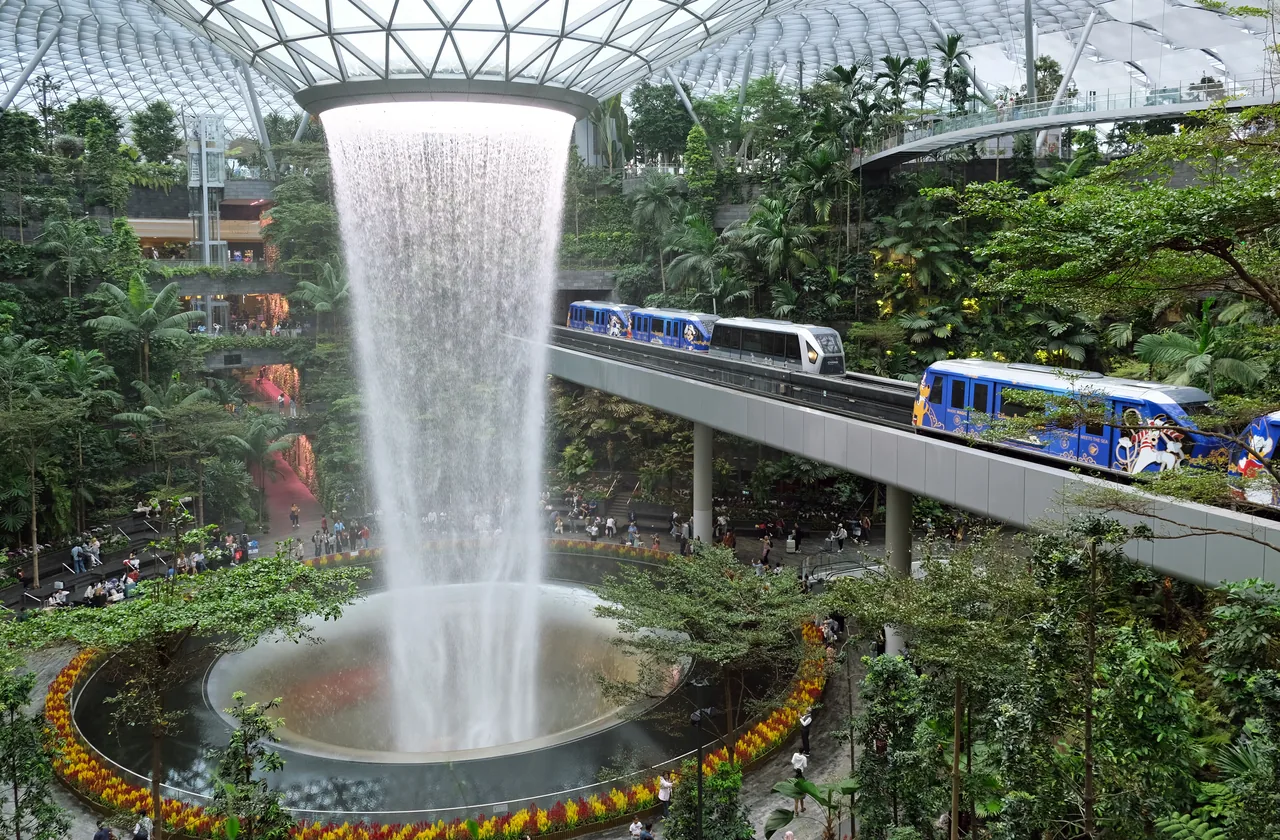
Connected to Changi is Jewel, a dazzling nature-themed mall crowned by the Rain Vortex, the world’s tallest indoor waterfall (40 m), surrounded by an indoor forest. It’s free to walk around, packed with food and shops, and worth arriving early or lingering after your flight to see. Changi itself has free movie theatres, gardens, a rooftop pool and 24-hour dining, making even a long layover enjoyable.
Entry essentials
Make sure your passport is valid for at least six months, have proof of onward travel and accommodation, and complete the SGAC. Most nationalities get a 30–90 day visa-free stay stamped on arrival. See the practical A-Z below for SIM cards, money and more.
4. Best time to visit & the weather
Singapore is hot and humid every single day of the year, with temperatures of 25–32°C, high humidity and the chance of a tropical downpour at any time — there are no seasons, only wetter and drier months. February to April is typically the driest and most comfortable; November to January is the wet northeast monsoon, but showers are usually short and intense rather than all-day.
Month by month: Dec–Jan is the wettest (frequent afternoon storms); Feb–Apr is warm and relatively dry — the sweet spot; May–Jul is hot and humid with passing showers; Aug–Oct is warm with occasional haze (smoke drifting from regional fires, usually brief). Sea temperatures hover around 28–30°C year-round, so the beaches and pools are always swimmable.
When to come for events: Chinese New Year lights up Chinatown in late January/February, the Great Singapore Sale runs roughly mid-June to mid-August, the F1 night race electrifies Marina Bay in October, and Christmas turns Orchard Road into a wonderland of lights. See the festivals section below for 2026 dates. There’s no bad time to visit — just pack a compact umbrella and a light layer for the air-conditioning.
For a full month-by-month breakdown of the weather, the monsoons, the haze season, crowds, prices and every festival, see our complete best time to visit Singapore guide.
5. Getting around: MRT, buses, Grab & more
Singapore’s MRT metro is fast, spotless, air-conditioned and cheap, and it reaches almost every place a visitor wants to go — for most trips it is all you need. A typical ride costs about S$1–2 and trains run roughly 5:30am to midnight across colour-coded lines (North-South red, East-West green, North East purple, Circle yellow, Downtown blue, Thomson-East Coast brown).
How to pay
The easiest way is simply to tap a contactless Visa or Mastercard (or your phone) at the gate — no ticket needed (foreign cards add a small ~S$0.60/day admin fee). Alternatively, buy a Singapore Tourist Pass for unlimited bus and train rides: roughly S$17 / S$24 / S$29 for 1 / 2 / 3 days. A local EZ-Link/SimplyGo stored-value card also works and is handy if you’re staying longer.
Buses, taxis & Grab
The bus network is extensive and scenic (and the same fares/cards apply) but slower than the MRT. Grab — Southeast Asia’s Uber — is the simplest door-to-door option, especially late at night, for groups, or to reach Mandai and other spots off the rail network; fares are metered and cashless. Street taxis are plentiful, metered and honest. For short hops, Singapore is wonderfully walkable, with sheltered, covered walkways linking many buildings.
Getting to Sentosa
Reach the resort island by the Sentosa Express monorail from VivoCity mall, the scenic cable car, a taxi, or the free Sentosa Boardwalk on foot. Once there, internal monorail, buses and beach trams are free.
| Mode | Speed | Cost | Best for |
|---|---|---|---|
| MRT (metro) | Fast | S$1–2 | The backbone of almost every trip; cool and reliable |
| Bus | Medium | S$1–2 | Scenic rides, lanes the MRT doesn’t reach |
| Grab | Fast | S$10–18 | Late nights, groups, outskirts like Mandai |
| Taxi | Fast | Metered | When Grab is scarce (meters are honest) |
| Walking | Slow | Free | Marina Bay and neighbourhood strolls (lots of covered walkways) |
| Cable car·monorail | Scenic | S$4+ | Getting onto Sentosa, harbour views |
For the MRT lines, fares, passes and getting in from Changi, see our full Singapore MRT and transport guide.
6. Where to stay: neighbourhoods & hotels
Stay near an MRT station in Marina Bay, the Civic District, Chinatown, Bugis/Kampong Glam or Orchard for a first visit — all are central, walkable and superbly connected. Singapore is compact, so location matters less than in sprawling cities, but being near a station saves time and sweat in the heat.
- Marina Bay: the iconic, splurge-worthy area — Marina Bay Sands and luxury towers, walkable to Gardens by the Bay and the nightly light show.
- Civic District / City Hall: central and convenient, near the museums, the river and Marina Bay; a great all-round base.
- Chinatown: atmospheric, brilliant food, temples and shophouses, with mid-range hotels and stylish boutique stays.
- Bugis & Kampong Glam: trendy, central and better value, with cafes, street art (Haji Lane)Map and nightlife.
- Orchard Road: shopping-central and family-friendly, with the widest range of hotels.
- Little India: colourful, lively and cheaper, with the best-value guesthouses and 24-hour MustafaMap Centre nearby.
- Sentosa: resort island — best if you’re here mainly for the beaches and theme parks.
- Katong / East Coast: a quieter, local Peranakan neighbourhood near the beach park, good for a slower stay.
| Area | Best for | Price (per night) | Close to |
|---|---|---|---|
| Marina Bay | Couples·splurge·first visit | S$300+ | Sands, Gardens, night shows |
| Civic / City Hall | All-rounder base | S$150–300 | Museums, riverside, Marina Bay |
| Chinatown | Food·atmosphere | S$120–250 | Maxwell hawker, temples |
| Bugis·Kampong Glam | Value·hip | S$90–200 | Haji Lane, Sultan MosqueMap |
| Orchard Road | Families·shopping | S$150–300 | The mall strip |
| Little India | Budget | S$60–150 | Mustafa (24h) |
| Sentosa | Resort·kids | S$250+ | Universal, beaches |
Hotel tiers: hostels and capsule pods from ~S$30–60 a bed (great ones cluster in Chinatown and Kampong Glam); smart mid-range hotels S$150–250; luxury and Marina Bay Sands S$400+. Note Singapore has no truly cheap accommodation, so book early and consider weekday stays. For a neighbourhood-by-neighbourhood breakdown, see our full guide to where to stay in Singapore.
7. Top attractions you shouldn’t miss
If you do only a handful of things, make them Marina Bay and Gardens by the Bay, Sentosa with Universal Studios, the Mandai wildlife parks, and the historic ethnic quarters — together they cover the skyline, the theme parks, the wildlife, the food and the culture. Most prices below are starting/non-resident rates and change often, so confirm before you go.
Marina Bay & Gardens by the Bay
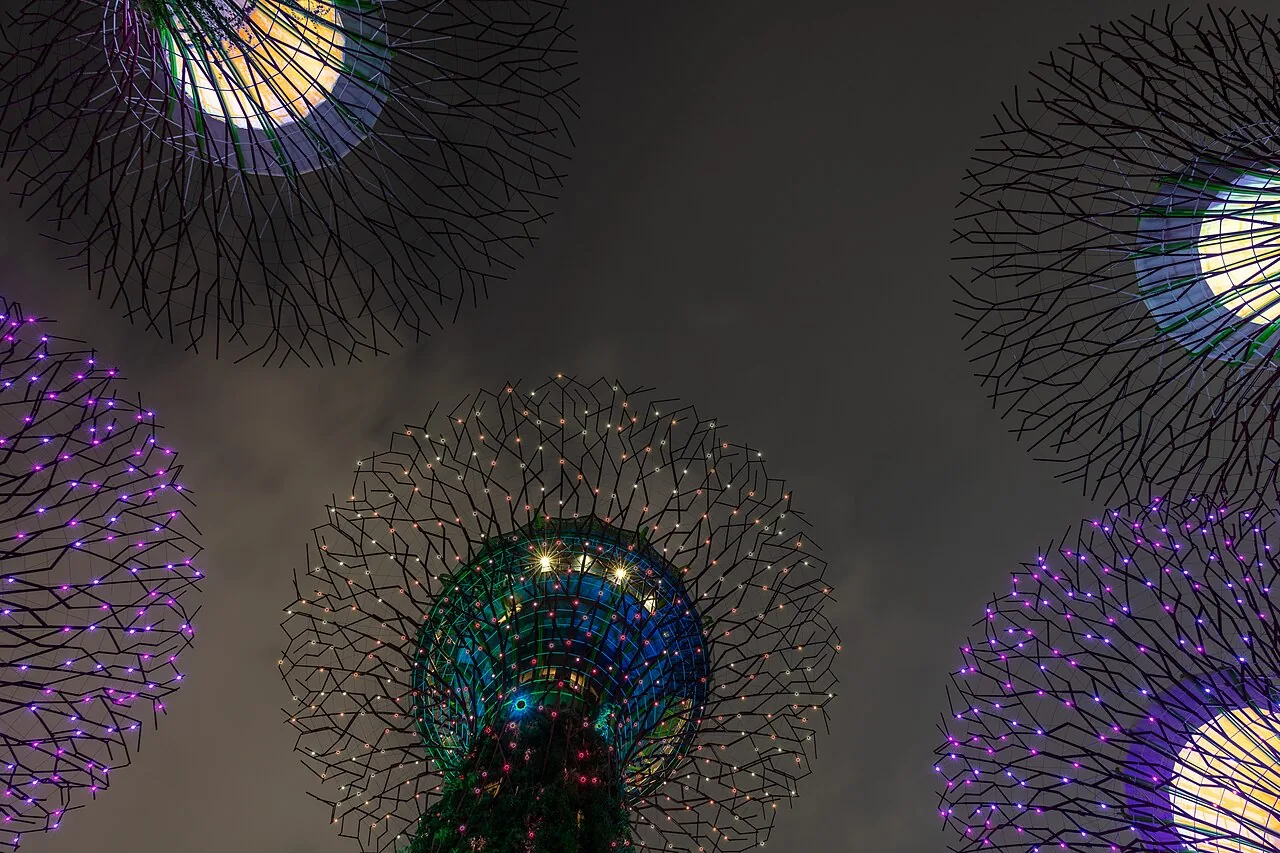
The postcard heart of Singapore. Walk the waterfront promenade past the Merlion, ride or photograph the Singapore Flyer observation wheel (~S$40), and at 7:45pm and 8:45pm catch Garden Rhapsody, the free nightly light-and-sound show among the Supertrees. The two cooled conservatories — the Flower DomeMap and the misty Cloud ForestMap with its indoor waterfall — cost around S$46 for non-resident adults together. The ArtScience MuseumMap and the Marina Bay Sands SkyPark observation deck round out the area. For ticket prices, the free show times and insider tips, see our full Gardens by the Bay guide. For Marina Bay Sands itself — the SkyPark deck, the infinity pool and the casino explained — see our Marina Bay Sands guide.
Sentosa & Universal Studios
Singapore’s resort island. Universal Studios Singapore is the headline draw (adult tickets from ~S$83, child from ~S$66), alongside the excellent Singapore Oceanarium (the former S.E.A. Aquarium)Map, the Skyline Luge, zip-lines, beaches and the Sentosa SkyHelix. It’s an easy full day, especially with kids. For all the rides zone-by-zone, height limits and Express Pass tips, see our full Universal Studios Singapore guide. For the whole island — beaches, the cable car, the Oceanarium and more — see our Sentosa Island guide.
Mandai: Singapore Zoo, Night Safari, River Wonders & Bird Paradise
The Mandai Wildlife Reserve is world-class. The open, moat-based Singapore ZooMap (from ~S$39) is regularly rated among the planet’s best; the adjoining Night Safari (from ~S$48) was the world’s first nocturnal zoo; River WondersMap (from ~S$35) has giant pandas and a manatee river; and Bird ParadiseMap (from ~S$39) is a vast aviary park. Multi-park bundles from ~S$50 save up to 30%. Reach Mandai by Grab or shuttle, and budget half a day to a full day. For all five parks, prices, the best passes and how to get there, see our full Singapore Zoo & Night Safari guide.
Jewel Changi & more
The free Rain Vortex at Jewel, the National Gallery and National Museum, the Singapore Botanic GardensMap (a UNESCO site, free, with the paid National Orchid Garden)Map, and a sunset stroll at Marina BarrageMap all reward a few extra hours. For the Rain Vortex, Canopy Park, free terminal gardens and the best layover plan, see our full Changi Airport & Jewel guide.
| Attraction | Time needed | Cost | Deep-dive |
|---|---|---|---|
| Gardens by the Bay | 2–4 h | Outdoors free; 2 domes ~S$32 | View |
| Universal Studios | Full day | ~S$83 | View |
| Marina Bay Sands SkyPark | 1–3 h | ~S$32 | View |
| Singapore Oceanarium | 2–3 h | ~S$50 | View |
| Zoo & Night Safari (Mandai) | Half–full day | ~S$48 per park | View |
| Sentosa Island | 1–2 days | Entry ~S$4; attractions vary | View |
| Jewel & Changi | 2–4 h | Free (Canopy Park ~S$8) | View |
| Merlion ParkMap | 15–30 min | Free | View |
8. Neighbourhoods to explore on foot
Singapore’s character lives in its walkable districts — spend a morning or afternoon in each and you’ll see the city’s Chinese, Indian, Malay and Peranakan heritage up close. All are MRT-accessible and best explored on foot.
- Chinatown: temples (the Buddha Tooth Relic TempleMap and Sri Mariamman)Map, medicinal-herb shops, the Maxwell hawker centre and lantern-lit streets — especially magical at Chinese New Year.
- Little India: garland sellers, spice shops, the Sri VeeramakaliammanMap Temple, vivid street art and the 24-hour Mustafa Centre. Loud, fragrant and wonderful.
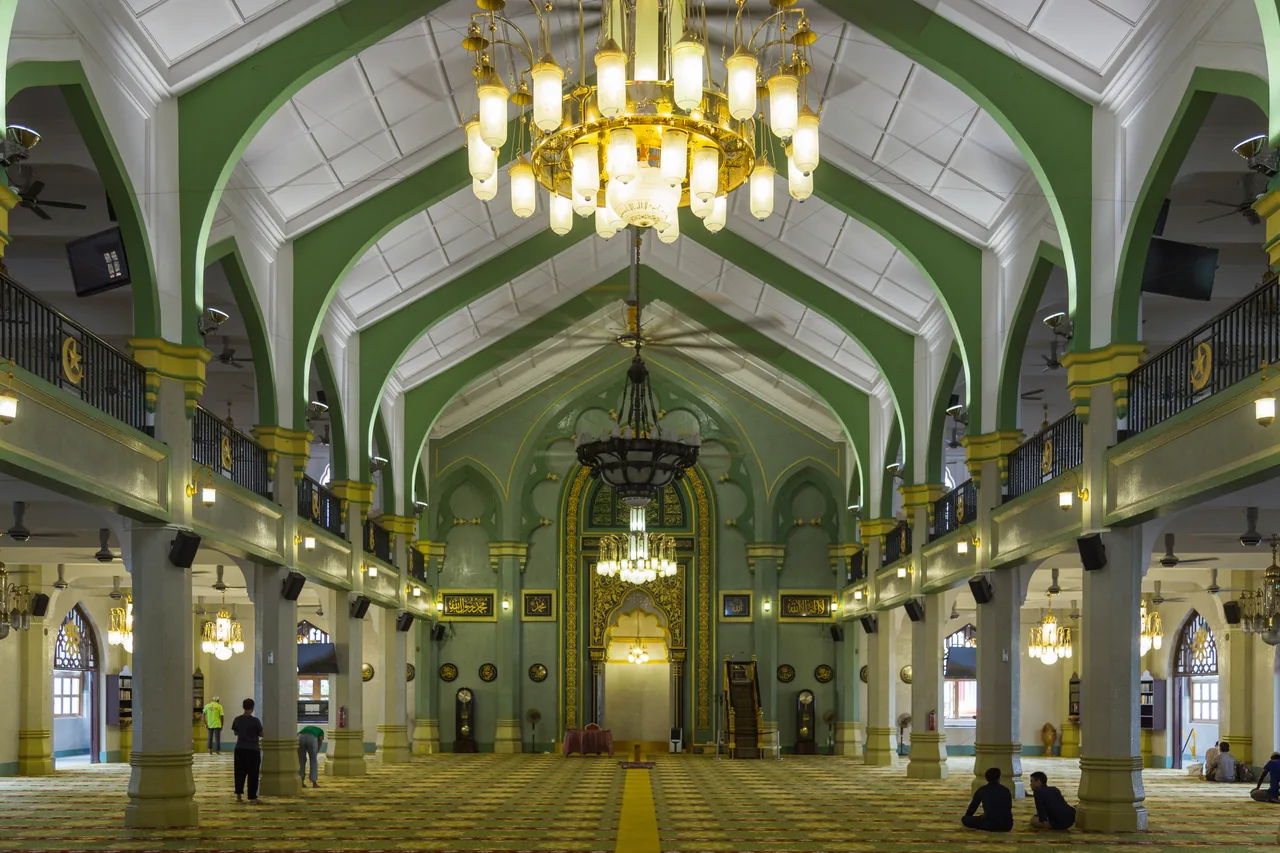
- Kampong Glam: the golden Sultan Mosque, the Malay Heritage district, and hip Haji Lane packed with indie boutiques, cafes and murals.
- Katong / Joo ChiatMap: the heart of Peranakan culture, with pastel shophouses, Nyonya food and the original Katong laksa.
- Tiong Bahru: art-deco walk-ups, indie bookshops, third-wave coffee and one of the best wet-market hawker centres.
- Orchard Road: 2 km of malls and flagship stores, the shopping spine of the city.
- Dempsey HillMap & Holland VillageMap: leafy former barracks turned restaurant-and-brunch enclaves.
- Boat QuayMap & Clarke QuayMap: riverside dining and nightlife in restored godowns.
| Neighbourhood | Vibe | Don’t miss | Nearest MRT |
|---|---|---|---|
| Chinatown | Heritage·temples·food | Buddha Tooth Relic, Maxwell hawker | Chinatown |
| Little India | Colourful·buzzing | Sri Veeramakaliamman, Mustafa | Little India |
| Kampong Glam | Hip·Malay | Sultan Mosque, Haji Lane | Bugis |
| Katong / Joo Chiat | Peranakan·pastel | Shophouses, Katong laksa | Marine Parade |
| Tiong Bahru | Retro·cafés | Indie bookshops, market hawker | Tiong Bahru |
| Orchard Road | Shopping | ION·Paragon malls | Orchard |
| Clarke Quay·Boat Quay | Riverside nightlife | Riverside bars, river cruise | Clarke Quay |
| Dempsey·Holland V | Leafy·brunch | Old-barracks restaurants | Bus·Grab |
9. Where to eat: hawker food & local dishes
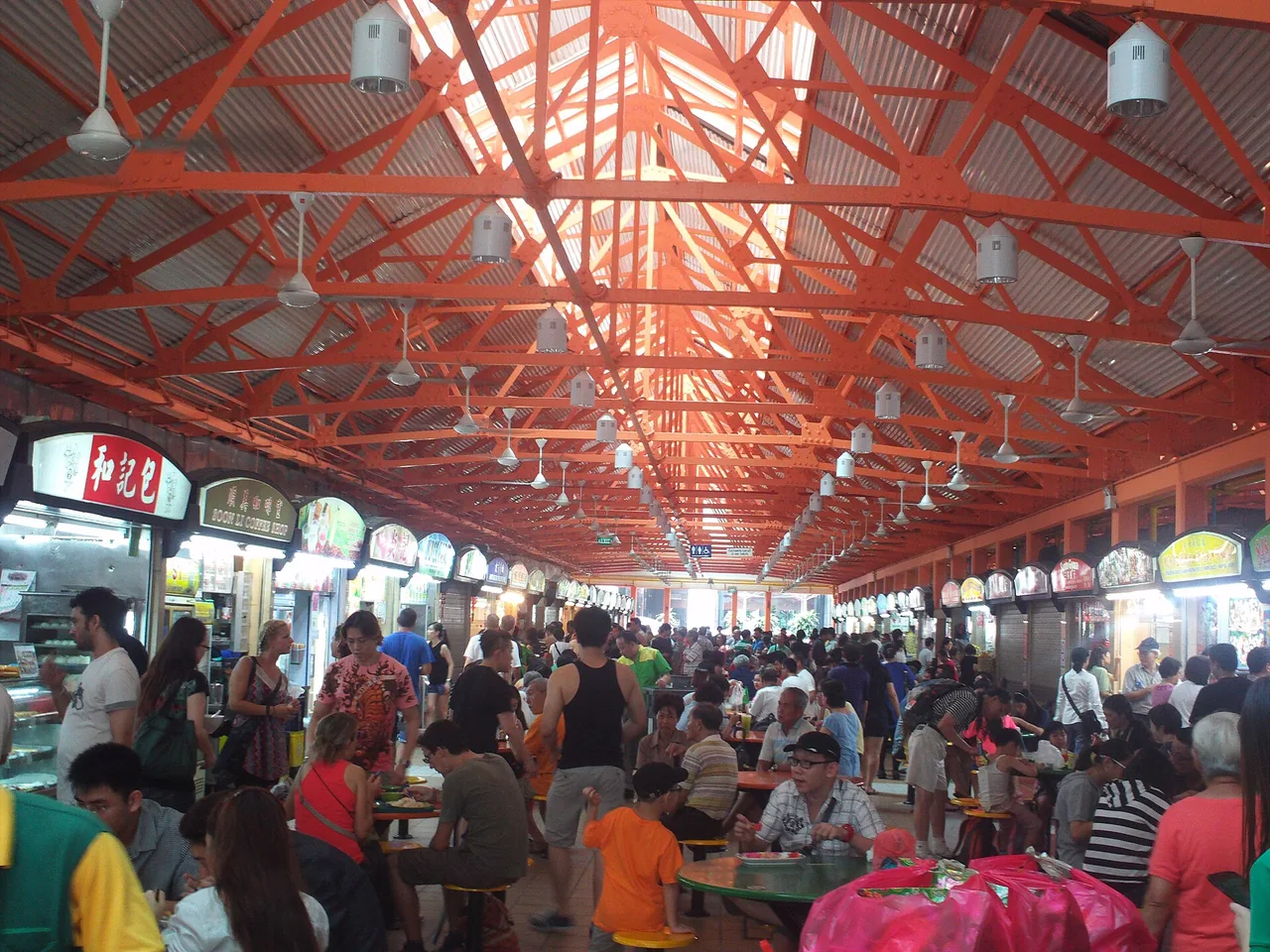
The single best thing you can do in Singapore is eat at a hawker centre — open-air food courts where dozens of specialist stalls each sell one dish, often for under S$8, and a couple have even earned Michelin stars. This is the cheapest, most authentic and most delicious way to eat on the island, and it’s where locals eat too.
Dishes to hunt down: Hainanese chicken rice (the national dish), chilli crab and black pepper crab, laksa (spicy coconut noodle soup), char kway teow (smoky fried flat noodles), satay (grilled skewers with peanut sauce), Hokkien mee, bak kut teh (peppery pork-rib soup), roti prata with curry, nasi lemak, fish-head curry, char siew rice, and for breakfast kaya toast with soft-boiled eggs and kopi (local coffee). Save room for chendol and ice kachang desserts. Bak kut teh changes shape from shop to shop, so which counter you walk to matters. Styles, prices and hours are set out in our bak kut teh guide.
Where to go: Maxwell Food CentreMap (for chicken rice), Lau Pa Sat (a beautiful Victorian hall with a satay street at night), Old Airport RoadMap (a local favourite), Chinatown ComplexMap (home to Michelin-listed stalls), Tiong Bahru MarketMap and Newton (touristy but central). Beyond hawkers, Singapore has everything from Peranakan and Indian banana-leaf meals to world-class fine dining and rooftop bars. Which chicken rice counter to walk to is set out separately in our Hainanese chicken rice guide.
Hawker etiquette: find and ‘chope’ (reserve) a seat first by leaving a packet of tissues on it, then order; queue at each stall; return your tray to the racks; and carry some cash, as some stalls don’t take cards. Halal and vegetarian stalls are clearly labelled and easy to find. For the dishes, the best centres and how to order kopi, see our full Singapore hawker food guide.
10. Money, budgets & costs
The currency is the Singapore dollar (S$), and while Singapore has a reputation for being expensive, your daily budget swings hugely depending on whether you eat at hawker centres or restaurants and how many paid attractions you do. Cards and contactless are accepted almost everywhere; carry some cash for hawker stalls and wet markets. Where the money changers cluster and how the GST refund works are covered in our guide to money in Singapore.
Rough daily budgets per person (excluding hotel): a budget traveller eating at hawker centres, using the MRT and sticking to free sights can do S$40–60 a day; a mid-range day with one paid attraction (S$40–90) and sit-down meals runs S$100–180; a luxury day with fine dining and a rooftop bar easily tops S$300.
Typical costs: hawker meal S$4–8; restaurant main S$15–30; local beer S$10–15; cocktail S$20–28; MRT ride S$1–2; Grab across town S$10–18; bottle of water S$1–2 (or refill for free); major attraction S$40–90. If the Singapore Sling is the plan, the way in is the arcade on North Bridge Road rather than the hotel front door. Queue times and the booking rules are in our guide to Raffles and the Long Bar.
For a full breakdown — daily budgets by travel style, sample 3- and 4-day trip costs, the many free things to do and the money-saving tips that actually work — see our complete Singapore on a budget guide.
GST refund & tax: GST is 9% and a 10% service charge is common in restaurants (the ‘++’ on menus). Tourists can claim a GST refund on purchases over S$100 from participating shops at the airport before departure (look for the eTRS scheme). Alcohol is heavily taxed, so drink during happy hours or buy duty-free.
| Style | Per day (excl. hotel) | Hotel per night |
|---|---|---|
| Budget | ~S$40–60 | Hostel S$30–60 |
| Mid-range | ~S$100–180 | S$150–300 |
| Luxury | S$300+ | S$400+ |
Full breakdown with sample trip totals and the best free sights: our Singapore budget guide.
11. Shopping: malls, markets & souvenirs
Singapore is a shopping heavyweight, from the luxury flagships of Orchard Road to electronics bazaars, weekend markets and the island-wide Great Singapore Sale (roughly mid-June to mid-August 2026). It’s tax-friendly for tourists thanks to the GST refund on purchases over S$100.
- Orchard Road: 2 km of malls — ION OrchardMap, TakashimayaMap, Paragon and more — for fashion and luxury.
- Marina Bay: The Shoppes at Marina Bay Sands for high-end brands and a canal with sampan rides.
- Bugis Street & Bugis+: bargain fashion and souvenirs, the city’s biggest street market.
- Mustafa Centre (Little India): a sprawling 24-hour department store for electronics, gold and everything else.
- Funan & Sim Lim Square: tech and electronics (haggle and check warranties at Sim Lim).
- Haji Lane & Tiong Bahru: indie boutiques and design.
Souvenirs to bring home: kaya jam, Bengawan Solo or Bee Cheng Hiang snacks, Tiger Balm, Singapore Sling kits, Peranakan-print goods, local kopi, and Merlion-themed kitsch. For chilli-crab fans, ready-to-cook sauce packets travel well.
12. Nightlife & rooftop bars
After dark Singapore shifts from rooftop cocktails over Marina Bay to riverside bars, craft-beer dens and late-night hawker supper — there’s something for every pace, though drinks are pricey.
- Rooftop bars: CÉ LA VIMap atop Marina Bay Sands, 1-Altitude, Smoke & MirrorsMap at the National Gallery and Mr StorkMap for skyline views.
- Clarke Quay & Boat Quay: the riverside nightlife strip of clubs, bars and restaurants in restored warehouses.
- Cocktail dens: Singapore’s bar scene is Asia’s best — many of the world’s top bars (AtlasMap, Jigger & PonyMap, Native)Map are here. Try the original Singapore Sling at the historic Raffles Long Bar.
- Craft beer & live music: around Kampong Glam, Tanjong Pagar and Dempsey.
Good to know: alcohol is expensive (hit happy hours, usually before 8pm), retail alcohol sales are restricted between 10:30pm and 7am, and drinking in public spaces is banned during those hours. The MRT stops around midnight, so plan a Grab home.
13. Singapore with kids
Singapore is one of Asia’s most family-friendly destinations — clean, safe, stroller-friendly and air-conditioned, with a remarkable density of attractions children love.
- Sentosa: Universal Studios, the S.E.A. Aquarium, beaches, the Skyline Luge and Adventure CoveMap Waterpark.
- Mandai: the Singapore Zoo, Night Safari, River Wonders (giant pandas) and Bird Paradise.
- Gardens by the Bay: the Cloud Forest, the Far East Organization Children’s Garden (free water play) and the Supertree show.
- Science Centre Singapore and the ArtScience Museum’s Future World digital playground.
- Jewel ChangiMap: the Canopy Park play nets and the free Rain Vortex.
Practicalities are easy: clean public toilets and nursing rooms are everywhere, the MRT and most attractions are pram-accessible, tap water is safe, and medical care is excellent. Bring sun protection and plan indoor attractions for the hottest midday hours.
For the full family playbook — every attraction, the free water playgrounds, rainy-day ideas, getting around with a stroller, where to stay and ready-made itineraries by age — see our complete Singapore with kids guide.
14. Day trips from Singapore
Singapore’s size means you can easily add a half- or full-day escape — to a car-free island, the Southern Islands, or even across the border to Malaysia or Indonesia.
- Pulau Ubin: a 10-minute bumboat from Changi Point to a rustic, car-free island of mangroves, old kampong (village) life and the Chek Jawa wetlands — rent a bike and step back in time.
- The Southern Islands: Lazarus Island and St John’s Island offer quiet beaches a short ferry from Marina South Pier.
- Johor Bahru, Malaysia: just across the Causeway (bring your passport) for cheaper shopping, food and theme parks like LEGOLAND. Allow time for immigration queues, which can be long.
- Bintan & Batam, Indonesia: beach resorts and spa getaways a 1–1.5 hour ferry from Tanah Merah or HarbourFront (passport and possibly visa-on-arrival required).
For border day trips, always carry your passport, check current entry rules for your nationality, and start early to beat the crowds.
15. Festivals & events calendar (2026)
Timing your trip around a festival adds a whole extra dimension — Singapore’s multicultural calendar means there’s almost always something on. Key 2026 dates (confirm closer to the time):
- Chinese New Year — 17 Feb 2026 (Year of the Horse; celebrations run ~2 weeks): Chinatown lights, the Chingay Parade and River Hongbao.
- Thaipusam — 1 Feb 2026: a striking Hindu procession of devotees carrying kavadi from Little India to Tank Road.
- Great Singapore Sale — ~mid-June to mid-August: island-wide retail discounts (dates now set per-retailer).
- Hari Raya Puasa (end of Ramadan, ~March) and Hari Raya Haji: Geylang Serai bazaar and festive Malay food.
- National Day — 9 Aug: a spectacular parade and fireworks over Marina Bay (tickets are balloted).
- Mid-Autumn Festival — 25 Sep 2026: lantern displays in Chinatown and Gardens by the Bay, plus mooncakes.
- F1 Singapore Grand Prix — 9–11 Oct 2026: the glamorous Formula 1 night race around Marina Bay, with major concerts (a Sprint format debuts in 2026).
- Deepavali — 9 Nov 2026: Little India glows with lights for the Hindu festival of lights.
- Christmas & New Year: Orchard Road’s dazzling light-up and Marina Bay countdown fireworks.
| 2026 event | When | Expect |
|---|---|---|
| Chinese New Year | 17–18 Feb | Chinatown light-up; some closures; high hotel rates |
| National Day | 9 Aug | Parade & fireworks over Marina Bay |
| F1 Singapore Grand Prix | 9–11 Oct | Night race downtown; hotel prices surge |
| Deepavali | 8 Nov | Little India illuminated |
| Christmas on Orchard | Nov–Dec | Festive light-up along Orchard Road |
What each festival means for crowds and prices: our best time to visit guide.
Visiting in early August? Singapore’s biggest night of the year is National Day — our guide explains exactly where visitors can watch the fireworks for free. The Singapore Night Festival (late Aug) and the Hungry Ghost and Mid-Autumn seasons add more atmosphere through August and September.
16. Practical A-Z: entry, SIM, safety & etiquette
Singapore is famously easy and orderly, but a few practical details and its strict laws are worth knowing before you arrive.
- Visa & SG Arrival Card: most visitors enter visa-free for 30–90 days; everyone must submit the free SGAC online within 3 days before arrival (official ICA site only).
- SIM / eSIM: an eSIM is the easiest way to be online the moment you land; tourist SIMs (Singtel, StarHub, M1) are also sold at the airport and convenience stores. See our full Singapore eSIM & SIM guide for the best providers and setup steps.
- Plugs & power: Type G (UK three-pin), 230V — bring an adapter.
- Tap water: safe to drink everywhere.
- Money: contactless cards and mobile wallets work nearly everywhere; carry some cash for hawkers. Tipping is not expected.
- Language: English is universal; Mandarin, Malay and Tamil are also official.
- Strict laws: heavy fines for littering, jaywalking, eating/drinking on the MRT, and smoking outside designated areas. Vaping (e-cigarettes) is completely banned — don’t bring them. Chewing gum import is restricted. Drug offences carry the harshest penalties in the world, including the death penalty.
- Etiquette: dress modestly for temples and mosques (cover shoulders and knees; remove shoes where required); queue patiently; keep your voice down on public transport.
- Health & safety: excellent hospitals, no required vaccinations, very low crime. Emergency numbers: 999 (police), 995 (ambulance & fire).
- Connectivity: free public Wi-Fi (Wireless@SGx) and superb mobile coverage everywhere.
- Travel insurance: Singapore’s healthcare is world-class but costly for visitors, so travel medical insurance is worth having — many long-stay travellers use SafetyWing Nomad Insurance.
17. First-timer mistakes to avoid
Most first-timer regrets in Singapore come down to underestimating the heat, overpaying for taxis, and missing the free experiences — a little planning avoids them all.
- Underestimating the heat and humidity. Pace yourself, carry water, and plan indoor, air-conditioned breaks for the hottest midday hours.
- Taking taxis everywhere when the MRT is usually faster and a fraction of the cost.
- Not booking Universal Studios and popular attractions online in advance — it’s cheaper and lets you skip ticket queues.
- Forgetting the SG Arrival Card (mandatory and free) — and falling for paid copycat websites.
- Eating only in malls and tourist restaurants and missing the cheaper, tastier hawker centres where locals eat.
- Not ‘chope-ing’ a hawker seat with a tissue packet before you queue to order.
- Buying bottled water when the tap water is safe and free to refill.
- Jaywalking, eating on the MRT, or bringing a vape — all can earn fines, and vapes are banned outright.
- Trying to cram too much in. Singapore rewards a slower pace, a sunset drink and a late hawker supper.
- Seeing only Marina Bay and skipping the neighbourhoods — Chinatown, Kampong Glam, Little India and Katong — where the real character lives.
18. Useful apps & staying connected
A handful of apps make Singapore even easier — download them before you arrive and grab an eSIM so you’re online the moment you land.
- Grab — ride-hailing, food delivery and payments, Southeast Asia’s everyday super-app.
- Google Maps, Citymapper or MyTransport.SG — for accurate MRT, bus and walking directions.
- An eSIM app (or a tourist SIM bought at the airport) for instant mobile data on arrival.
- MyICA or the official ICA website — to submit your free SG Arrival Card.
- Visit Singapore and a weather app — for what’s on and the daily forecast.
Free public Wi-Fi (Wireless@SGx) is widely available and mobile coverage is excellent everywhere, including underground on the MRT. With data on your phone, navigating, translating a menu, booking a Grab and paying contactlessly all become effortless.
One thing every app on this list shares: it needs data. Sort a Singapore eSIM before you fly and everything above works from the moment you land — and see our transport guide for how SimplyGo and contactless payments work on trains and buses.
19. Suggested itineraries (1–5 days)
For a first visit, three to four days is ideal; here’s a flexible framework you can mix and match.
Day 1 — Marina Bay: Merlion Park and the waterfront by morning, the ArtScience Museum or Singapore FlyerMap in the afternoon, then the Gardens by the Bay conservatories and the free 7:45pm Garden Rhapsody light show at night.
Day 2 — Sentosa: Universal Studios for the day, plus the S.E.A. Aquarium or a beach, and the cable car back for sunset views over the harbour.
Day 3 — Culture & food: Chinatown in the morning, Little India and Kampong Glam in the afternoon, hawker meals throughout, and Clarke Quay or a rooftop bar at night.
Day 4 — Wildlife or museums: a day at the Mandai parks (Zoo + River Wonders, or Night Safari in the evening), or the National Gallery and Botanic Gardens — and don’t miss the Jewel Rain Vortex before you fly home.
Day 5 — Slow down: a day trip to Pulau Ubin or the Southern Islands, Katong’s Peranakan lanes, Orchard Road shopping, or a Singapore River cruise.
Short on time? A single perfect day: morning in Chinatown with chicken rice at Maxwell, afternoon at Gardens by the Bay, sunset drink over Marina Bay, and the Supertree light show to finish.
| Day | Focus |
|---|---|
| Day 1 | Marina Bay & Gardens by the Bay (finish with the free Supertree show) |
| Day 2 | Sentosa & Universal Studios |
| Day 3 | Chinatown, Little India & Kampong Glam + hawker food |
| Day 4 | Mandai wildlife parks or museums, then Jewel Changi |
| Day 5 | A day trip, Katong’s Peranakan lanes, or Orchard shopping |
Only here between flights? Our Singapore layover guide has 6-, 12- and 24-hour plans, including the free Singapore tour.
20. Good to know for international visitors
Singapore is a major global hub, so wherever you’re flying from, you’ll likely arrive on a direct or one-stop flight into Changi — and once you land, the city is unusually easy for first-time Asia travellers.
English is everywhere, signage is clear, the streets are clean and safe, and the systems (transport, payments, queuing) are intuitive and orderly, which makes Singapore a gentle, low-stress introduction to the region. It’s also an ideal first or last stop on a longer Southeast Asia trip, with easy onward connections to Malaysia, Indonesia, Thailand and beyond.
A few cultural notes that smooth any visit: Singapore is multicultural and conservative in public spaces, so dress modestly at religious sites, respect the strict cleanliness and anti-littering norms, and remember that what’s casual elsewhere (jaywalking, vaping, eating on the train) can earn a fine here. In return you get a city that simply works — and one of the friendliest, most diverse food scenes on the planet. Browse our detailed guides for each attraction, neighbourhood and dish to build your perfect trip.