
Singapore in September: Weather, Haze Alert, Mid-Autumn Festival and F1 Booking Season
A deep guide to visiting Singapore in September: how hot, rainy and hazy it really gets, the Mid-Autumn Festival and Chinatown Lantern Festival, why hotel prices start climbing ahead of October’s F1 weekend, what to pack, and the smartest way to spend the month.
| Season | Tail of the Southwest Monsoon (Jun-Sep, sometimes into early Oct): hot, humid, frequent afternoon storms |
|---|---|
| Daytime high | ~31C (88F), with occasional spikes to 35C (95F) |
| Night low | ~26C (79F) |
| Rainfall | ~172 mm over ~8-15 days, mostly short afternoon thunderstorms |
| Haze risk | Red-alert year in 2026: near-peak in September, may persist into October, check the NEA PSI daily and pack an N95 |
| Big event | Mid-Autumn Festival, 25 September 2026, plus the Chinatown LanternMap Festival, 18 September to 20 October |
| Booking alert | October’s F1 Grand Prix (9-11 Oct) is not in September, but hotel rates around it start surging in September, so book early if you plan to attend |
| Crowds | Two overlapping peaks: Mid-Autumn weekend and F1 pre-booking demand; book 2-4 weeks ahead normally, 6-8+ weeks for F1-adjacent stays |
1. Is September a Good Time to Visit Singapore?
2. What Is the Weather Like in Singapore in September?
3. How Hot Does Singapore Actually Feel in September?
4. September Rain Patterns and What to Do Indoors
5. Warning: How Bad Is the Haze in Singapore in September?
6. What Should You Pack for Singapore in September?
7. Mid-Autumn Festival and the Chinatown Lantern Festival in September
8. Is the Hungry Ghost Festival Still Happening in September?
9. October F1 Grand Prix: Why You Should Book in September
10. Crowds, Prices and Peak Season in September
11. What Are the Best Things to Do in Singapore in September?
12. A Smart September Day Plan, Hour by Hour
13. A September 2-Night, 3-Day Mini Itinerary
14. September Singapore Travel Checklist
15. September vs Other Months: When Should You Go?
16. Wrap-Up: Planning Your September Trip to Singapore
September in Singapore means the tail of the southwest monsoon, a red-alert haze season near its 2026 peak, and the city’s biggest Mid-Autumn Festival lantern displays. This guide covers exactly what to expect, including why September, not October, is when you should book for the Formula 1 Grand Prix.
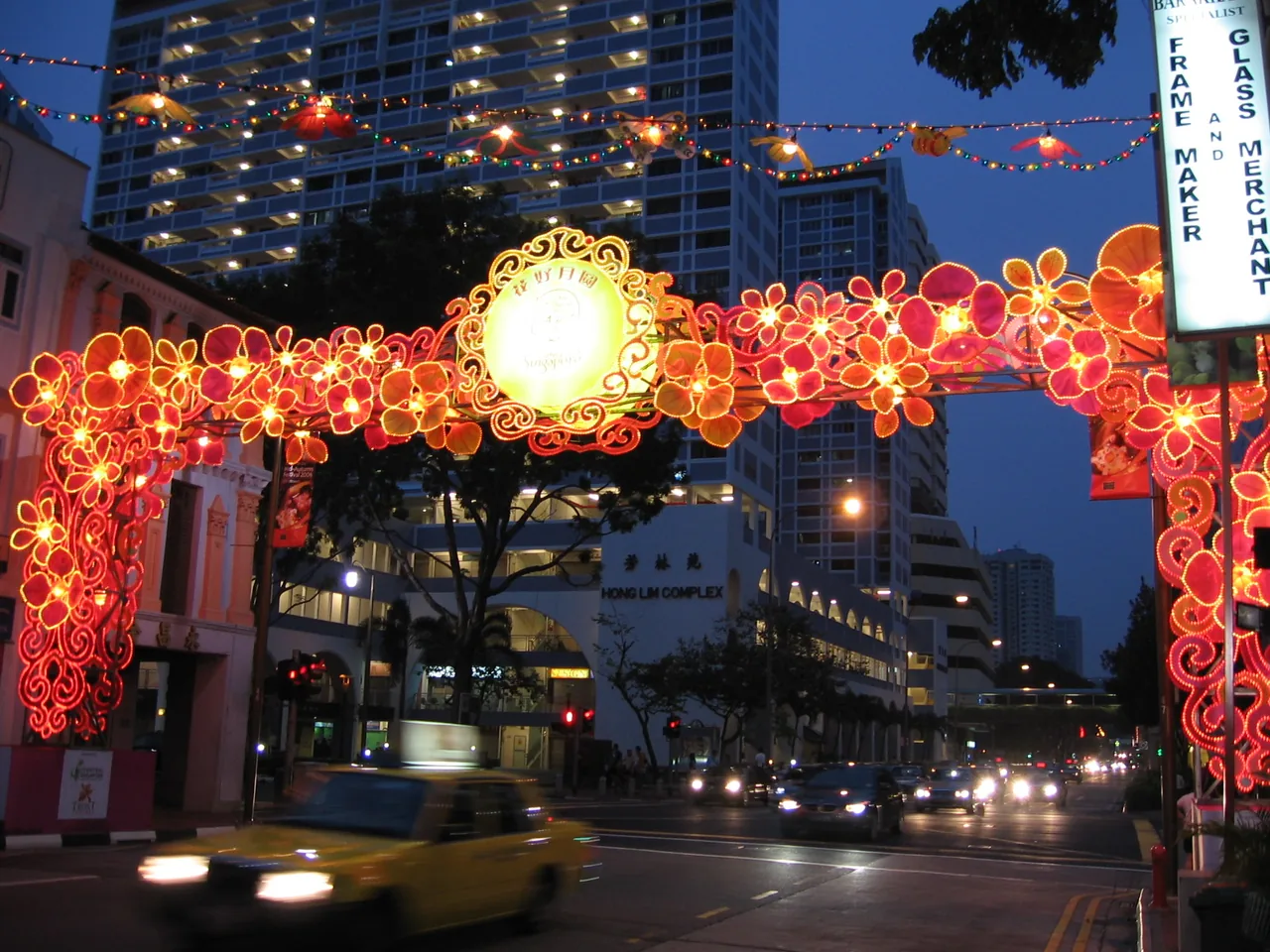
1. Is September a Good Time to Visit Singapore?
Yes, September works well for Singapore if you plan around two overlapping pressures: a near-peak haze risk and a double dose of demand from Mid-Autumn Festival and early bookings for October’s F1 weekend.
September sits at the tail end of the Southwest Monsoon, so the weather itself barely shifts from August: hot, humid, and prone to a short, heavy thunderstorm most afternoons. What changes is the calendar. Mid-Autumn Festival falls on 25 September 2026, filling Chinatown and Gardens by the BayMap with lanterns, and at the same time hotel rates across the city begin climbing ahead of the October Formula 1 Singapore Grand Prix, even though the race itself does not take place until October.
Add in a haze outlook the region is treating as a red-alert year, and September becomes a month that rewards a traveller who checks the daily air quality, books earlier than usual, and keeps an indoor backup plan ready for the afternoon.
| Reasons to come in September | Things to plan around |
|---|---|
| Mid-Autumn Festival (25 Sep) and the Chinatown Lantern Festival (18 Sep-20 Oct), free and open to visitors | Near-peak 2026 haze risk: check the PSI daily, pack an N95 |
| Hungry Ghost Festival winds down by 11 September, a last chance to see the tradition | Hotel rates already climbing ahead of the October F1 weekend |
| Standing free shows continue: Spectra, Garden Rhapsody, hawker culture | Hot, humid midday with a near-daily afternoon thunderstorm |
| Somewhat quieter than July-August, with schools back in session | Two overlapping peak-demand windows: Mid-Autumn weekend and the F1 pre-booking surge |
The rest of this guide works through each of these in detail, from the weather and haze data to the Mid-Autumn events and the F1 booking timeline. For the wider year, see our best time to visit Singapore guide at Breeze Singapore, or start from our complete Singapore guide at Breeze Singapore.
2. What Is the Weather Like in Singapore in September?
September stays firmly inside the Southwest Monsoon: daytime highs around 31C (88F) with occasional spikes to 35C (95F), nights around 26C (79F), high humidity, and roughly 172 mm of rain spread across 8 to 15 days, mostly as afternoon thunderstorms rather than steady all-day rain.
| What | September in Singapore |
|---|---|
| Daytime high | ~31C (88F), occasional spikes to 35C (95F) |
| Night low | ~26C (79F) |
| Humidity | High year-round; September feels sticky most afternoons |
| Rainfall | ~172 mm over ~8-15 days |
| Rain pattern | Short, heavy afternoon thunderstorms; occasional early-morning Sumatra squall |
| Wind | Southwest Monsoon tail, with mixed southeasterly spells |
| Sea temperature | ~29C, warm enough for swimming |
| UV | Very strong all day; sun protection essential year-round |
Because Singapore sits just north of the equator, month-to-month swings are small, but the differences between August, September and October still matter for planning, especially around haze and events.
| Factor | August | September | October |
|---|---|---|---|
| Daytime high | ~30-31C | ~31C | Similar, as the inter-monsoon transition begins |
| Rainfall | ~166 mm | ~172 mm | Showers grow more unpredictable |
| Haze | Rising | Near-peak, may persist | Could extend into October in a strong dry-season year |
| Headline event | National Day | Mid-Autumn Festival | F1 Grand Prix, 9-11 October |
August carried its own headline weather and event story; see our August guide at Breeze Singapore for that month’s numbers side by side.
3. How Hot Does Singapore Actually Feel in September?
Officially September’s daytime high sits around 31C, but with humidity frequently above 80%, the heat actually feels like 35 to 38C or more during the exposed midday hours, roughly 11am to 3pm.
| Time | Conditions | What it feels like |
|---|---|---|
| Early morning (6-9am) | Coolest part of the day, often dry and clear | Comfortable for walking; the best window for outdoor sightseeing |
| Late morning to midday (9am-2pm) | Sun climbs, humidity builds | Feels noticeably hotter than the thermometer, strong UV |
| Afternoon (2-6pm) | Peak heat, thunderstorm risk rises | Best spent indoors: malls, museums, cooled conservatories |
| Evening (6-10pm) | Temperature eases slightly, humidity lingers | Pleasant for hawker dinners, lantern displays and waterfront walks |
4. September Rain Patterns and What to Do Indoors
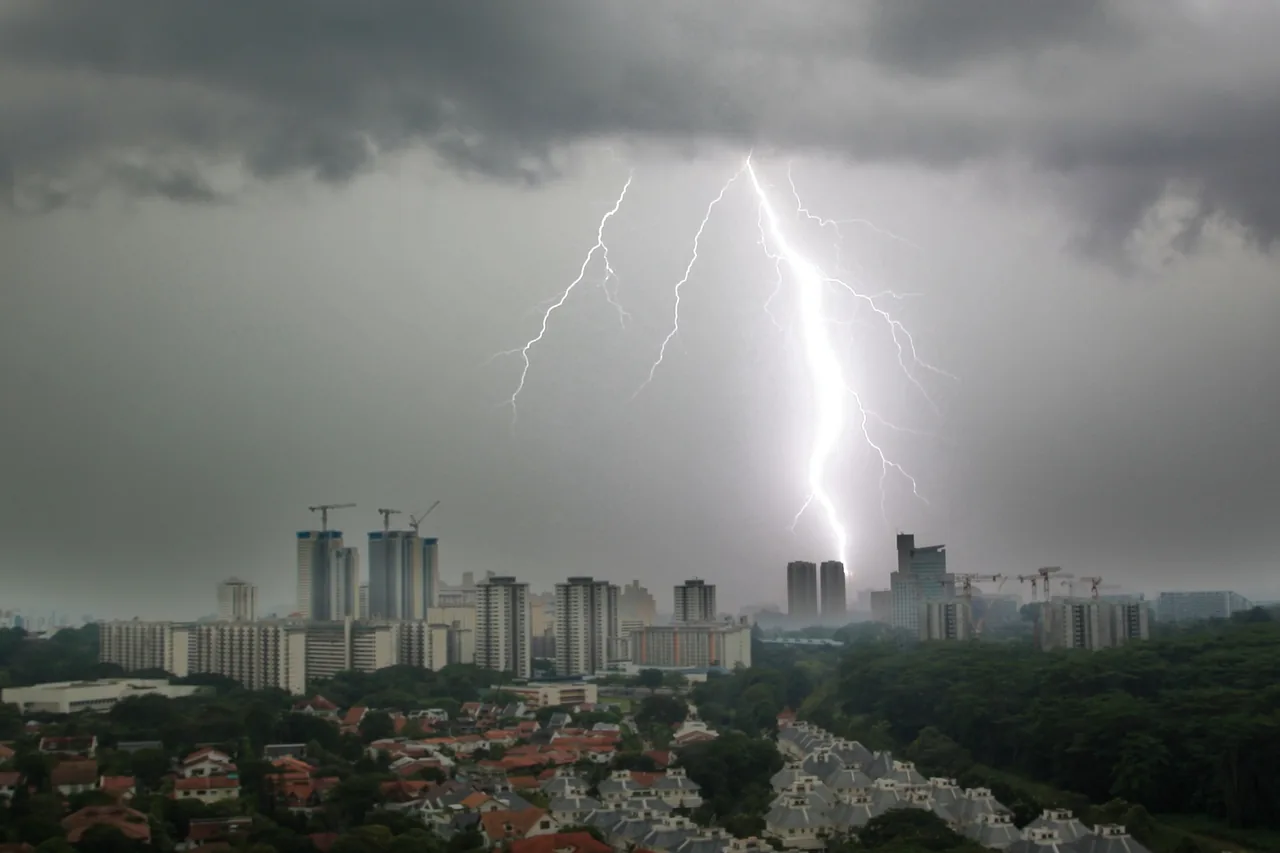
September rain in Singapore usually arrives as a short, intense Sumatra-squall-style thunderstorm in the afternoon, dumping heavy rain for 30 to 90 minutes before clearing, rather than settling in as steady all-day drizzle.
Two rain patterns show up in September. The more common one is the classic afternoon thunderstorm: skies build up through the late morning, then break into a heavy downpour sometime between early and late afternoon, clearing within an hour or two back to humid sunshine. Less often, an early-morning Sumatra squall rolls through before sunrise, a fast-moving line of wind and rain that clears by breakfast and rarely disrupts a full day of plans.
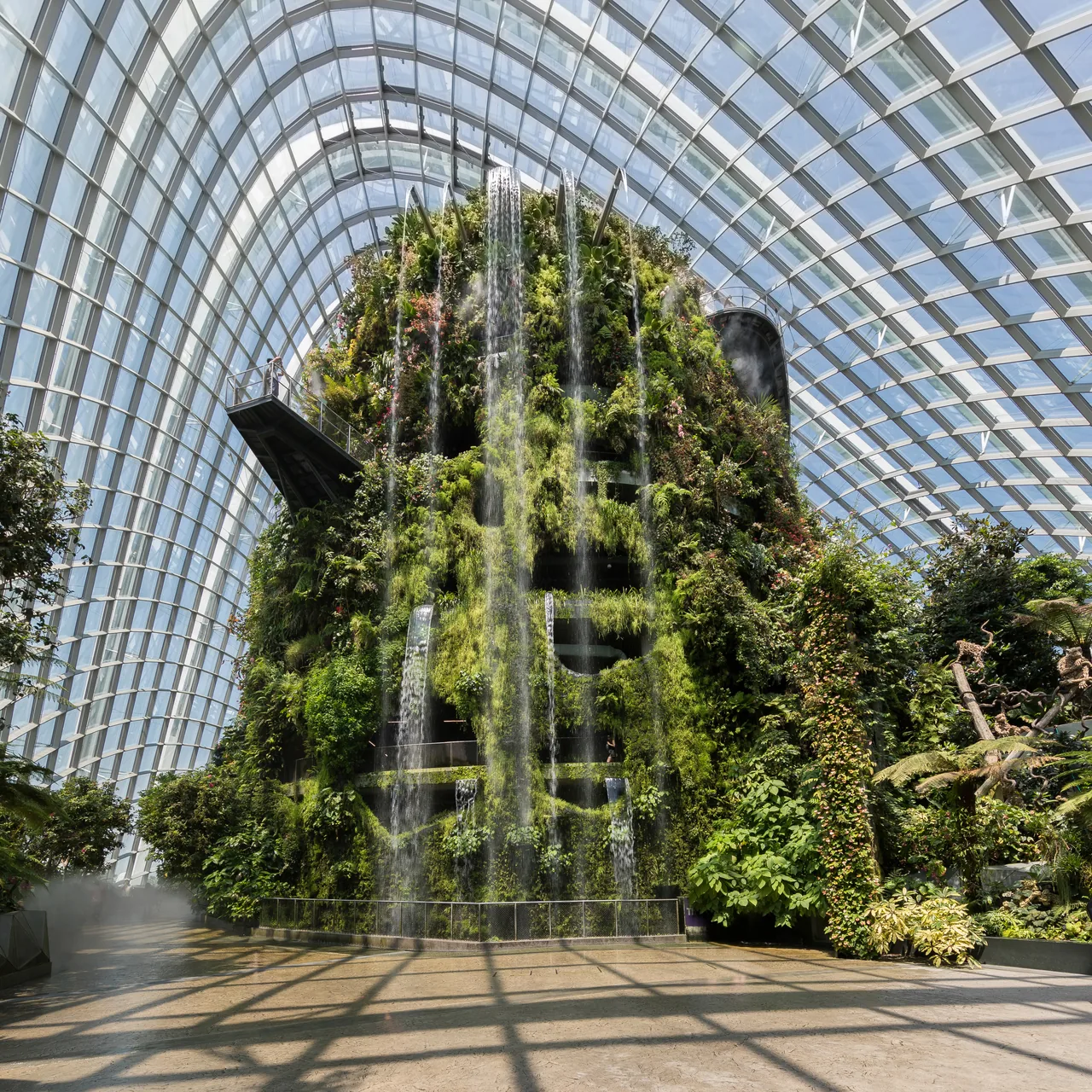
When the afternoon storm hits, the easiest fix is to have an air-conditioned option already in mind rather than waiting it out under an awning. Shopping malls, museums, the aquarium and Jewel ChangiMap AirportMap all work, and so do the cooled conservatories at Gardens by the Bay, the Flower DomeMap and Cloud ForestMap, though it is worth knowing upfront that both are paid attractions, not free like the outdoor Supertree Grove.
For a longer list of rainy-afternoon backup plans across the city, see our rainy-day guide at Breeze Singapore.
5. Warning: How Bad Is the Haze in Singapore in September?
September 2026 sits at or near the peak of Singapore’s haze season: forecasters are calling this a red-alert year, and the risk is expected to stay elevated through September and possibly stretch into October rather than easing off from August.
| PSI range | Category | What to do |
|---|---|---|
| 0-50 | Good | Carry on as normal |
| 51-100 | Moderate | Sensitive groups take care outdoors |
| 101-200 | Unhealthy | Limit prolonged outdoor activity; sensitive groups wear an N95 |
| 201-300 | Very unhealthy | Minimise time outdoors; stay indoors where possible |
| 300+ | Hazardous | Avoid outdoor activity |
Travellers with asthma or other respiratory conditions, pregnant travellers, infants and older adults should be the most cautious and build in extra indoor time on bad-air days. Most healthy travellers only need to check the daily reading and stay flexible, shifting outdoor plans indoors when the PSI climbs rather than cancelling the trip altogether.
6. What Should You Pack for Singapore in September?
Pack for heat, sudden rain and possible haze: light breathable clothing, a folding umbrella, SPF50+, an N95 mask, and a light layer for aggressive indoor air-conditioning.
| Item | Why |
|---|---|
| Light, breathable clothing (cotton or linen) | Handles the heat and humidity of a Southwest Monsoon September |
| Compact umbrella | Afternoon thunderstorms arrive fast and heavy |
| SPF50+ sunscreen, sunglasses, a hat | UV is very strong even on a hazy or cloudy-looking day |
| A light jacket or cardigan | Malls, museums and transit run their air-conditioning cold |
| N95 mask | 2026’s red-alert haze year makes this a near-essential, not optional |
| Quick-dry, comfortable shoes | You will be walking through both heat and sudden rain |
| Reusable water tumbler | Hydration matters more than usual in the humidity |
| Shoulder-and-knee cover-up | Needed for temple visits and some night market or cultural events |
If you forgot to pack a mask, N95s are easy to find once you land: Guardian, Watsons and Unity pharmacies stock them at most MRT-linked malls, usually for around S$2 a piece or S$8 to S$12 for a small box of five, and the pharmacy counters at Changi Airport carry them too. Favour synthetic or quick-dry fabrics over cotton, since cotton stays damp and clings once it absorbs sweat in this humidity, while a polyester or nylon blend dries out again within an hour of stepping into air-conditioning. The same reasoning applies to footwear: closed cotton sneakers stay soggy through an afternoon downpour, so a breathable mesh trainer or a sports sandal that sheds water quickly holds up better than a heavier shoe. One local habit worth adopting: most malls and MRT station entrances keep a plastic umbrella-sleeve dispenser just inside the door, and slipping a dripping umbrella into the sleeve before walking further in is standard courtesy here, keeping floors dry and saving cleaning staff from mopping the same spot every ten minutes.
7. Mid-Autumn Festival and the Chinatown Lantern Festival in September
Mid-Autumn Festival falls on 25 September 2026, and Singapore marks it with a month-long Chinatown Lantern Festival (18 September to 20 October) plus a seasonal lantern display at Gardens by the Bay, both free to view and genuinely welcoming to visitors.
Mid-Autumn Festival celebrates the year’s brightest full moon, family reunion and the sharing of mooncakes, a tradition with roots going back centuries in Chinese culture. Unlike a temple ceremony, it plays out largely on the street, with lanterns, food stalls and performances that any visitor can wander into without feeling out of place.
Chinatown Lantern Festival
Chinatown hosts a free street light-up nightly from around 7pm to midnight, running from 18 September through 20 October 2026. Giant lantern installations line Eu Tong Sen Street, New Bridge Road, South Bridge Road and Upper Cross Street, while Kreta Ayer Square anchors the festival with live performances, a mass lantern walk and a mooncake market.
Gardens by the Bay lantern display
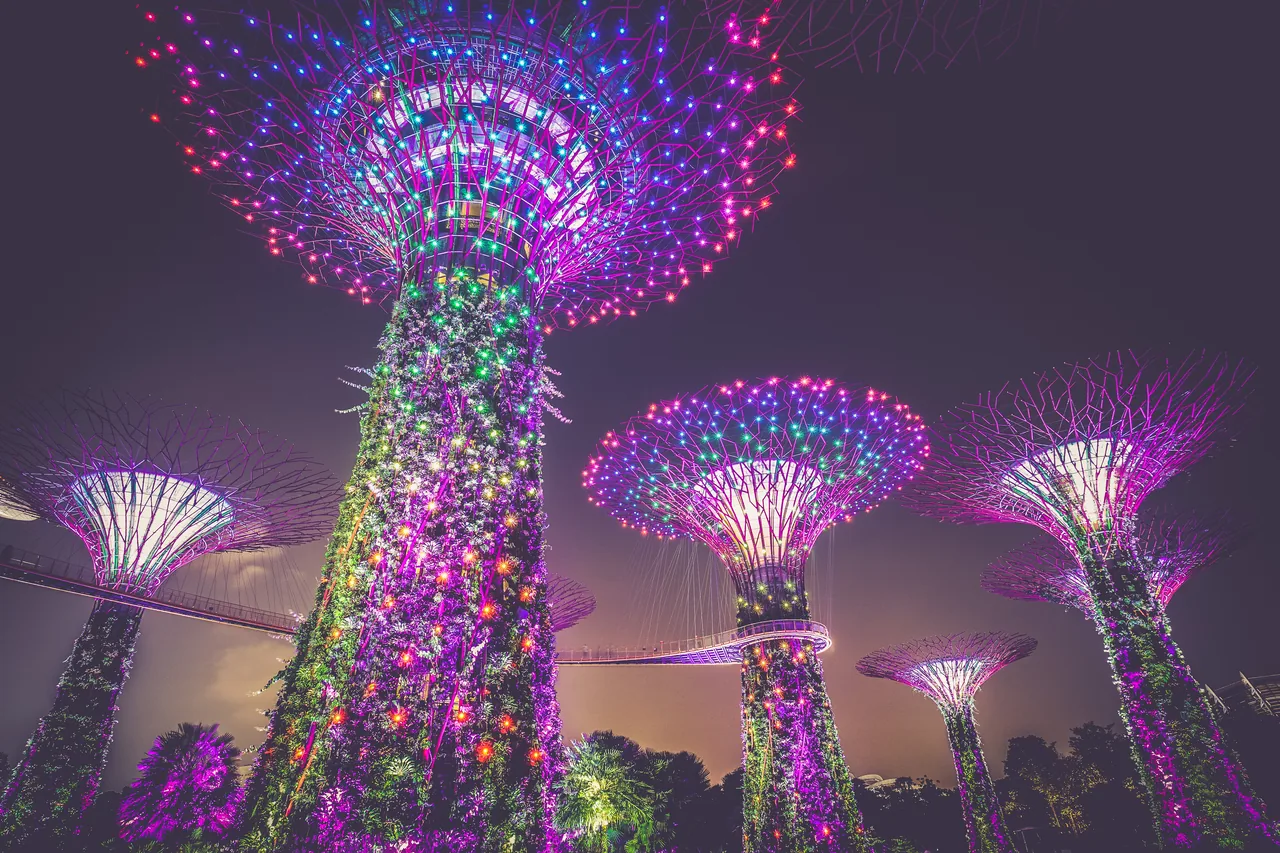
Gardens by the Bay adds its own seasonal touch around the Supertree Grove starting from mid-September, with large Mid-Autumn-themed lanterns lit from around 6pm to 10pm alongside the regular evening light show. Some evenings include traditional performances or lantern-making activities. The Supertree Grove display itself is outdoors and free, while the Flower Dome and Cloud Forest conservatories remain separate, paid attractions. Because the exact 2026 dates and programme can shift from year to year, it is worth checking the official Gardens by the Bay website closer to your visit.
| Spot | Why go |
|---|---|
| Kreta Ayer Square, Chinatown | Live performances and the densest cluster of lanterns |
| Eu Tong Sen Street and New Bridge Road | A lantern tunnel effect running along the main streets |
| Supertree Grove, Gardens by the Bay | The best photo spot for the seasonal lantern display |
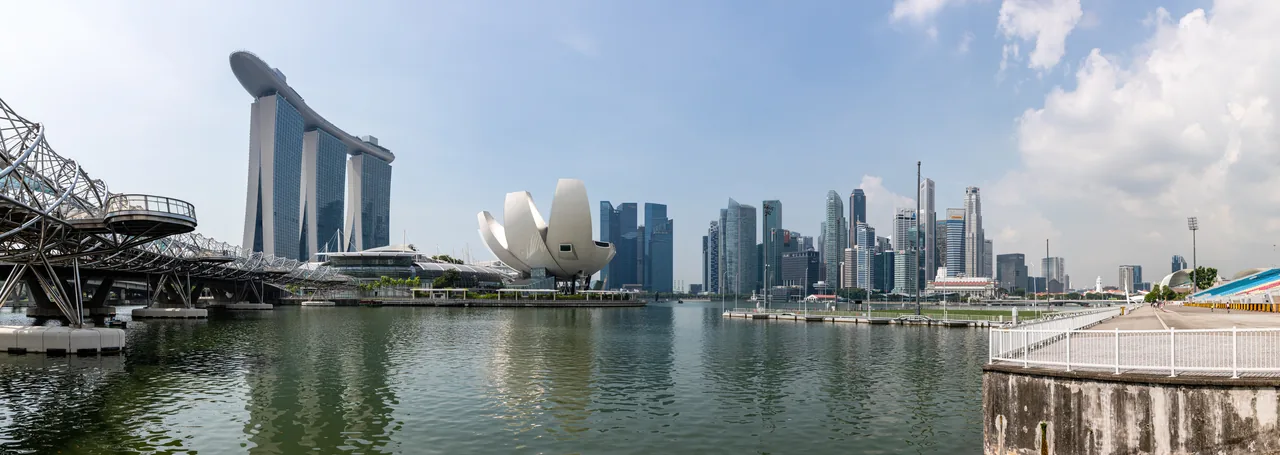
| Marina Bay promenade | Skyline views paired with the rising full moon |
For more on the gardens themselves outside festival season, see our full Gardens by the Bay guide at Breeze Singapore.
8. Is the Hungry Ghost Festival Still Happening in September?
Yes, briefly: the Hungry Ghost Festival that begins in August continues into the first three weeks of September and wraps up by around 11 September 2026, after which the roadside offerings and getai performances taper off.
The full background on the festival’s origins and what it looks like on the ground is covered in our August guide at Breeze Singapore. Visitors in Singapore during early or mid-September are mostly catching its final stretch rather than its peak.
Two etiquette points are worth keeping in mind through the rest of the festival: do not step on roadside offerings or ash piles left outside homes and shops, and never sit in the empty front row at a getai street performance, since those seats are traditionally reserved for spirits.
In the first half of September, the clearest signs of the festival still linger in a handful of neighbourhoods rather than across the whole city. Chinatown’s back lanes, stretches of GeylangMap, and older HDB estates such as Toa Payoh and Ang Mo Kio typically keep a getai stage running with karaoke-style performances into the night, alongside small roadside altars with joss sticks and paper offerings set outside shophouses and void decks. By 11 September, most of this has been cleared away: the stages come down, the altars disappear, and the streets return to their usual look well before the same neighbourhoods fill up again with Mid-Autumn lanterns instead.
9. October F1 Grand Prix: Why You Should Book in September
The 2026 Singapore Grand Prix runs 9 to 11 October at the Marina Bay Street Circuit, not in September, but September is when hotel rates around that weekend start climbing, so it is the month to lock in accommodation and flights if you are even considering going.
To be clear, the race itself, a Formula 1 night race with a sprint session included, takes place across 9, 10 and 11 October 2026. Nothing about the Grand Prix happens in September. What September does is set the booking clock: hotel demand around F1 weekend typically starts building weeks to months in advance, and rooms in the best locations tend to sell out or reprice upward well before October arrives.
If a trip around the 9 to 11 October race is on your radar, even loosely, booking within September generally gives more choice and better rates than waiting until closer to the date. Marina Bay, City Hall, EsplanadeMap and Bugis sit closest to the circuit and offer the easiest access on race nights, but they also see the steepest price increases during F1 week. Orchard Road or Chinatown, one or two MRT stops away, tend to hold better value while still being an easy ride to Marina Bay.
F1 ticket sales themselves are a separate topic from hotel timing; see our dedicated F1 guide at Breeze Singapore for race packages and official ticket information.
10. Crowds, Prices and Peak Season in September
September carries two overlapping demand peaks, the Mid-Autumn Festival weekend around 25 September and the early wave of bookings for October’s F1 weekend, both of which push hotel rates up even though the F1 race itself is not until October.
| Booking window | Recommended lead time |
|---|---|
| Mid-Autumn Festival week (around 25 Sep) | 2-4 weeks ahead |
| F1-related stays for the 9-11 October race | As early as possible, ideally 6-8+ weeks ahead |
| Other September weekdays | 3-4 weeks ahead is usually enough |
Location matters as much as timing. Stays near Marina Bay, City Hall or an Orchard Road MRT stop go first in both booking windows, so decide on a neighbourhood early and book it rather than waiting to compare every option.
Family travel eases off somewhat once school terms resume in September, which takes some pressure off compared with July and August. Even so, the Mid-Autumn and F1-adjacent premiums keep overall prices elevated through much of the month, so September is not automatically the bargain month it might otherwise be. See our where-to-stay guide at Breeze Singapore and our budget guide at Breeze Singapore for ways to keep costs down.
11. What Are the Best Things to Do in Singapore in September?
Match the activity to the conditions: outdoor sightseeing in the cooler morning hours, indoor attractions during the hot, stormy or hazy midday, and evening for lanterns, hawker food and the free light shows.
| Conditions | Best activities |
|---|---|
| Clear morning, good air quality | Gardens by the Bay Supertree Grove outdoors, a Marina Bay waterfront walk, Sentosa’s beaches |
| Hot, hazy or stormy midday | Flower Dome and Cloud Forest, museums, the aquarium, Jewel Changi Airport, malls |
| Mid-Autumn evenings | Chinatown Lantern Festival streets, the Gardens by the Bay lantern display, mooncake tasting |
| Any evening | A hawker dinner, the free Spectra water show, Garden Rhapsody light show |
| Rainy or hazy afternoon, no plan yet | Jewel Changi Airport’s indoor Rain VortexMap waterfall, the ArtScience MuseumMap, or a few hours browsing the air-conditioned Shoppes at Marina Bay SandsMap |
The logic behind splitting the day is simple: September’s storms and haze both tend to build through the late morning and peak somewhere in the early-to-mid afternoon, so treating roughly 11am to 3pm as fixed indoor time protects the two or three hours most likely to be rained out or thick with smoke haze, while leaving the naturally cooler, clearer bookends of the day, morning and evening, free for anything outdoors. Rather than committing to one attraction and hoping the weather cooperates, plan one outdoor anchor and one indoor anchor for each day and let the morning’s PSI reading and sky decide which one goes first.
For the waterfront itself, our Marina Bay guide at Breeze Singapore and hawker centre guide at Breeze Singapore cover the details, and SentosaMap‘s beaches at Breeze Singapore are worth adding on a clear-air day.
Travelling with children? Our Singapore with kids guide at Breeze Singapore has more indoor-friendly picks that hold up well on hot or hazy September afternoons.
12. A Smart September Day Plan, Hour by Hour
Front-load outdoor plans into the cool morning, retreat indoors for the hot and storm-prone middle of the day, then come back outside in the evening for lanterns, night views and hawker food, which is the rhythm that works best for a September visit.
This schedule is built around two overlapping risk windows rather than an arbitrary sightseeing order. Afternoon thunderstorms cluster later in the day, typically breaking sometime between early and late afternoon, so the plan sets midday aside as protected indoor time and dodges both the day’s hottest stretch and its highest rain risk in a single move, instead of treating heat and rain as two separate problems to plan around.
| Time | What to do |
|---|---|
| Morning (7-10am) | Outdoor sightseeing while it is coolest: gardens, waterfront walks, temple visits |
| Midday (11am-3pm) | Indoor time as a haze and heat buffer: museums, malls, cooled conservatories |
| Afternoon (3-6pm) | Outdoors again if the air and weather cooperate, otherwise stay indoors |
| Evening (6pm onward) | Night views, Marina Bay Sands SkyPark at sunset, lantern displays, a hawker dinner |
Evenings end up doing double duty in this plan: the temperature eases slightly, the rain risk drops off sharply once the afternoon storm has passed through, and it becomes the most comfortable stretch of the day for anything involving a lot of walking, which is exactly what a slow route through the Chinatown Lantern Festival streets or the Supertree Grove display demands. Saving the walking-heavy plans for the evening rather than the morning also means a late-running morning outing never has you racing the midday heat.
For the classic sunset-into-night sequence at the bay, our Marina Bay Sands guide at Breeze Singapore covers the SkyPark timing and viewing spots in more detail.
13. A September 2-Night, 3-Day Mini Itinerary
Three days is enough to combine Marina Bay, a haze-proof indoor culture day, and a beach and hawker finish, while building the Mid-Autumn lantern displays into the evenings.
- Day 1: Marina Bay by day, Chinatown lanterns by night. Spend the cool morning outdoors at the Gardens by the Bay Supertree Grove, retreat to the cooled Flower Dome or Cloud Forest through the hot midday hours, then head to Chinatown in the evening for the street light-up, mooncake stalls and Kreta Ayer Square performances.
- Day 2: Culture and indoor time, haze buffer built in. Treat the whole day as an indoor-leaning one, mixing museums or the aquarium with mall time to ride out any midday haze or heat, then finish the evening back at Gardens by the Bay for the Supertree lantern display and light show.
- Day 3: Sentosa and nature, then shopping and hawker food. Check the morning PSI reading before heading to Sentosa’s beaches, staying flexible and swapping in an indoor attraction if the air quality is poor, then close the trip with Orchard Road shopping and a final hawker centre meal.
For a longer, fully flexible Singapore itinerary beyond these three days, see our itinerary planning guide at Breeze Singapore.
14. September Singapore Travel Checklist
Four things separate a smooth September trip from a stressful one: checking the haze forecast, booking early for both Mid-Autumn weekend and any F1-adjacent dates, packing an N95, and building indoor backup time into every afternoon.
| Checklist item | Why it matters |
|---|---|
| Check the NEA PSI or myENV app before each outdoor plan | 2026’s red-alert haze year means conditions can change day to day |
| Pack an N95 mask | Near-essential for a red-alert haze year, especially for sensitive groups (easy to buy locally too, Guardian, Watsons and Unity pharmacies stock them at most malls for a few dollars if you forget one) |
| Book Mid-Autumn weekend accommodation 2-4 weeks ahead | Demand rises sharply around 25 September |
| Book any F1-adjacent stay 6-8+ weeks ahead | October 9-11 rates start surging from within September |
| Confirm Gardens by the Bay’s Mid-Autumn schedule on the official site | Exact lantern-display dates and hours can shift year to year |
| Keep an indoor plan ready for every afternoon | Covers both the daily thunderstorm risk and hazy spells |
| Be ready to swap an outdoor day to the next day if the PSI spikes | Pushing through a genuinely bad-air day is worse than losing half a day to a reshuffle |
| Carry a small dry bag or zip-lock pouch for your phone | Afternoon downpours arrive fast enough that phones, tickets and paper maps get caught out in the open more often than visitors expect |
15. September vs Other Months: When Should You Go?
Choose September for Mid-Autumn Festival and its lanterns; choose another month if avoiding both the year’s haze peak and the F1 price surge matters more to you than the festival.
| Month | Best for | Trade-off |
|---|---|---|
| July | Similar weather to September, generally lower haze risk | Fewer standout cultural events |
| August | National Day celebrations and fireworks | Haze risk already rising, peak-season crowds |
| September | Mid-Autumn Festival and Chinatown lanterns | Near-peak haze risk, F1 pre-booking price surge |
| October | F1 Grand Prix (9-11 Oct) | Highest hotel prices of the year fall during F1 week itself, and inter-monsoon weather starts turning more unpredictable, with haze risk that can linger |
| February-April | The driest, hottest stretch of the year | Least rain relief from the heat |
| November-January | Festive season lights and events | The wettest months, with the Northeast Monsoon in full swing |
There is no single wrong month for Singapore, since the climate barely swings year-round, so the real decision comes down to which events and trade-offs matter most for a given trip.
As a rough rule: travellers who are haze-sensitive, whether from asthma, young children or simply a low tolerance for smoky skies, get the best odds by picking July, before the season builds toward its peak. Travellers chasing the biggest spectacle, and who do not mind paying peak-season prices, are better served by August’s National Day fireworks or October’s F1 weekend. Travellers who want the strongest cultural highlight with comparatively easier crowds and prices than August or F1 week should stay with September and its Mid-Autumn lanterns.
16. Wrap-Up: Planning Your September Trip to Singapore
September rewards a traveller who checks the haze forecast daily, books early around both Mid-Autumn weekend and any F1-adjacent dates, and keeps an air-conditioned backup ready for the afternoon storm.
| Before you go | Quick answer |
|---|---|
| Weather | ~31C days, ~26C nights, ~172 mm of rain over 8-15 days, mostly afternoon thunderstorms |
| Haze | Near-peak, red-alert 2026 season; check NEA PSI daily, pack an N95 |
| Headline event | Mid-Autumn Festival, 25 September, plus lanterns through 20 October |
| Booking priority | Mid-Autumn weekend and any October F1-adjacent stay, both need an early lock-in |
This guide sits alongside the rest of Breeze Singapore’s month-by-month coverage and destination guides. For the wider year, start with our best time to visit Singapore guide at Breeze Singapore or the complete Singapore overview at Breeze Singapore. For August’s National Day season, see Breeze Singapore, and for October’s F1 weekend itself, see Breeze Singapore.
To plan the rest of the trip, our guides cover Gardens by the Bay at Breeze Singapore, Marina Bay at Breeze Singapore, Marina Bay Sands at Breeze Singapore, hawker centres at Breeze Singapore, Sentosa at Breeze Singapore, getting around on the MRT at Breeze Singapore, rainy-day backup plans at Breeze Singapore, where to stay at Breeze Singapore, budgeting at Breeze Singapore, travelling with kids at Breeze Singapore, and a full itinerary at Breeze Singapore.
🎡Things to Do52
🍜Food4
🏨Where to Stay10
🚇Getting Around4
🧭Travel Tips15
Frequently asked questions
Plan the rest of your year with our full best time to visit Singapore guide →