
Singapore on a Budget 2026: How Much It Costs & How to Save
Singapore has a pricey reputation, but smart travellers do it cheaply — real daily budgets, sample trip costs, the best free things to do, and the money-saving moves that actually work.
- Singapore is the priciest city in Southeast Asia, but it’s far cheaper than its reputation if you eat at hawker centres, ride the MRT and lean on the many free attractions — a careful traveller can do roughly S$70–110 a day plus accommodation.
- Food and transport are genuinely cheap: a hawker meal is about S$4–8, an MRT ride S$1–2, and tap water is safe and free. The real budget-breakers are hotels, alcohol and taxis.
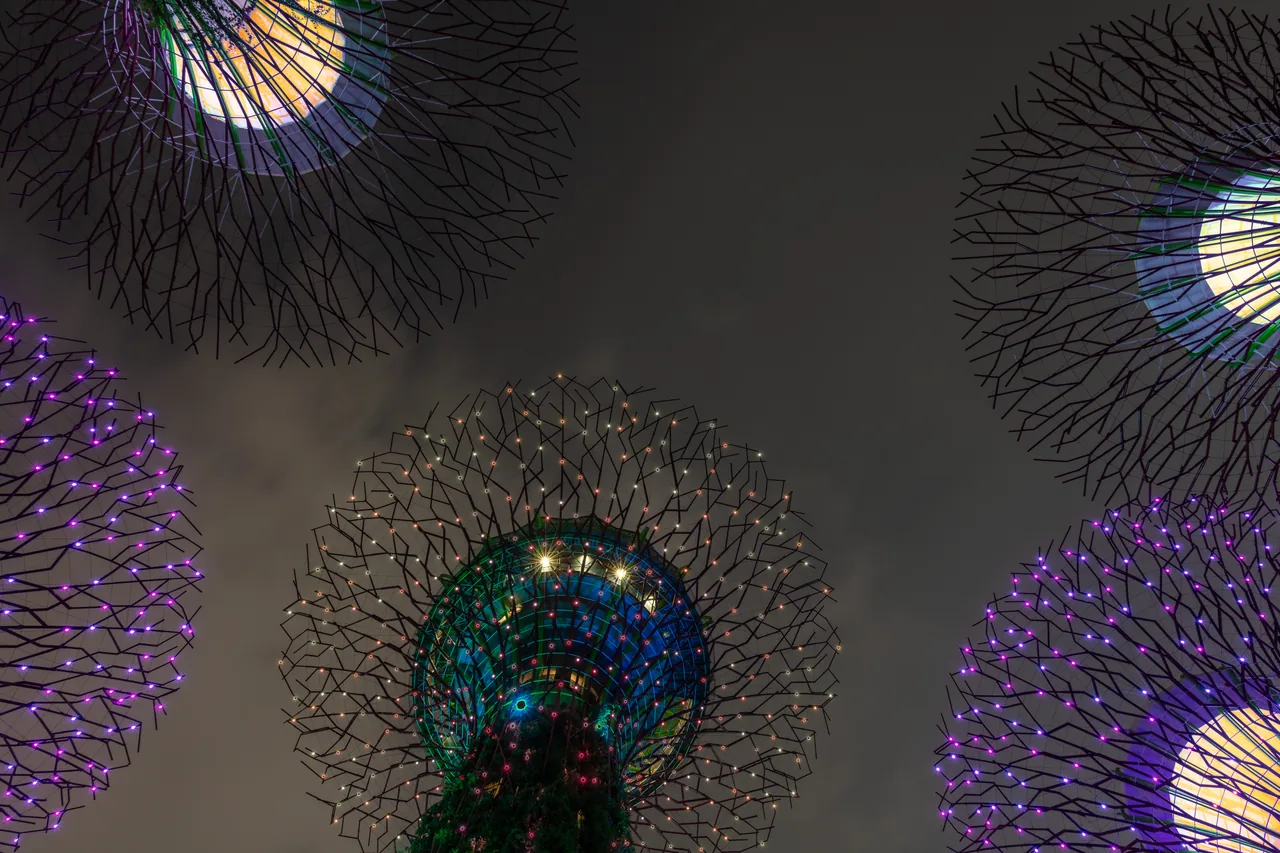
- Singapore’s best-value secret is how much is free — the Gardens by the Bay Supertree light show, the Marina Bay Sands Spectra show, the Botanic Gardens, the neighbourhoods, the beaches and Jewel’s Rain Vortex all cost nothing.
- Accommodation is the one thing there’s no cheap version of: hostel dorms start around S$30–60, with no truly budget hotels — so book early and stay in Chinatown, Little India or Kampong Glam to save.
- Pre-booking paid attractions online (Universal Studios, the Singapore Zoo, the cable car) is cheaper than the gate and skips queues, and there’s no tipping — a service charge is already built into restaurant bills.
1. Is Singapore expensive? The honest answer
2. Daily budgets at a glance (2026)
3. Sample trip costs: 3 and 4 days
4. Accommodation: the one thing with no cheap version
5. Eating cheap: hawker centres are the secret
6. Getting around cheaply: MRT, contactless & the Tourist Pass
7. Free things to do (Singapore’s best value)
8. Paid attractions worth it — and how to save
9. Top money-saving tips that actually work
10. Drinks & nightlife on a budget
11. Staying connected: eSIM, SIM & free Wi-Fi
12. Money, cards, cash & the GST refund
13. No tipping: a built-in saving
14. Budgeting by traveller type
15. A sample budget day in Singapore
16. Singapore costs at a glance (2026 prices)
17. Final tips: how to do Singapore cheaply
Singapore has a reputation for being eye-wateringly expensive, and for hotels, cocktails and taxis it earns it. But that reputation hides a happy truth: the things that make Singapore special are some of the cheapest in the world. A plate of Michelin-recommended chicken rice costs a few dollars, a spotless air-conditioned train ride costs about a dollar, and many of the island’s signature experiences — the nightly Supertree light show, the Marina Bay laser show, the beaches, the buzzing ethnic quarters, the world’s tallest indoor waterfall — are completely free. This guide breaks down exactly what a trip to Singapore costs in 2026, with honest daily budgets for every travel style, sample totals for a 3- and 4-day trip, the long list of free things to do, hawker food and MRT prices, and the money-saving moves that genuinely add up. Use it alongside our complete Singapore travel guide, our hawker food guide and our MRT & transport guide to plan a trip that feels generous without spending like it.
1. Is Singapore expensive? The honest answer
Singapore is the most expensive city in Southeast Asia, but it’s far cheaper to visit than its reputation suggests — because the two things travellers do most, eating and getting around, are genuinely cheap, and many of the best experiences are free.
Here’s the honest split. Expensive: hotels (there’s no truly cheap accommodation), alcohol (S$10–15 for a beer, S$20–28 for a cocktail), and taxis. Cheap: food at hawker centres (S$4–8 a meal), the MRT (about S$1–2 a ride), and water (safe and free from the tap). Free: a remarkable share of the island’s headline sights, from the nightly light shows to the gardens, neighbourhoods and beaches. The result is that your daily budget swings hugely depending on your choices: eat at hawker centres and ride the MRT and Singapore is affordable; eat in restaurants, drink cocktails and take taxis and it becomes one of Asia’s priciest cities. This guide is about staying firmly on the affordable side without missing anything that matters.
2. Daily budgets at a glance (2026)
Excluding your hotel, a budget traveller can do Singapore for about S$40–60 a day, a mid-range traveller for S$100–180, and a luxury traveller for S$300 and up — with accommodation added on top of all three. The figures below are per person, per day, and prices change, so treat them as planning estimates.
| Style | Food | Transport | Sights/extras | Per day (excl. hotel) |
|---|---|---|---|---|
| Budget (hawker, MRT, free sights) | S$20–30 | S$6–10 | S$0–20 | ~S$40–60 |
| Mid-range (cafes + 1 paid attraction) | S$50–80 | S$10–20 | S$40–90 | ~S$100–180 |
| Luxury (fine dining, bars, taxis) | S$120+ | S$40+ | S$100+ | ~S$300+ |
Then add accommodation: a hostel dorm bed is about S$30–60, a mid-range hotel S$150–300, and luxury S$400+. So an all-in daily figure is roughly S$90–130 for a careful solo traveller, and S$300–500 for a comfortable mid-range trip sharing a hotel. The single biggest variable is your hotel, followed by how often you eat in restaurants and drink alcohol.
3. Sample trip costs: 3 and 4 days
For a clearer picture, here’s what a typical 3-day and 4-day trip costs in 2026 across three styles — totals are per person (budget/luxury solo) or per couple sharing a room (mid-range), and exclude international flights.
| Trip | Budget | Mid-range | Luxury |
|---|---|---|---|
| 3 days | ~S$350–500 (solo, hostel) | ~S$900–1,500 (couple) | ~S$3,000+ (solo) |
| 4 days | ~S$450–650 (solo, hostel) | ~S$1,200–2,000 (couple) | ~S$4,000+ (solo) |
A budget 4-day trip breaks down roughly as: hostel S$120–240 (4 nights), food S$80–120, transport S$25–35, and a paid attraction or two S$50–100 — with the rest of your time spent on free sights. A mid-range 4-day couple spends around S$600–1,000 on a hotel, S$400–550 on food, S$60–100 on transport and S$200–350 on attractions like Universal Studios or the Gardens by the Bay conservatories. The biggest lever on every total is the hotel — drop a tier or stay in Little India or Chinatown and the whole trip gets cheaper.
4. Accommodation: the one thing with no cheap version
Accommodation is Singapore’s budget weak spot — there is no genuinely cheap option, so the goal is to book early, stay central and choose the right neighbourhood rather than expecting a bargain.
Realistic 2026 prices: a hostel dorm bed runs about S$30–60 a night (the best ones cluster in Chinatown, Kampong Glam and Little India), a private capsule or budget room S$70–120, a mid-range 3–4 star hotel S$150–300, and luxury or Marina Bay Sands S$400 and up. To keep costs down: book well ahead (prices rise close to the date and over events like the F1 and Chinese New Year), stay in Little India or Chinatown to save roughly S$10–20 a night versus Orchard or Marina Bay while staying on the MRT, consider weekday nights which are often cheaper, and prioritise a place near an MRT station so you save on transport. Our full where-to-stay guide breaks down every neighbourhood by price and vibe.
5. Eating cheap: hawker centres are the secret
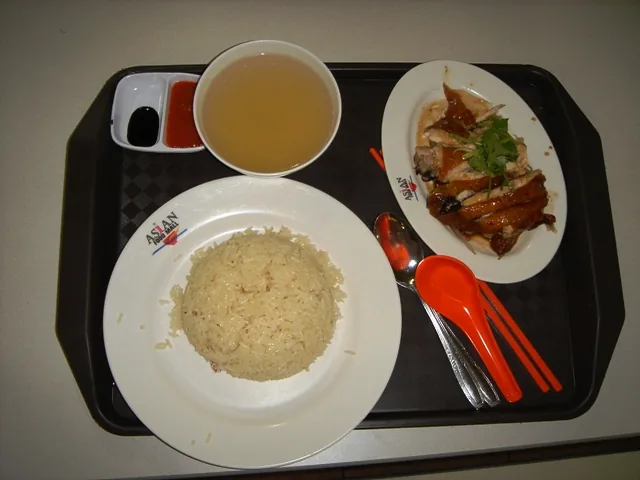
The single best budget move in Singapore is to eat at hawker centres — open-air food courts where dozens of stalls each specialise in one dish for around S$4–8, including a couple that have earned Michelin stars.
This is the cheapest, most authentic and most delicious way to eat on the island, and it’s how locals eat every day. A plate of Hainanese chicken rice, a bowl of laksa, a serving of char kway teow or a stick or two of satay each lands around S$4–8; a fresh juice is S$2–3 and a kopi (local coffee) under S$2. Famous centres include Maxwell Food Centre, the Chinatown Complex (home to what’s often called the world’s cheapest Michelin meal), Lau Pa Sat, Old Airport Road and Tekka Centre in Little India. Tips: eat where the queues are longest, carry small cash (some stalls are cash-only), ‘chope’ (reserve) a seat with a tissue packet like locals do, and avoid the pricier tourist-strip restaurants nearby. Compared with a S$15–30 restaurant main, hawker eating can halve your daily food spend. See our complete hawker food guide for exactly what to order.
6. Getting around cheaply: MRT, contactless & the Tourist Pass
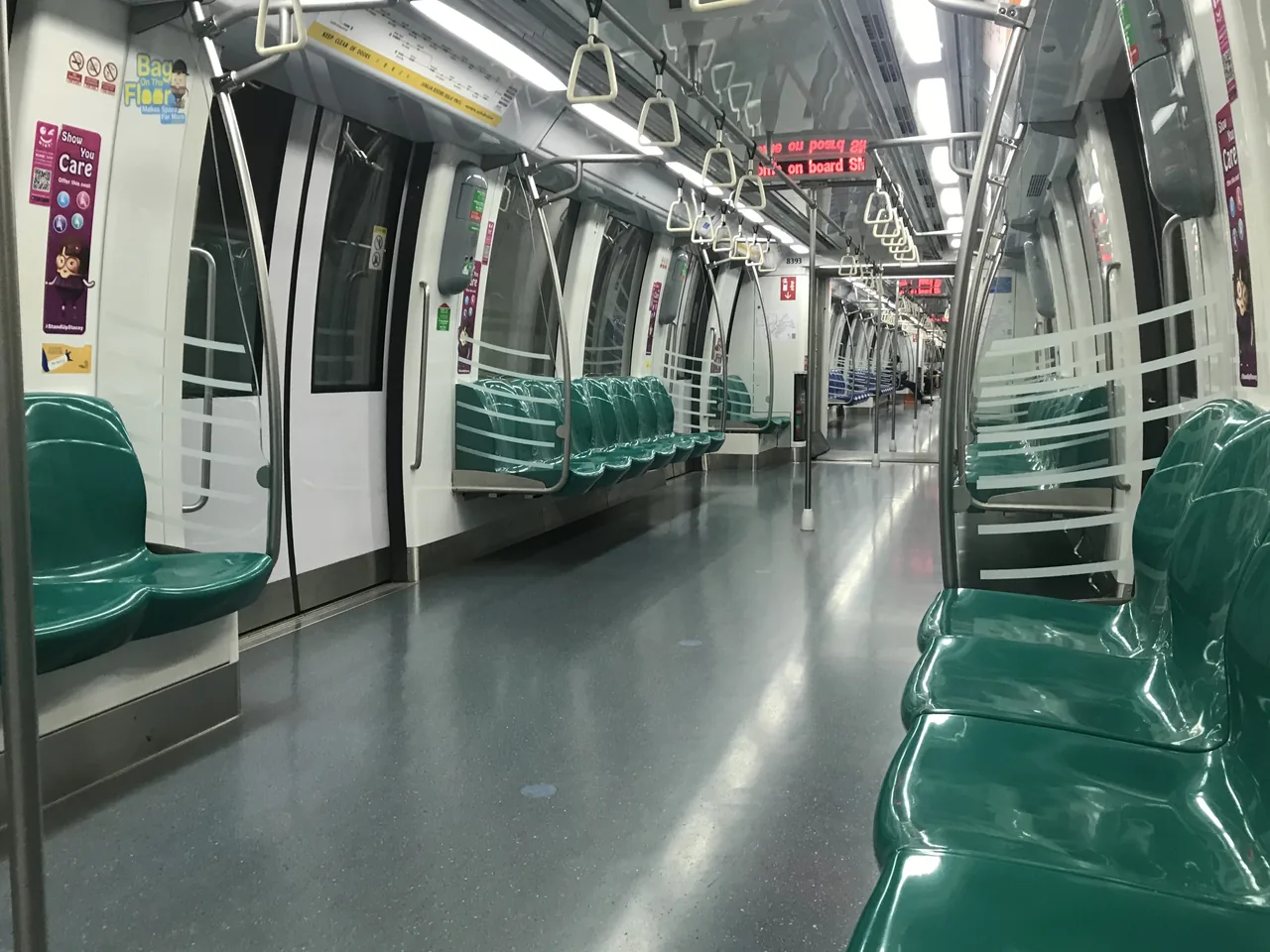
Singapore’s MRT metro is fast, spotless, air-conditioned and cheap — most rides cost about S$1–2 — and it reaches almost every place a visitor wants to go, so it should be your default for getting around.
The easiest way to pay is to tap a contactless Visa or Mastercard (or your phone) at the gate — no ticket needed (foreign cards add a small ~S$0.60/day admin fee). If you’ll ride a lot, the Singapore Tourist Pass gives unlimited bus and train travel for roughly the prices below; it pays for itself after about 3–4 rides a day. A local EZ-Link/SimplyGo stored-value card also works and suits longer stays. Buses cost about S$0.70–2 and reach spots the MRT misses; Grab and taxis are best saved for late nights or places off the network like Mandai (the Zoo), where a ride across town runs S$10–18.
| Option | Approx. 2026 price | Best for |
|---|---|---|
| Single MRT ride | ~S$1–2 | Pay-as-you-go with a contactless card |
| Bus ride | ~S$0.70–2 | Short hops, scenic routes |
| Tourist Pass (1 / 2 / 3 day) | ~S$17 / S$24 / S$29 | Heavy MRT/bus days |
| Grab / taxi across town | ~S$10–18 | Late nights, Mandai, groups |
| Changi Airport to the city (MRT) | ~S$2–2.50 | Cheapest airport transfer |
For the full network, fares and passes, see our Singapore MRT & transport guide.
7. Free things to do (Singapore’s best value)
The best-kept secret of budget travel in Singapore is how much of the island’s headline experience is completely free — you could fill two or three days almost entirely with no-cost sights.
- Gardens by the Bay ‘Garden Rhapsody’: the Supertree Grove light-and-sound show, free nightly (usually 7:45pm & 8:45pm). The outdoor gardens are free too — only the conservatories are ticketed. See our Gardens by the Bay guide.
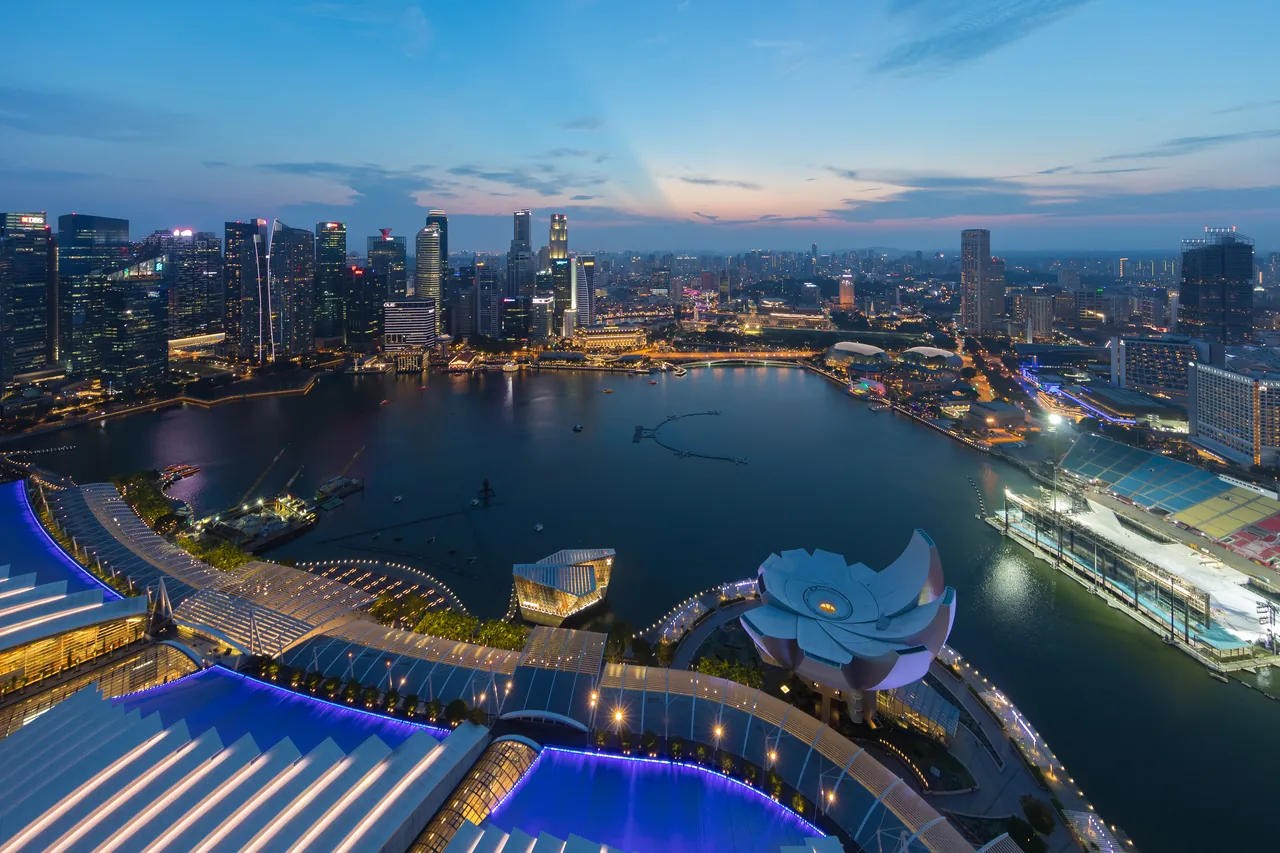
- Marina Bay Sands ‘Spectra’: a free light-and-water show over the bay, nightly at 8pm and 9pm (and 10pm on weekends).
- Singapore Botanic Gardens: a free UNESCO World Heritage Site (only the National Orchid Garden has a small fee).
- Jewel Changi’s Rain Vortex: the world’s tallest indoor waterfall, free to see, with a nightly light show — see our Changi & Jewel guide.
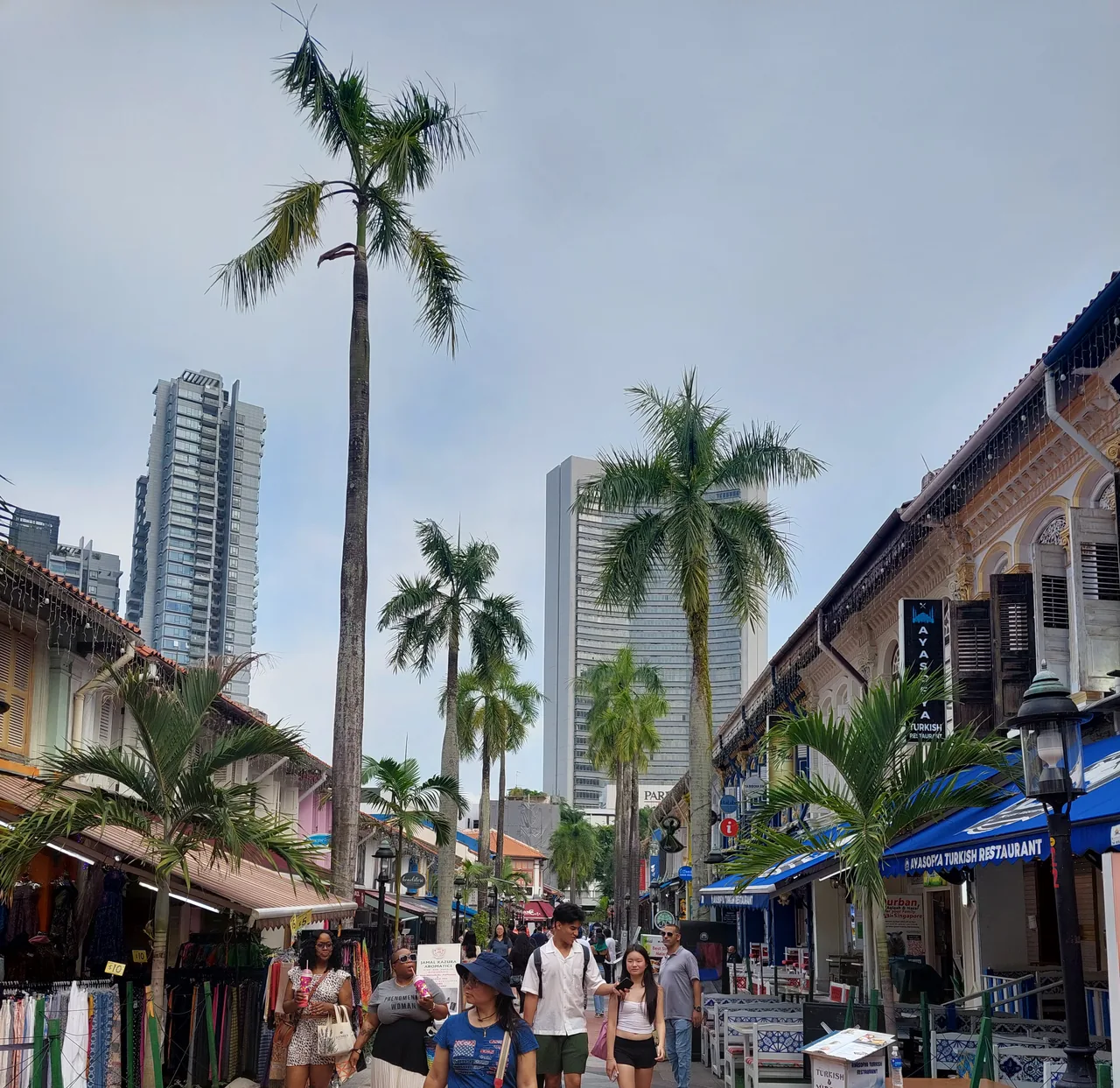
- The neighbourhoods: wandering Chinatown, Little India and Kampong Glam (with colourful Haji Lane) costs nothing and is some of the best people-watching in the city.
- Merlion Park & the Marina Bay waterfront promenade: the classic skyline views and photos, free.
- Southern Ridges & Henderson Waves: a scenic free walk over the city’s tallest pedestrian bridge.
- Marina Barrage: a breezy rooftop with skyline views, popular for picnics and kite-flying.
- Sentosa’s beaches: Siloso, Palawan and Tanjong beaches are free to enjoy (see our Sentosa guide for how to get there cheaply).
- Free museum hours & galleries: several national museums offer free entry to residents and discounted or free windows; the civic district’s architecture and the Esplanade’s free performances are always open.
String these together and a ‘free day’ in Singapore can still be one of the best days of your trip.
8. Paid attractions worth it — and how to save
A few of Singapore’s paid attractions are genuinely worth the money, and the way to do them cheaply is to book online in advance — it’s almost always cheaper than the gate and lets you skip the ticket queue.
The headline paid experiences and rough 2026 adult prices: Universal Studios Singapore (~S$83), the Gardens by the Bay conservatories (~S$32 for both domes), the Singapore Zoo (~S$48) and Night Safari (~S$56), the Marina Bay Sands SkyPark observation deck (~S$32), and the Sentosa cable car (~S$35). To save: pre-book online (often 10–20% cheaper than the gate), look for multi-attraction bundles and passes if you’ll do several, choose one or two signature attractions rather than trying to do everything, and remember the free light shows and gardens deliver a huge amount of ‘wow’ for nothing. Booking platforms like Klook frequently discount the big-ticket attractions — worth a price-check before you pay full price at the door.
9. Top money-saving tips that actually work
Beyond eating at hawker centres and riding the MRT, these are the money-saving moves that add up to real savings over a Singapore trip — none of them cost you any of the experience.
- Refill a reusable water bottle. Tap water is safe and free; bottled water is S$1–2, so this saves several dollars a day in the heat.
- Eat your big meal at lunch. Many restaurants run cheaper set-lunch menus; save hawker dinners for the evening.
- Pre-book attractions online for 10–20% off and skip-the-queue entry.
- Stay in Little India, Chinatown or Kampong Glam to cut S$10–20 a night off accommodation while staying central.
- Use free light shows as your evening ‘entertainment’ — Garden Rhapsody and Spectra cost nothing.
- Buy alcohol at a supermarket or convenience store if you drink — bars charge S$15+; supermarkets are a fraction of that (note alcohol is heavily taxed everywhere).
- Tap a contactless card rather than buying single tickets, and weigh a Tourist Pass on heavy-travel days.
- Claim your GST refund on shopping over S$100 from participating retailers at the airport eTRS kiosks.
- Skip taxis except late at night — the MRT is faster and a fraction of the cost.
- Travel with hand luggage and use free baggage-light airport check-in to avoid fees.
10. Drinks & nightlife on a budget
Alcohol is the quiet budget-killer in Singapore — it’s heavily taxed, so a beer in a bar is S$10–15 and a cocktail S$20–28 — but there are easy ways to enjoy a night out without the rooftop-bar bill.
If you drink, the cheapest options are supermarkets and convenience stores (a can of beer is a fraction of bar prices), hawker centres and coffee shops (a large bottle of Tiger to share is far cheaper than a bar), and happy hours (many bars run 1-for-1 or discounted drinks, often 5–8pm). For atmosphere without the markup, the free Marina Bay light show, a stroll along Clarke Quay (look, don’t necessarily drink) or a sunset on a Sentosa beach all deliver a great evening for little or nothing. If you want one splurge, a single rooftop cocktail with a skyline view can be worth it — just treat it as the treat, not the routine. Non-drinkers, of course, have it easy: kopi, teh and fresh juices keep a night out to a few dollars.
11. Staying connected: eSIM, SIM & free Wi-Fi
You don’t need to overspend to stay online in Singapore — a travel eSIM or a local tourist SIM is cheap, and free Wi-Fi is widespread, so connectivity should be a minor line in your budget.
A travel eSIM is the most convenient option: you buy and install it before you arrive, and you’re online the moment you land — typically a few dollars for several days of data, with no need to swap your physical SIM. A local tourist SIM bought at the airport or a convenience store is another cheap option with generous data. Either way, you’ll want data for Google Maps, the MRT, Grab and hawker-stall reviews. Free Wi-Fi is available across Changi Airport, malls, many cafes and the islandwide Wireless@SG network, so light users can lean on that. Whatever you choose, it’s one of the smaller costs of the trip — the key is to sort it before you arrive so you’re not paying roaming rates on day one. For more first-day logistics, see our Changi Airport guide.
12. Money, cards, cash & the GST refund
Singapore is almost cashless — contactless cards and phones work nearly everywhere — but you’ll still want a little cash for hawker stalls and wet markets, and tourists can claim a 9% GST refund on bigger purchases.
The currency is the Singapore dollar (S$). Cards and mobile pay are accepted at almost all shops, restaurants and attractions, and tapping a contactless card even works on the MRT — so you may barely touch cash. That said, carry some cash (S$50–100) for hawker stalls, small stores and markets, where some vendors are cash-only. ATMs are everywhere and money changers in Chinatown, Mustafa Centre (Little India) and Arab Street often give better rates than the airport. GST refund: tourists can reclaim the 9% Goods and Services Tax on purchases of at least S$100 from participating retailers, using the eTRS self-help kiosks at Changi before departure — worth doing if you shop, but allow extra time at the airport. Watch for ‘++’ on menus, which means a 10% service charge and 9% GST will be added to the listed price.
One cost worth not cutting: travel insurance. A single visit to a private clinic or hospital can cost more than your whole accommodation budget, so a basic travel medical policy is one of the smartest few dollars you will spend — many long-stay travellers use SafetyWing Nomad Insurance.
13. No tipping: a built-in saving
Tipping is not expected anywhere in Singapore — and it’s actively discouraged at the airport — which is a genuine, automatic saving compared with cities where 15–20% tips are the norm.
Most sit-down restaurants already add a 10% service charge (plus 9% GST) to the bill, shown as ‘++’ on the menu, so a service component is already included and there’s no need to add more. At hawker centres, food courts and casual eateries you simply pay what’s on the price tag. You’re always free to round up or leave a little for genuinely exceptional service, but there is no obligation, no standard percentage and no awkwardness in not tipping. Taxi drivers, hotel staff and guides don’t expect tips either, though rounding a taxi fare up is common and appreciated. Factor this in when comparing Singapore’s costs with other destinations — what you see is much closer to what you pay.
14. Budgeting by traveller type
Your ideal Singapore budget depends on who you’re travelling as — here’s how the numbers shift for backpackers, couples, families and solo travellers.
- Backpacker / solo budget: hostel dorm, hawker food, MRT and mostly free sights — around S$90–120 a day all-in. The discipline is accommodation; book a good hostel early.
- Couple, mid-range: sharing a hotel room halves the per-person accommodation cost, so a comfortable trip with sit-down meals and a couple of attractions runs about S$300–450 a day for two.
- Family with kids: attractions add up fastest here — prioritise one or two big ones (Universal Studios, the Zoo) and lean on free sights, hawker meals and family rooms. Children often get discounted or free entry and MRT fares, so check age thresholds.
- Luxury / honeymoon: a five-star hotel, fine dining and a rooftop bar can run S$600–1,000+ a day — Singapore does high-end superbly, but the free light shows and beaches still make great no-cost additions to a splurge trip.
Whatever your style, the levers are the same: accommodation tier, how often you eat in restaurants, how many paid attractions you do, and how much you drink.
15. A sample budget day in Singapore
To show how affordable a full day can be, here’s a sample budget itinerary for one person that hits big sights and great food for well under S$60 plus your bed.
| When | What | Cost |
|---|---|---|
| Morning | Kaya toast & kopi breakfast at a hawker centre | ~S$4 |
| Morning | Singapore Botanic Gardens (free) + MRT | ~S$2 |
| Lunch | Chicken rice or laksa at a hawker centre | ~S$6 |
| Afternoon | Wander Chinatown & Kampong Glam (free) + MRT | ~S$2 |
| Evening | Gardens by the Bay outdoor gardens (free) + Garden Rhapsody show (free) | S$0 |
| Dinner | Satay & char kway teow at Lau Pa Sat | ~S$10 |
| Night | Marina Bay Spectra light show (free) + MRT back | ~S$2 |
| Total (excl. accommodation) | ~S$26 | |
Add a hostel bed (S$30–60) and you’ve had a brilliant, full day in one of Asia’s great cities for under S$90 all-in. Swap in one paid attraction and you’re still comfortably under S$130.
16. Singapore costs at a glance (2026 prices)
Here’s a quick reference to typical 2026 prices, so you can sanity-check your budget at a glance. Figures are approximate and change, so confirm before you rely on them.
| Item | Approx. price |
|---|---|
| Hawker meal | S$4–8 |
| Restaurant main | S$15–30 |
| Kopi (local coffee) / fresh juice | ~S$1.50–3 |
| Local beer (bar) | S$10–15 |
| Cocktail (bar) | S$20–28 |
| Bottle of water (or refill) | S$1–2 (free refill) |
| MRT ride | S$1–2 |
| Grab across town | S$10–18 |
| Hostel dorm bed | S$30–60 |
| Mid-range hotel (night) | S$150–300 |
| Universal Studios (adult) | ~S$83 |
| Gardens by the Bay conservatories | ~S$32 |
| Singapore Zoo (adult) | ~S$48 |
| Major light shows (Garden Rhapsody, Spectra) | FREE |
In short: you control your Singapore budget through four dials — hotel, restaurants, attractions and alcohol — and everything else is cheap or free.
17. Final tips: how to do Singapore cheaply
Singapore rewards a smart budget more than almost any city — eat like a local, move like a local, and lean on the free sights, and you’ll have a rich trip for a fraction of what visitors fear it costs.
- Eat at hawker centres — it’s cheaper, tastier and more authentic than restaurants.
- Ride the MRT and tap a contactless card; save taxis for late nights.
- Book a well-located hostel or hotel early in Chinatown, Little India or Kampong Glam.
- Build your evenings around the free Garden Rhapsody and Spectra light shows.
- Refill a water bottle, skip the tips (none expected), and pre-book any paid attractions online.
- Pick one or two signature paid experiences and fill the rest with free sights.
Do that and Singapore stops feeling expensive and starts feeling like extraordinary value. Plan the rest of your trip with our complete Singapore travel guide, then dig into the hawker food guide, the MRT & transport guide, where to stay, the Gardens by the Bay and Sentosa Island.