
Best Time to Visit Singapore 2026: Month-by-Month Weather & Events
Singapore is a year-round destination — here’s the honest month-by-month guide to its weather, monsoons, the haze season, crowds, prices and the festivals worth timing your trip around.
- Singapore sits almost on the Equator, so it’s hot and humid all year (highs of 30–32°C, lows around 24–26°C) with no real seasons — there’s no bad time to visit, only trade-offs in rain, crowds and price.
- For the best weather, aim for February to April: February is the driest, sunniest month, while the wettest stretch is the Northeast Monsoon from November to January.
- June to September (the Southwest Monsoon) is relatively dry and great for events, but it’s the period when a regional haze can occasionally drift in (worst around August–October) — easy to check and plan around.
- Peak prices and crowds cluster around Chinese New Year (17–18 February 2026), the June school holidays, the Formula 1 night race (9–11 October 2026) and the December holidays; the quieter, better-value windows fall in between.
- Singapore’s calendar is packed: Chinese New Year, Hari Raya, Vesak, National Day (9 August), Mid-Autumn, the F1 Grand Prix, Deepavali (8 November) and Christmas on Orchard Road all reward timing your trip well.
1. When is the best time to visit Singapore?
2. Singapore’s climate: hot, humid and (almost) seasonless
3. Singapore weather month-by-month at a glance
4. The monsoons & inter-monsoon seasons explained
5. The haze season: what it is and how to plan
6. Best time for good weather
7. Best time for fewer crowds & lower prices
8. Singapore festivals & events calendar (2026)
9. Singapore in January
10. Singapore in February
11. Singapore in March
12. Singapore in April
13. Singapore in May
14. Singapore in June
15. Singapore in July
16. Singapore in August
17. Singapore in September
18. Singapore in October
19. Singapore in November
20. Singapore in December
21. Best time to visit by traveller type
22. What to pack & how to handle the heat and rain
“When should I go to Singapore?” has a refreshingly simple answer: more or less whenever you like. Sitting just 137 km north of the Equator, Singapore has no spring, summer, autumn or winter — just a warm, humid, tropical climate that barely changes from January to December, with daytime temperatures almost always between 30 and 32°C. What does change is the rain, the crowds, the prices and the festivals, and that’s where smart timing pays off. This guide breaks it all down: Singapore’s climate and the two monsoons, the much-misunderstood haze season, a month-by-month weather and events rundown for all twelve months, the best windows for good weather, low crowds and cheap prices, and the festival calendar — from Chinese New Year to the Formula 1 night race to Christmas on Orchard Road. Use it with our complete Singapore travel guide, our budget guide and our where-to-stay guide to lock in the perfect dates for your trip.
1. When is the best time to visit Singapore?
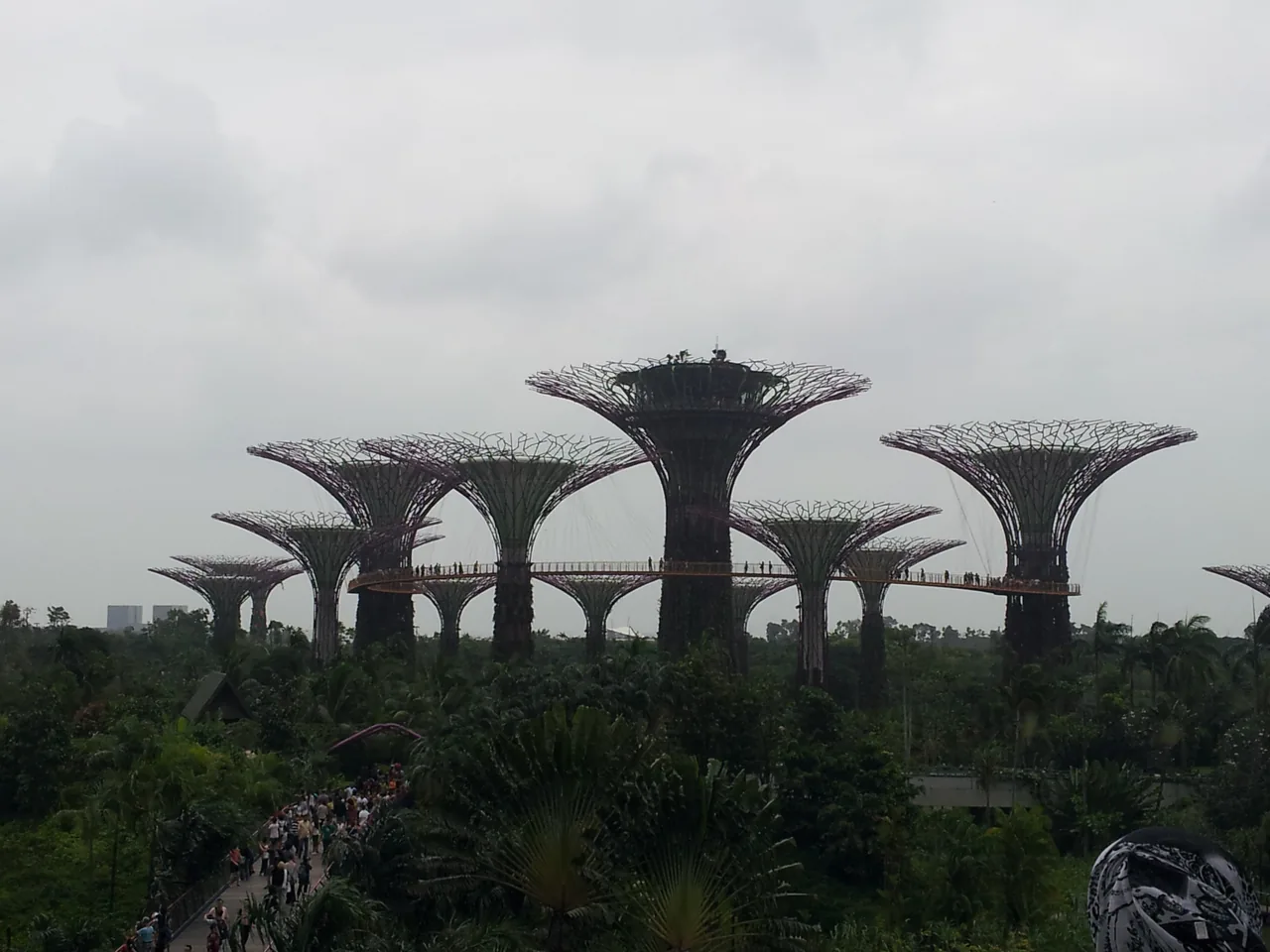
The best time to visit Singapore for good weather is February to April — February is the driest and sunniest month — but because Singapore is hot and humid all year with no real seasons, almost any time works, and the ‘best’ month really comes down to your priorities.
If you want the driest skies, go in February or March. If you want festivals, time your trip to Chinese New Year (February), the F1 night race (October) or the Christmas light-up (December). If you want fewer crowds and lower prices, target the shoulder weeks between the big peaks. And if you simply want a warm tropical city break, you can book any month and expect 30–32°C days, the occasional dramatic downpour, and a city that runs beautifully whatever the weather — much of it air-conditioned and indoors. This guide gives you everything you need to choose: the climate, the monsoons, the haze, every month in detail, and the full festival calendar.
2. Singapore’s climate: hot, humid and (almost) seasonless
Singapore has a tropical rainforest climate: it is hot, humid and rainy throughout the year, with remarkably little variation — daytime highs hover around 30–32°C every month, and nights rarely drop below 24°C.
Sitting just north of the Equator, Singapore doesn’t have spring, summer, autumn or winter. Instead, its year is shaped by two monsoons and two shorter inter-monsoon periods, which mainly affect how much it rains and when, not the temperature. Humidity is high year-round — often 80–90%, and highest in the mornings — which makes the heat feel more intense than the thermometer suggests. Rain tends to arrive as short, heavy tropical downpours (frequently in the afternoon) rather than all-day drizzle, and the city is built for it, with sheltered walkways, underground malls and abundant air-conditioning. The practical upshot: pack for heat and humidity every month, carry a compact umbrella, and plan your days around the heat (and the odd shower) rather than around a ‘season’.
3. Singapore weather month-by-month at a glance
Here’s the whole year in one table — temperature stays nearly constant, so the real differences are rain, crowds and what’s on. Figures are approximate and vary year to year.
| Month | Typical high | Rain | Crowds/price | In a nutshell |
|---|---|---|---|---|
| Jan | ~30°C | High | Moderate | Wet NE monsoon, but festive build-up |
| Feb | ~31°C | Lowest | Peak (CNY) | Driest, sunniest — and Chinese New Year |
| Mar | ~32°C | Low–mod | Shoulder | Warm, fairly dry, good value |
| Apr | ~32°C | Moderate | Shoulder | Hottest, afternoon thunderstorms |
| May | ~32°C | Moderate | Shoulder | Hot and humid, light festivals |
| Jun | ~31°C | Lower | Peak (hols) | Drier SW monsoon, school holidays |
| Jul | ~31°C | Lower | Busy | Relatively dry, food festival season |
| Aug | ~31°C | Moderate | Busy | National Day; possible haze starts |
| Sep | ~31°C | Moderate | Shoulder | Mid-Autumn; some haze risk |
| Oct | ~31°C | Higher | Peak (F1) | F1 night race; rain building |
| Nov | ~30°C | Highest | Moderate | Wettest; Deepavali, Christmas lights |
| Dec | ~30°C | Very high | Peak (festive) | Wet but festive; countdown & sales |
The takeaway: February for the best weather, the mid-year SW-monsoon months for relatively dry days, and the November–December stretch for festive sparkle despite the rain.
4. The monsoons & inter-monsoon seasons explained
Singapore’s year is divided into two monsoons and two inter-monsoon periods, which determine the rainfall pattern — understanding them is the key to timing your trip.
Northeast Monsoon (December–early March)
The main wet season. Its first phase (December–January) brings the heaviest, most widespread rain, including occasional all-day ‘monsoon surge’ downpours and slightly cooler, cloudier days. By late January into February and March it enters a drier, sunnier phase — which is why February is the best-weather month.
First Inter-Monsoon (April–May)
A transitional, hot and humid period of light winds and frequent afternoon and early-evening thunderstorms. April and May are typically the warmest months of the year.
Southwest Monsoon (June–September)
Relatively drier overall, though with occasional pre-dawn and early-morning ‘Sumatra squalls’ (sudden gusty thunderstorms). This is the main travel and events season — but its winds can also carry in regional haze (see the next section).
Second Inter-Monsoon (October–November)
Thunderstorms return and rainfall builds toward the wettest months, leading into the Northeast Monsoon again. October’s F1 weekend can be warm and showery.
5. The haze season: what it is and how to plan
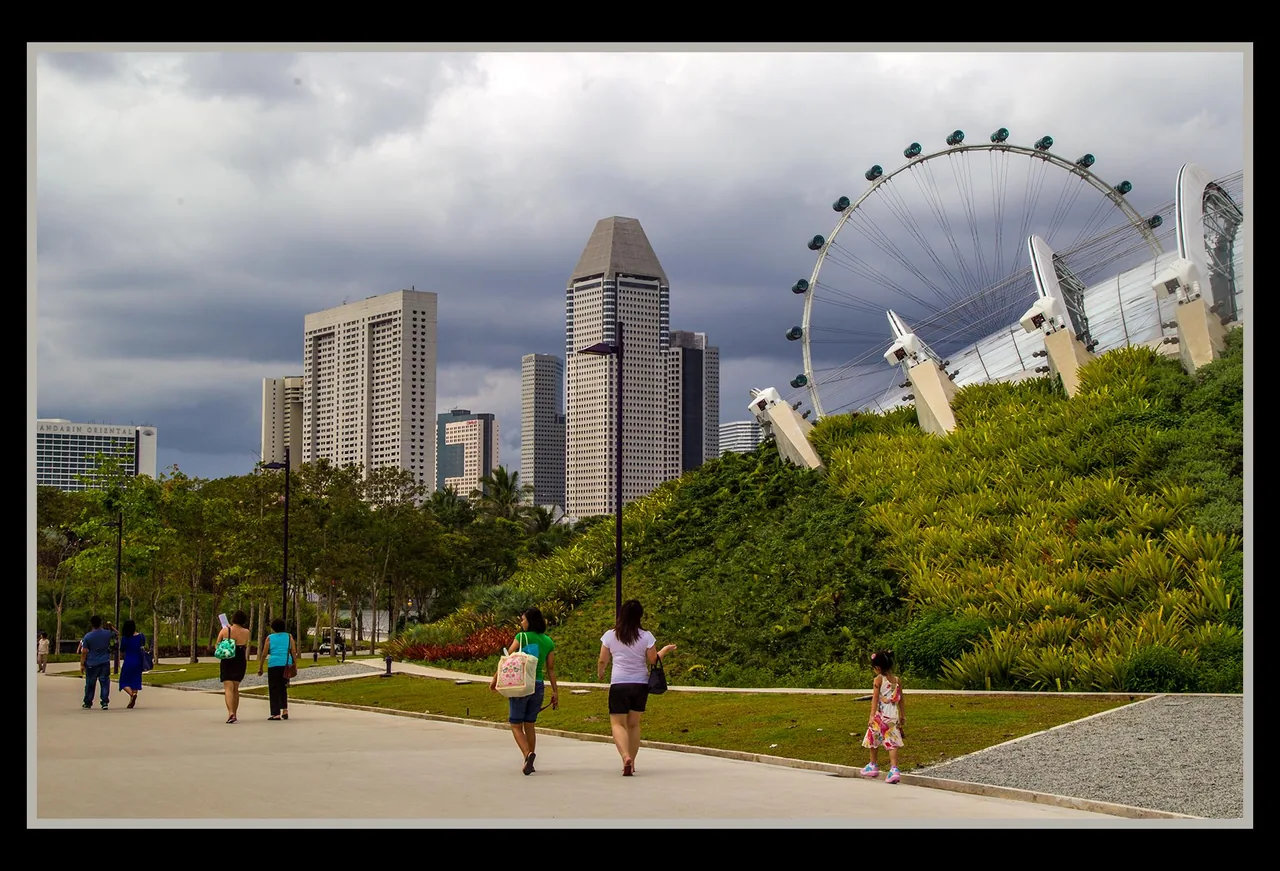
The ‘haze’ is a smoky air pollution that occasionally drifts over Singapore from forest and land fires in the wider region, carried by Southwest Monsoon winds — it’s seasonal, variable, and most likely between August and October, but it does not happen every year.
In years when it occurs, the haze can reduce visibility and air quality for days or weeks, and is generally worst in August–October (sometimes linked to drier El Niño conditions). Air quality is measured by the PSI (Pollutant Standards Index): 0–50 is good, 51–100 moderate, and above 100 is unhealthy. Check the live PSI on the National Environment Agency (NEA) website or the myENV app before planning outdoor days. If the haze is bad, simply pivot to Singapore’s many excellent indoor options — the malls, the museums, Jewel Changi, the aquarium and indoor zoo exhibits, the Gardens by the Bay conservatories — and keep a mask handy if you’re sensitive. Most trips are completely unaffected, but it’s worth knowing about if you’re travelling in the late-monsoon window.
6. Best time for good weather
For the most reliable sunshine and the least rain, visit in February, with March and April the next-best choices — February is the driest and sunniest month of the year.
As the Northeast Monsoon shifts into its drier phase, February delivers the fewest rainy days, the most sunshine and slightly lower humidity, making it ideal for the outdoor highlights — Gardens by the Bay, Sentosa‘s beaches and the rooftop views. March and April stay fairly dry but turn up the heat, with April often the warmest month and prone to afternoon thunderstorms. The mid-year Southwest Monsoon (especially June to August) is also relatively dry and a popular travel window, with the caveat of possible haze. Whenever you go, remember ‘good weather’ in Singapore means hot and humid with a chance of a downpour — plan outdoor sightseeing for mornings, and keep the hottest part of the afternoon for air-conditioned attractions or a meal at a hawker centre.
7. Best time for fewer crowds & lower prices
For the best value and the thinnest crowds, target the shoulder weeks between the big peaks — broadly late January (pre–Chinese New Year), parts of March to May outside public holidays, and September between the school holidays and the F1 weekend.
Singapore’s busiest, priciest periods are predictable: Chinese New Year (mid-February 2026), the June school holidays, the Formula 1 weekend (9–11 October 2026) and the December festive season, when hotels near Marina Bay and Orchard fill up and rates climb. Avoid those windows and you’ll find lower hotel prices, shorter queues at the big attractions, and a more relaxed city. Because Singapore is a business and transit hub, weekdays can also be pricier for hotels than you’d expect, while weekends sometimes offer leisure deals — so compare both. Hotel rates move far more than flight prices, so the simplest money-saver is to be flexible by a week or two and book early; our budget guide and where-to-stay guide go deeper.
8. Singapore festivals & events calendar (2026)
Singapore’s multicultural calendar means there’s almost always something on — here are the headline festivals and events by month for 2026. Dates for lunar and religious festivals can shift, so confirm closer to the time.
| Month | Headline events (2026) |
|---|---|
| January | New Year’s Day; Singapore Art Week; Pongal & Thaipusam (Little India); Chinese New Year build-up in Chinatown |
| February | Chinese New Year (17–18 Feb); River Hongbao; Chingay Parade |
| March | Ramadan bazaars (Geylang Serai); Hari Raya Puasa (21 Mar) |
| April | Good Friday (3 Apr); World Gourmet Summit; spring arts events |
| May | Labour Day (1 May); Hari Raya Haji (27 May); Vesak Day (31 May); i Light & arts festivals |
| June | School holidays; Dragon Boat Festival; mid-year sales |
| July | Singapore Food Festival period; sales & concerts |
| August | National Day (9 Aug) parade & fireworks; Hungry Ghost Festival (getai) |
| September | Mid-Autumn (Mooncake) Festival; lantern displays in Chinatown & the Gardens |
| October | F1 Singapore Grand Prix (9–11 Oct) & concerts; Deepavali build-up in Little India |
| November | Deepavali (8 Nov) light-up in Little India; Orchard Road Christmas lights begin |
| December | Christmas on Orchard Road; Marina Bay New Year’s Eve countdown; ZoukOut; Standard Chartered Marathon |
If a particular festival is on your wish list, build your dates around it early — the biggest ones (Chinese New Year, F1, Christmas/New Year) also drive the highest prices.
9. Singapore in January
January is warm and one of the wetter months, as the Northeast Monsoon brings frequent afternoon and evening rain — but it’s also a lively, festive time as the city gears up for Chinese New Year.
Weather: highs around 30°C, high humidity and regular tropical downpours, sometimes lasting hours; pack an umbrella and plan indoor backups. What’s on: Singapore Art Week fills the city with installations and gallery events, Little India celebrates the Tamil harvest festival of Pongal and (in late January or early February) the dramatic Thaipusam procession, and Chinatown begins its spectacular Chinese New Year light-up and bazaar. Verdict: a rainier month, but with lower crowds early on and a build-up of festive energy — good value if you don’t mind dodging showers and keeping flexible, air-conditioned options like Jewel and the Marina Bay Sands mall in your back pocket.
10. Singapore in February
February is the best-weather month of the year — the driest and sunniest, with the fewest rainy days — and it hosts Singapore’s biggest celebration, Chinese New Year.
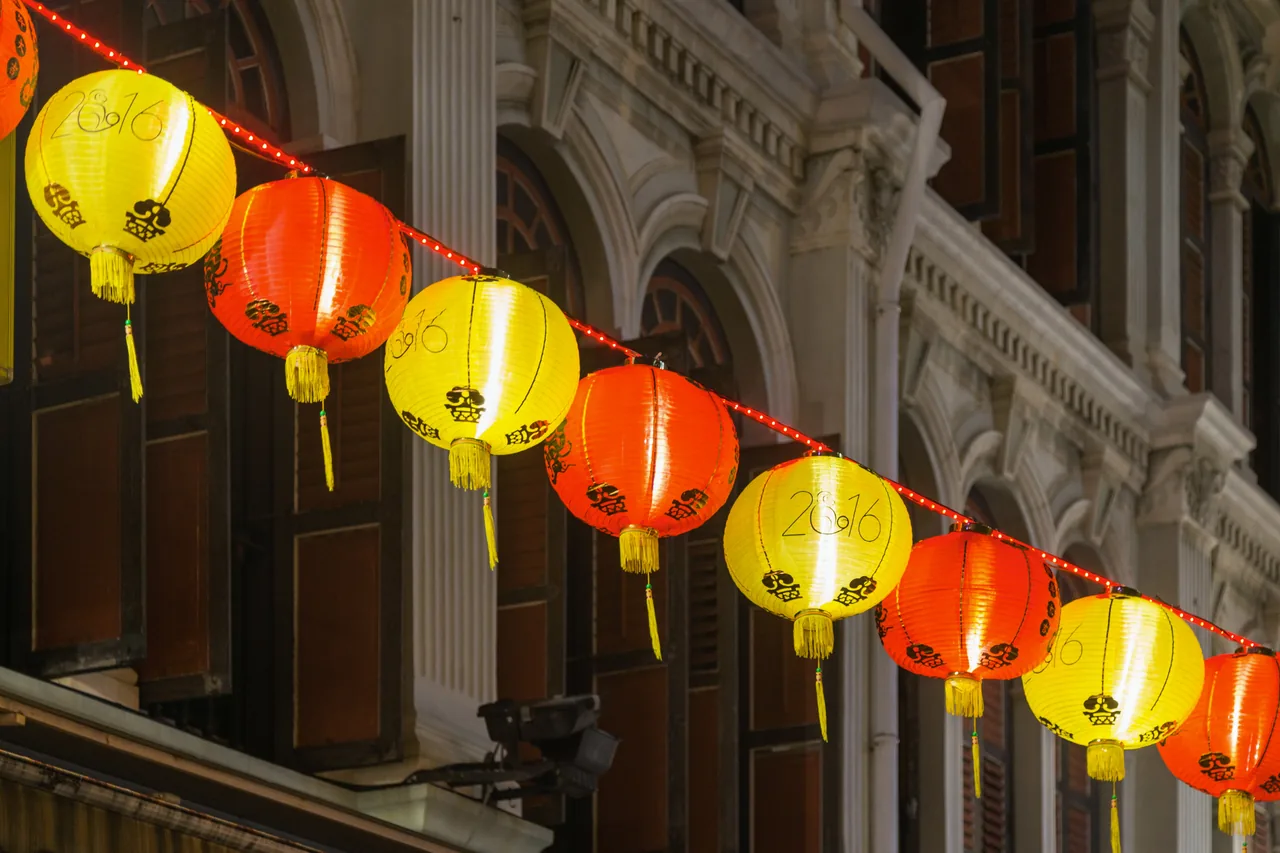
Weather: highs around 31°C, the lowest rainfall and humidity of the year as the monsoon enters its drier phase; ideal for outdoor sightseeing. What’s on: Chinese New Year (17–18 February 2026, the Year of the Horse) transforms the city — Chinatown dazzles with lanterns and a street market, the River Hongbao carnival lights up Marina Bay, and the glittering Chingay Parade is one of Asia’s largest street processions. Verdict: the top pick for sunshine and atmosphere, but also the busiest and most expensive window, so book flights and hotels months ahead and expect some shops and stalls to close for the first day or two of the new year.
11. Singapore in March
March is warm, fairly dry and good value — the monsoon’s drier phase continues, crowds thin out after Chinese New Year, and the city is comfortable for sightseeing.
Weather: highs around 32°C with moderate rain and lots of sun between showers — one of the more pleasant months. What’s on: if Ramadan falls across March, the Geylang Serai bazaar comes alive each evening with food and lights, building toward Hari Raya Puasa (21 March 2026). The arts and food event calendar picks up too. Verdict: an underrated month — decent weather, smaller crowds and softer prices than February — great for first-timers who want the highlights without the Chinese New Year crush. Pair the warm days with the Gardens by the Bay in the morning and a cool hawker lunch.
12. Singapore in April
April is one of the hottest months, hot and humid with frequent afternoon thunderstorms as the First Inter-Monsoon sets in — but mornings are often bright and it remains a solid time to visit.
Weather: highs around 32°C (sometimes higher), high humidity and short, sharp afternoon or early-evening storms; plan outdoor sights for the morning. What’s on: Good Friday (3 April 2026) anchors the Easter weekend, the World Gourmet Summit celebrates fine dining, and various arts events run through spring. Verdict: good for shoulder-season value and morning sightseeing, as long as you embrace the heat and keep afternoons flexible — an ideal pattern is outdoor highlights early, then an air-conditioned attraction, museum or mall when the storms roll in.
13. Singapore in May
May is hot and humid — often the warmest month — with moderate rain and a clutch of public holidays, making it a busy but rewarding time to visit.
Weather: highs around 32°C, sticky humidity and afternoon thunderstorms typical of the inter-monsoon; hydrate and pace yourself. What’s on: Labour Day (1 May), Hari Raya Haji (27 May) and Vesak Day (31 May, marking the Buddha’s birth) bring temple visits and celebrations, while light-art and arts festivals such as i Light brighten Marina Bay in the evenings. Verdict: a good month for festivals and evening events once the heat eases, with manageable crowds outside the long weekends — just structure your days around the warmth, leaning on Singapore’s air-conditioned attractions in the afternoons.
14. Singapore in June
June marks the start of the drier Southwest Monsoon and the June school holidays — a popular, slightly busier travel window with relatively reliable weather.
Weather: highs around 31°C with comparatively less rain than the wet season, though still humid with the odd early-morning squall. What’s on: the June school holidays fill family attractions like Universal Studios and the Singapore Zoo, the Dragon Boat Festival brings races, and mid-year sales hit the malls. Verdict: a strong all-round month for weather and atmosphere, but expect bigger family crowds and higher hotel prices during the school holidays — book popular attractions online in advance, and consider weekdays to dodge the busiest days.
15. Singapore in July
July is relatively dry and warm under the Southwest Monsoon, with a lively events scene — a comfortable and popular month, just watch for the first signs of haze later in the period.
Weather: highs around 31°C, drier than average and humid, with mostly short showers rather than long downpours. What’s on: the Singapore Food Festival period celebrates the city’s cuisine with special menus and events, alongside summer sales and concerts. Verdict: one of the better months for relatively dry weather and a buzzy atmosphere; crowds are moderate now that the June school holidays have eased. Make the most of the drier skies for Sentosa‘s beaches and outdoor dining, and keep an eye on the air-quality forecast toward month’s end.
16. Singapore in August
August is warm and relatively dry but is the heart of National Day celebrations — and the month when a regional haze is most likely to make an appearance.
Weather: highs around 31°C, moderate rain, and a chance of haze drifting in on the monsoon winds (check the PSI). What’s on: National Day (9 August) is the year’s patriotic highlight, with the spectacular National Day Parade and fireworks over Marina Bay, plus the Hungry Ghost Festival and its open-air getai performances. Verdict: a great month for a big-occasion atmosphere — National Day is unforgettable — but book early around the 9th, and have indoor plans ready in case the haze rolls in. The fireworks alone can be worth timing a trip around.
17. Singapore in September
September is warm and moderately wet as the monsoon winds down, with the lovely Mid-Autumn Festival lighting up the city — and a lingering, if reducing, chance of haze.
Weather: highs around 31°C, increasing rain compared with mid-year, and a tail-end haze risk. What’s on: the Mid-Autumn (Mooncake) Festival brings glowing lantern displays to Chinatown and Gardens by the Bay, mooncakes everywhere, and a beautiful evening atmosphere; the build-up to the F1 weekend also begins. Verdict: a quieter shoulder month with a magical festival and decent value before the October peak — ideal if you want atmosphere without F1 crowds. Time an evening around the lantern displays for one of the city’s prettiest free experiences.
18. Singapore in October
October brings the Formula 1 night race and the start of wetter weather as the Second Inter-Monsoon arrives — an electric but pricey and increasingly rainy month.
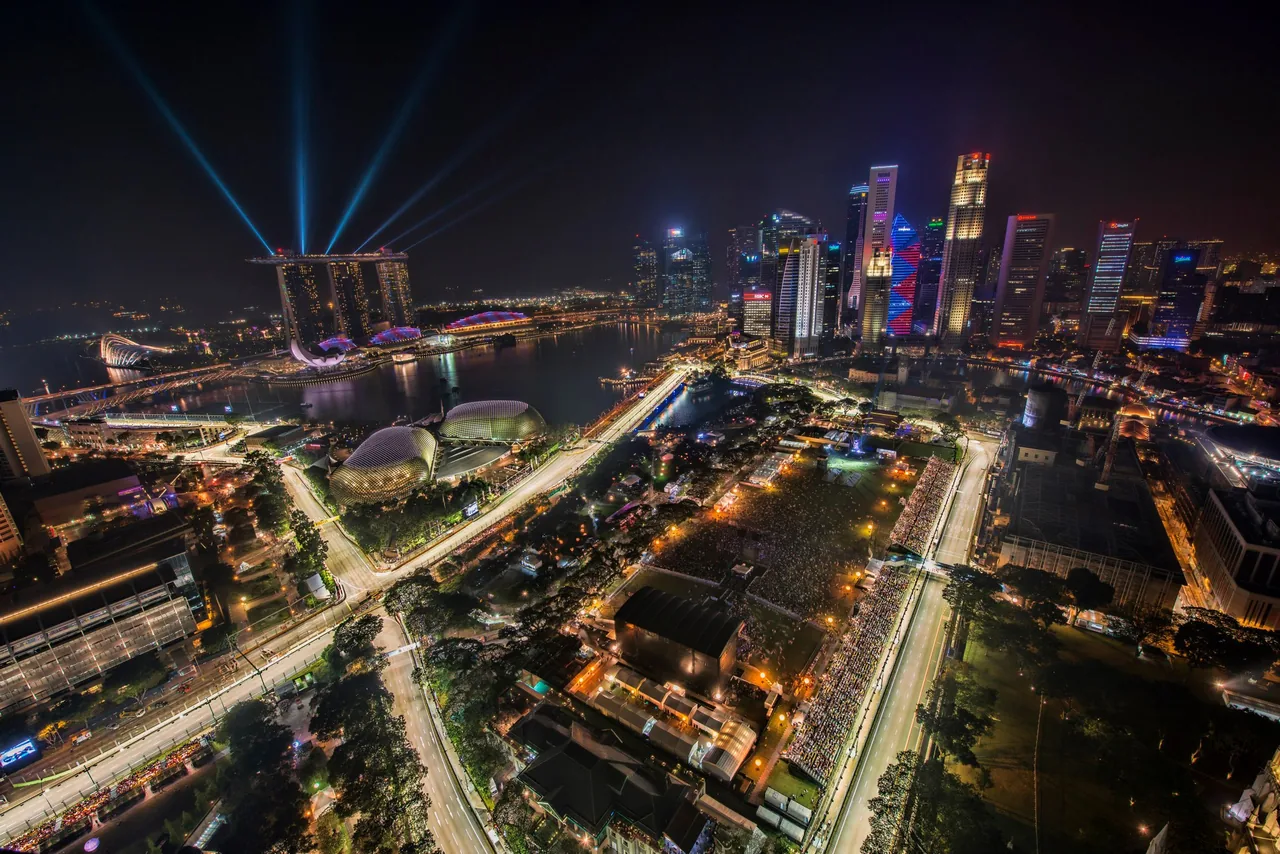
Weather: highs around 31°C with rising rainfall and more frequent thunderstorms. What’s on: the F1 Singapore Grand Prix (9–11 October 2026) is one of the city’s biggest events, a night race around Marina Bay paired with headline concerts and a huge party scene; Deepavali preparations also light up Little India toward month’s end. Verdict: unbeatable if you want the F1 spectacle and buzz, but hotels near Marina Bay sell out and prices soar, with road closures during race weekend — book far ahead, or pick other dates if you’d rather avoid the crowds and premium rates.
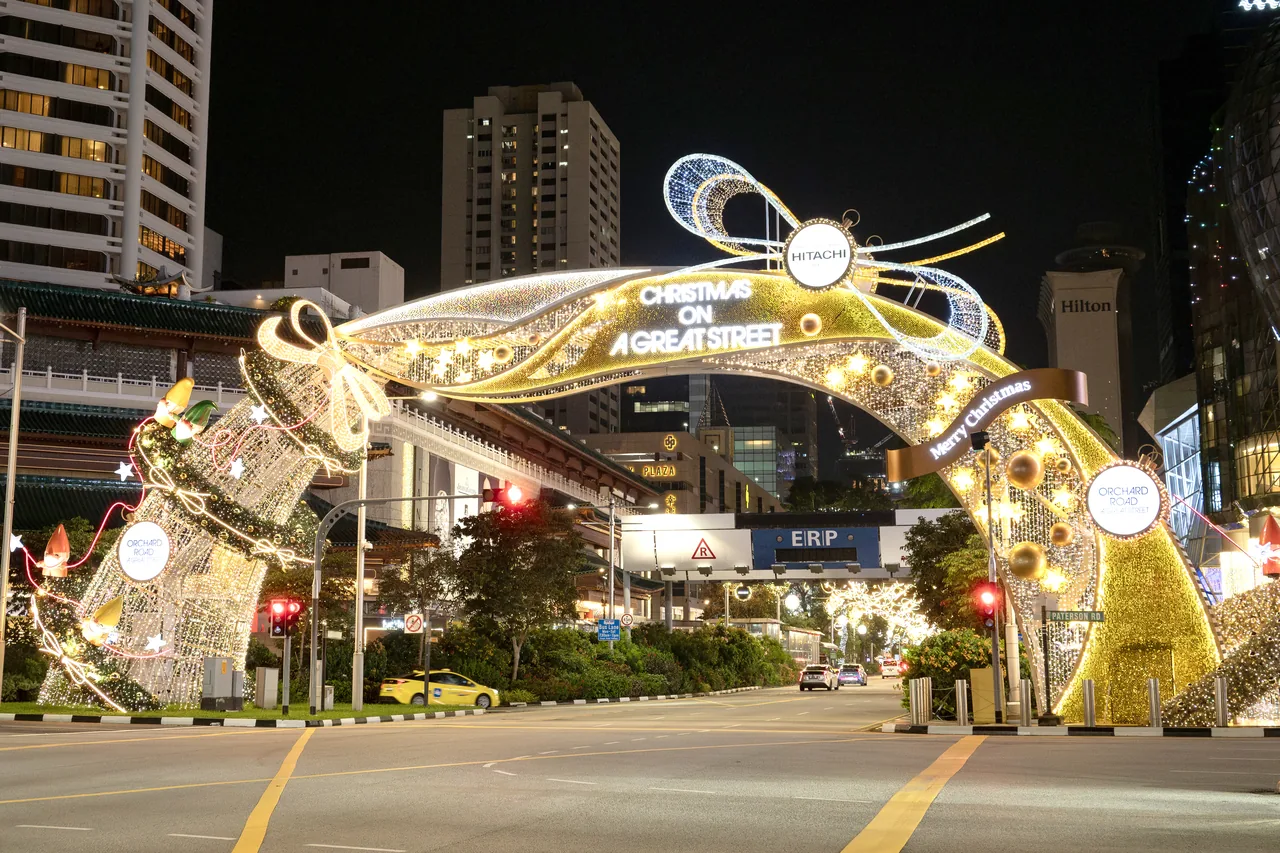
19. Singapore in November
November is the wettest month as the Northeast Monsoon returns, but it’s also when the festive season begins — Deepavali and the Orchard Road Christmas lights bring colour to the rain.
Weather: highs around 30°C, the highest rainfall of the year with frequent heavy downpours; carry an umbrella and plan plenty of indoor time. What’s on: Deepavali (8 November 2026), the Hindu festival of lights, transforms Little India with dazzling decorations and a street bazaar, and the famous Orchard Road Christmas light-up switches on later in the month. Verdict: a wet month, but a beautiful and atmospheric one if you don’t mind the rain — and lower crowds than December mean better value, with the festive sparkle already underway. Lean on the malls, museums and Jewel between showers.
20. Singapore in December
December is wet but wonderfully festive — one of the rainiest months, yet packed with Christmas dazzle, New Year celebrations and year-end sales, making it a peak (and pricey) time to visit.
Weather: highs around 30°C, very high rainfall with frequent downpours and the occasional all-day monsoon rain; it’s the wettest stretch of the year alongside November and January. What’s on: Orchard Road glows with its renowned Christmas light-up, Gardens by the Bay hosts festive displays, the Marina Bay New Year’s Eve countdown ends the year with fireworks, the ZoukOut dance festival lights up Sentosa, and the Standard Chartered Marathon takes over the streets. Verdict: magical and lively, with the year’s best festive atmosphere — but expect rain, big crowds and peak prices over the holidays, so book early and keep indoor options ready.
21. Best time to visit by traveller type
The ideal month depends on who you are and what you want — here’s the best timing for different kinds of travellers.
- First-timers wanting the best weather: February to April, with February the driest (and Chinese New Year a bonus if you don’t mind crowds).
- Families: the June school holidays for energy and events, or March for fewer crowds — pre-book Universal Studios and the zoo either way.
- Couples & honeymooners: February–March for dry, romantic evenings, or September for the Mid-Autumn lantern glow and lower crowds.
- Budget travellers: the shoulder weeks — late January, March–May and September — for the lowest hotel rates; see our budget guide.
- Festival & event seekers: February (Chinese New Year), August (National Day), October (F1) or December (Christmas & New Year).
- Foodies: July’s Singapore Food Festival period, though the hawker centres are superb year-round.
Whatever your priority, the weather won’t make or break your trip — Singapore delivers in every month.
22. What to pack & how to handle the heat and rain
Whenever you visit, pack for heat, humidity and the occasional downpour — Singapore’s weather is consistent, so the same kit works all year.
- Light, breathable clothing (cotton and linen) for 30–32°C days, plus a light layer for fiercely air-conditioned malls, trains and restaurants.
- A compact umbrella or packable rain jacket — tropical downpours arrive fast, especially in the afternoon and in the wet season.
- Sun protection: sunscreen, sunglasses and a hat; the equatorial sun is strong even on cloudy days.
- Comfortable, breathable footwear you can walk and sweat in, plus sandals for the beach and sudden rain.
- A reusable water bottle — tap water is safe and free, and staying hydrated is essential in the humidity.
- Modest cover-up (covered shoulders and knees) for temples and mosques if you plan to visit.
Beyond packing, work with the climate: sightsee outdoors in the cooler morning, retreat to air-conditioned attractions in the hot afternoon, and let any downpour be an excuse for a long hawker meal or a museum. Get around easily and cheaply on the cool, covered MRT, and you’ll barely notice the weather. With your dates and packing sorted, plan the rest of your trip with our complete Singapore travel guide, budget guide and where-to-stay guide.