
The Complete ArtScience Museum Guide: teamLab Future World Tickets & Tips
What teamLab Future World actually is, what tickets cost, when to go, whether it’s worth it, and how the lotus museum fits the rest of Marina Bay.
| What it is | The lotus-shaped museum at Marina Bay SandsMap; home to teamLab Future World, a permanent floor of immersive digital art |
|---|---|
| Opening hours | Daily; Sun to Thu 10am to 7pm (last entry 6pm), Fri and Sat 10am to 9pm (last entry about 8:15pm) |
| Tickets | Future World adult: tourist from about S$35 off-peak / S$39 peak; Singapore resident from about S$28 off-peak / S$32 peak. Off-peak is Mon to Thu (excluding public holidays); peak is Fri to Sun and public holidays. Special exhibitions cost extra or come as a combo |
| Don’t confuse | It’s a separate ticketed museum, NOT the MBS hotel, SkyPark or mall; it’s the lotus building beside the water |
| Inside the must-sees | Crystal Universe, flowers blooming underfoot, the draw-and-scan Sketch Town and Sketch Ocean, and the paper-plane light room |
| Best for | Families, photo lovers, and rainy or very hot days, since it’s fully indoor and air-conditioned |
| Getting there | Bayfront MRT (Circle and Downtown lines), then through The Shoppes to the waterfront |
| How long | About 1.5 hours for Future World; 2 to 2.5 hours if you add a special exhibition |
1. The short answer: the lotus museum and teamLab Future World
2. The building: Moshe Safdie’s “Welcoming Hand”
3. teamLab Future World: what it actually is
4. Inside Future World: the works to look for
5. Tickets and prices (and what your ticket covers)
6. Opening hours and how long you need
7. Special and rotating exhibitions
8. Is it worth it? An honest verdict and who it’s for
9. Best time to visit (crowds, rainy day, heat)
10. Photography and social-media tips
11. Visiting with kids
12. Getting there: Bayfront MRT and the Marina Bay walk
13. Combine your visit: Marina Bay in a day or evening
14. Practical tips and etiquette
15. Plan the rest of your Singapore trip
The ArtScience Museum is the lotus-shaped building at Marina Bay Sands, and the reason most people pay to go inside is teamLab Future World, a permanent floor of interactive digital art where flowers bloom under your feet and you walk through galaxies of light. Tickets start from about S$35 (off-peak, tourist adult), the whole thing takes about an hour and a half, and it’s fully indoor and air-conditioned, which makes it the easy rainy-day or peak-heat pick at the bay. For the wider trip, start with our complete Singapore travel guide.
1. The short answer: the lotus museum and teamLab Future World
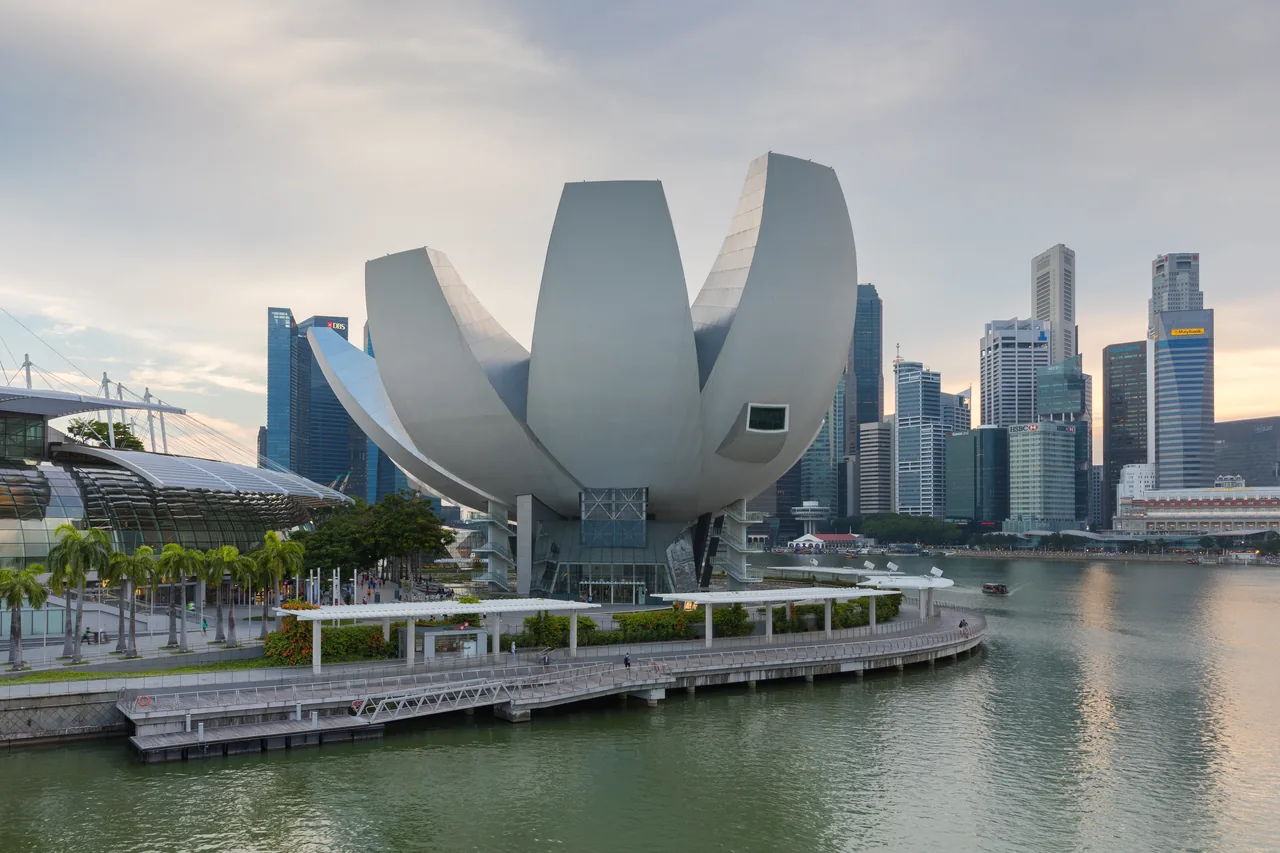
The ArtScience Museum is the lotus-shaped building at Marina Bay Sands, free to admire from outside, and the main reason to buy a ticket and go in is teamLab Future World, a permanent floor of interactive digital art. Tourist tickets to Future World start from about S$35 for an adult. You walk through projected light, flowers bloom under your feet, and your drawings come alive on the walls, and most people are done in about an hour and a half.
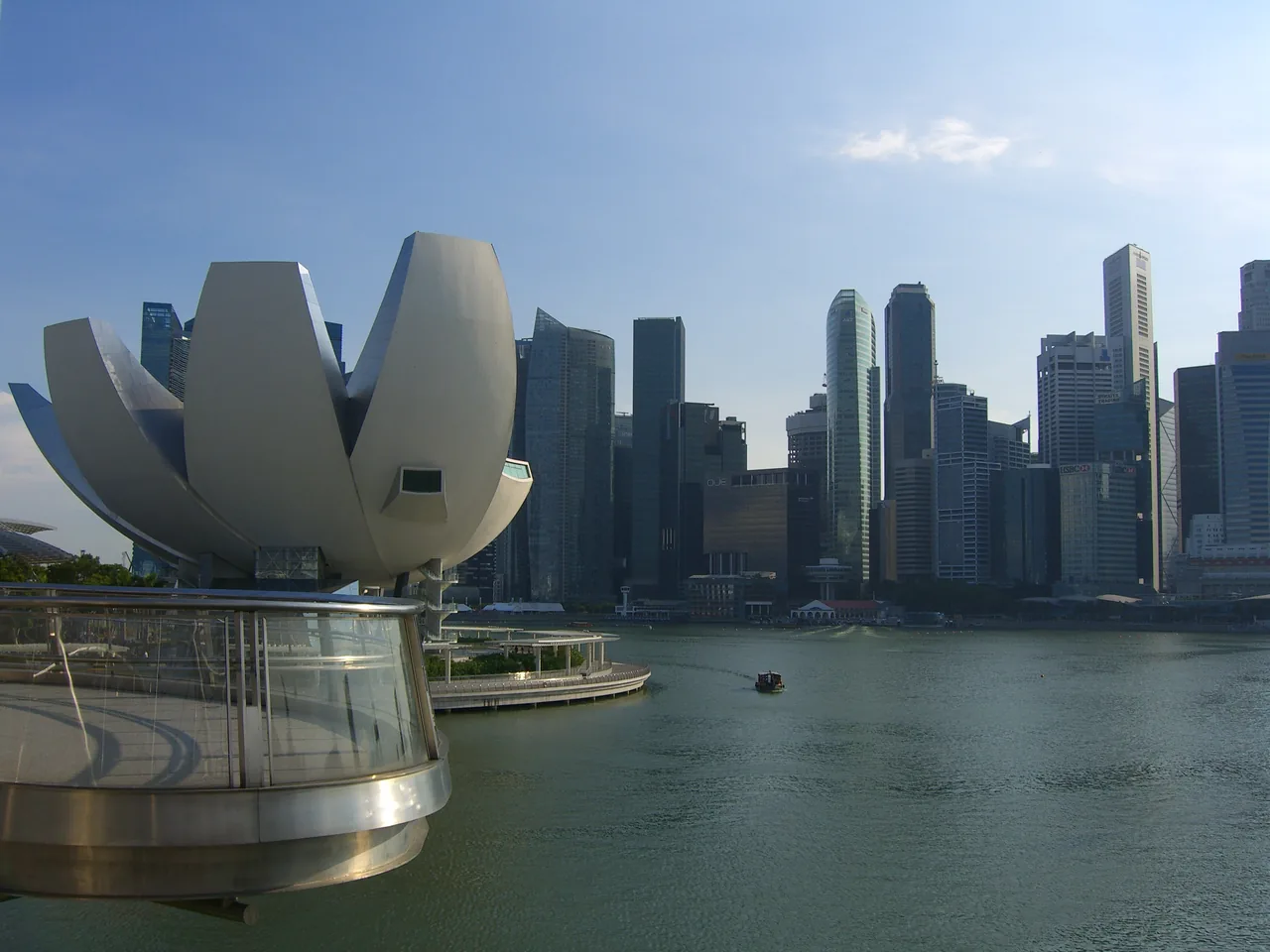
Settle one thing right away, because it often confuses visitors: this museum is not the Marina Bay Sands hotel, the SkyPark observation deck, the infinity pool or the mall. It’s a distinct, ticketed museum, the lotus building beside the water, that happens to sit inside the wider Marina Bay Sands complex and is run by MBS. If you came for the digital art, head for the lotus, not the towers.
The building itself is free to enjoy: the petals, the reflecting lily pond and the night reflections cost nothing. You only pay to enter the galleries. For where this fits in the wider trip, start with our complete Singapore travel guide.
2. The building: Moshe Safdie’s “Welcoming Hand”
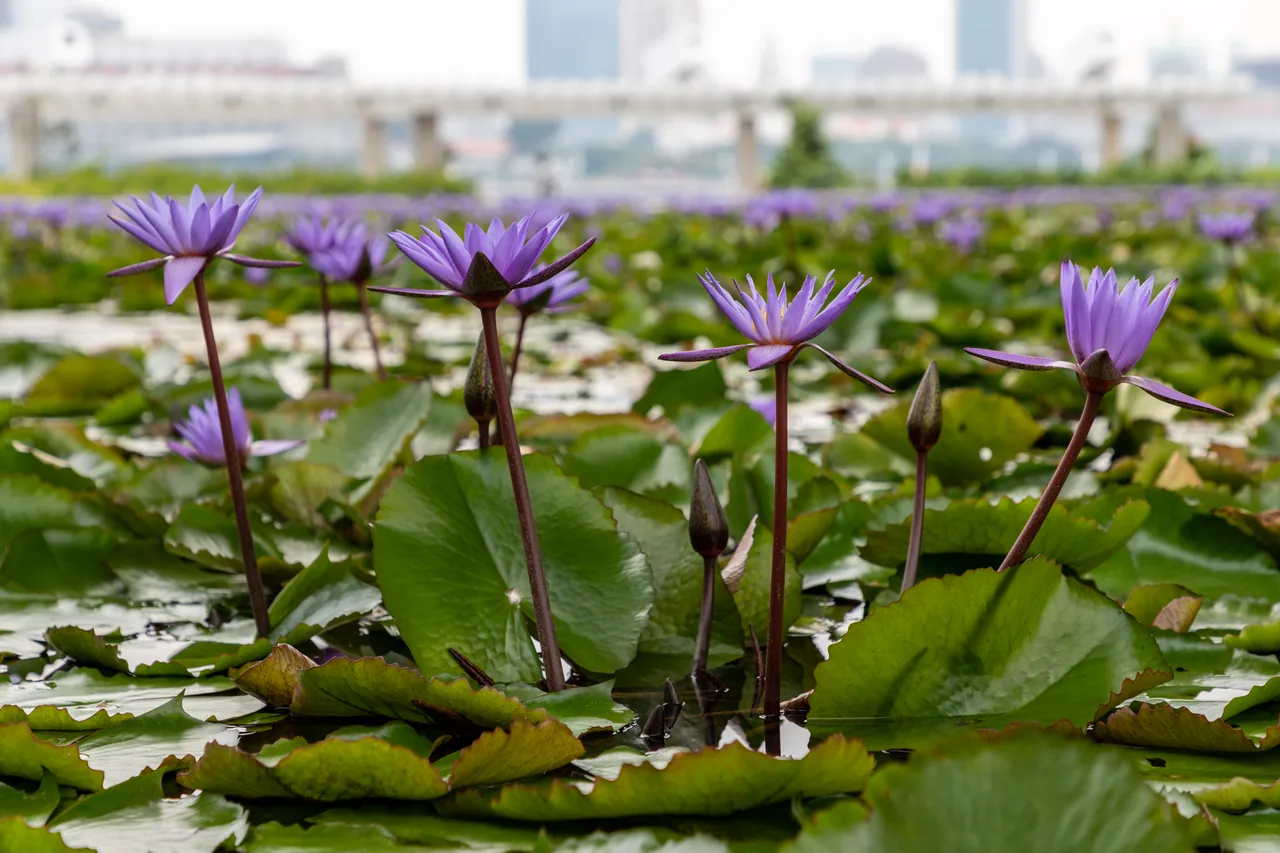
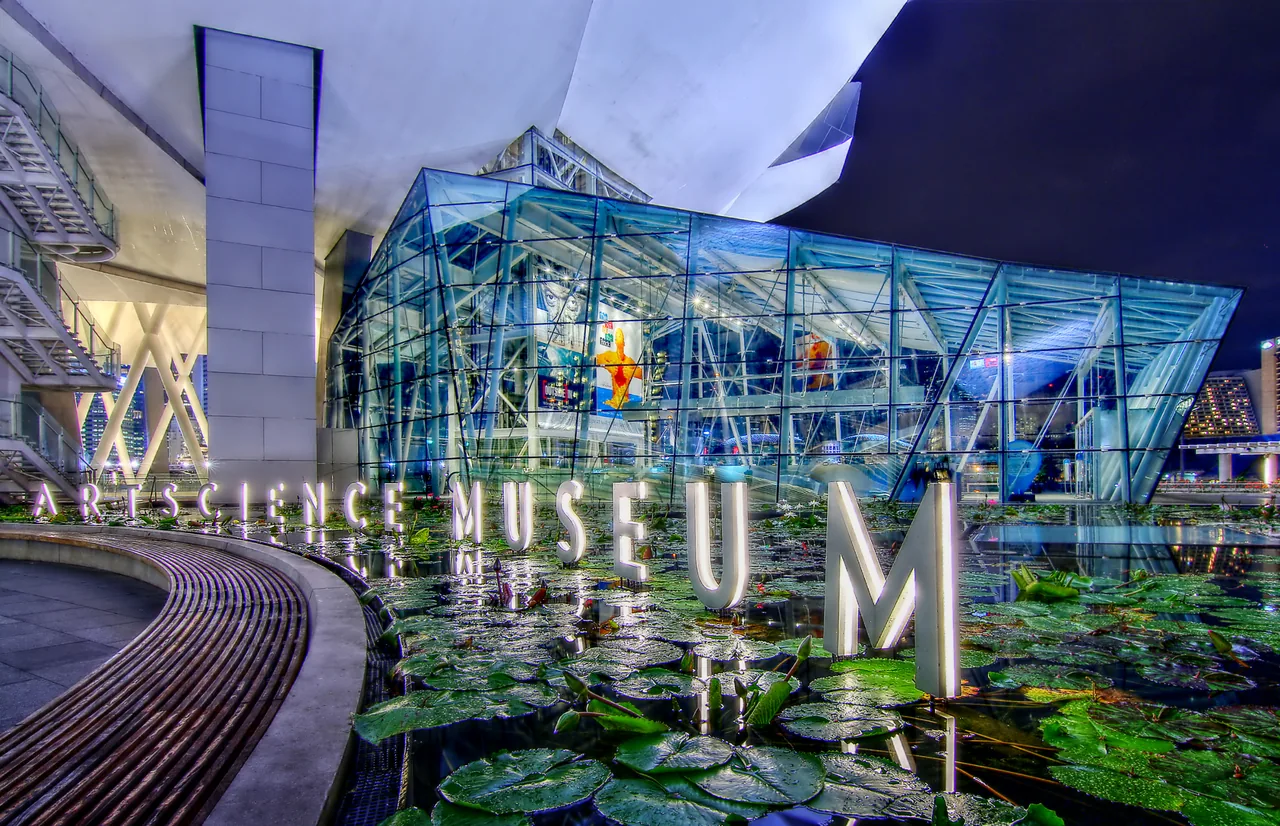
The museum is a genuine architectural landmark by Moshe Safdie, the same architect behind Marina Bay Sands and Jewel ChangiMap, shaped like a lotus that locals call the “Welcoming Hand of Singapore.” It opened on 19 February 2011 as the world’s first museum dedicated to art and science together, and the shape is hard to miss: ten finger-like petals rise from a round base that sits in a reflecting lily pond.
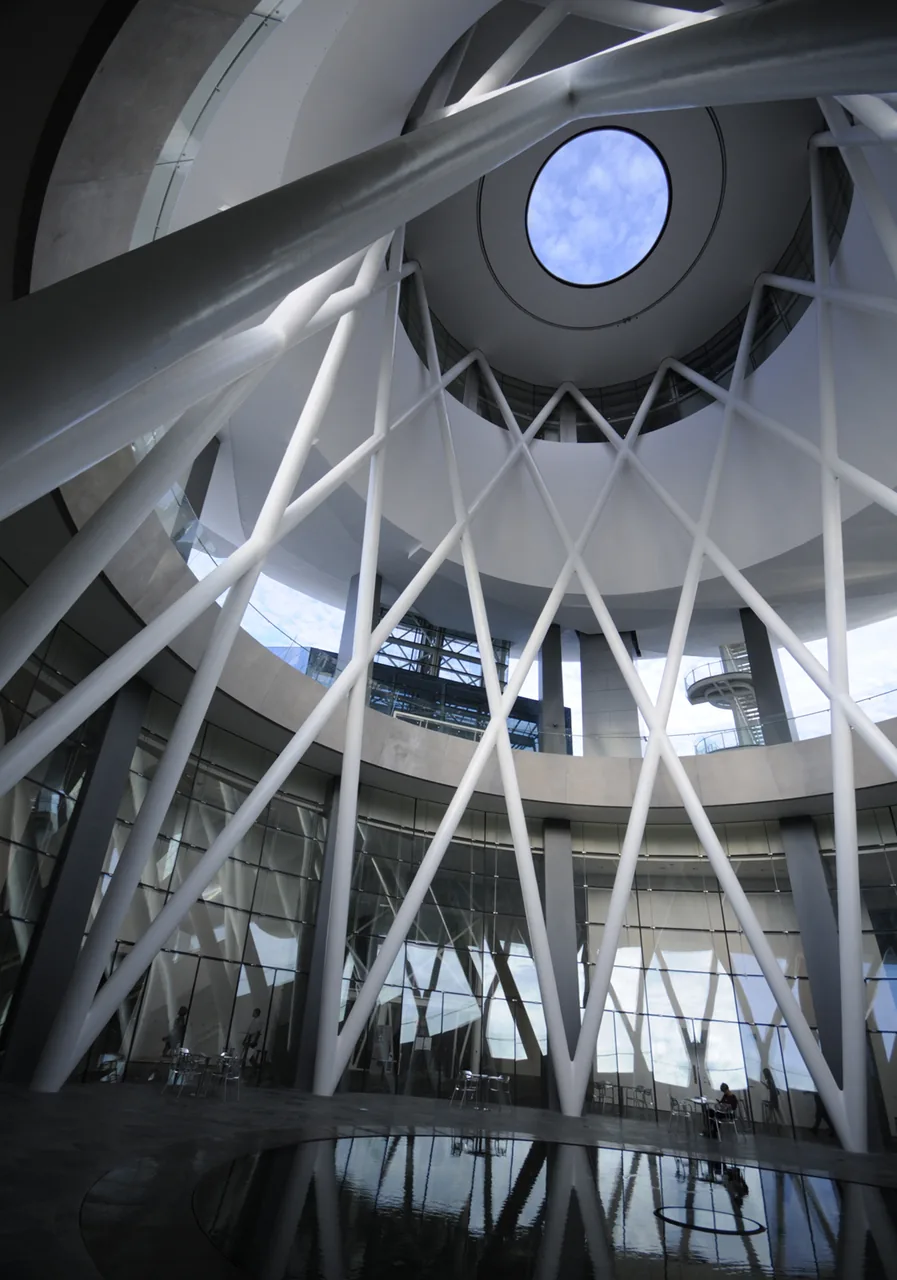
Each petal is its own gallery, lit by a skylight at its tip, so daylight pours straight down into the rooms. The clever bit is the roof. It curves inward like a cupped hand, collecting rainwater that drops about 35 metres through a central oculus as an indoor waterfall into a pond at the base of the atrium. That rainwater is then recycled and used in the building’s restrooms, which is a neat piece of design to point out to anyone with you.
Across multiple levels there are 21 gallery spaces over roughly 6,000 square metres. You can walk right up, photograph the petals and the lily pond, and never buy a ticket, which makes the exterior one of the most photogenic free stops in the whole Marina Bay Sands area.
| Detail | What to know |
|---|---|
| Architect | Moshe Safdie (also Marina Bay Sands and Jewel Changi) |
| Opened | 19 February 2011 |
| Shape | Lotus / open hand, ten skylit petals in a lily pond |
| Signature feature | Rainwater oculus and an indoor waterfall about 35m, recycled for restrooms |
| Size | 21 gallery spaces, around 6,000 sq m over several levels |
3. teamLab Future World: what it actually is
teamLab Future World is a permanent exhibition of interactive digital art, where the work reacts to you, made with the international collective teamLab and spread across an entire floor. Set your expectations the right way before you go in: this is light, projection and motion that you can affect, not a hushed gallery of framed paintings and placards, and not a theme park with rides.
The exhibition is grouped into two realms. City in Nature is the older, dreamier half, full of flowers, water and forest worlds that shift as you move. Exploring New Frontiers is the newer, family-leaning half with more hands-on interactives. Across roughly 17 installations you’ll see recurring themes that teamLab returns to again and again: Nature, Town, Park, Sanctuary and Space.
It first opened in March 2016 and has been expanded and refreshed since, so even repeat visitors find something new. Plan for about an hour and a half inside. It’s a strong fit for families and for anyone who loves a photo, and even adults who arrive a little sceptical tend to enjoy it.
Think of it as an experience you play with rather than a collection you study. Slow down, touch the walls where you’re allowed to, and let the rooms respond to you.
4. Inside Future World: the works to look for
The signature pieces are best described by what you do in them, not by adjectives, so here’s what to actually look for room by room. Lineups shift over time, but these are the works that define the experience.
- Crystal Universe is the headline. You step into a dark room filled with thousands of hanging points of LED light that form a 3D star-field you walk through, and you can even nudge the colours from your phone. It’s the single most photographed room in the place.
- Walk on flowers / City in Nature entry. Flowers bloom and fall across the floor and walls as you step, and if you touch a wall they scatter and drift away. It feels alive under your feet.
- Sketch Town and Sketch Ocean. You colour a paper sheet, a car, a building or a fish, it gets scanned, and your drawing comes alive moving across a giant projected city or ocean. This is the clear favourite with children, and it ties straight into our Singapore with kids guide.
- The paper-plane light room (in Exploring New Frontiers). You fold and throw a paper plane into a light sculpture, and its flight changes the colour, shape and sound around you.
- Sanctuary is the calm one, a quieter room of seasonal works such as cherry blossoms that bloom and scatter, a gentle pause from the brighter rooms.
From 15 June to 28 August 2026, selected areas of teamLab Future World are temporarily closed for enhancement works, so a few installations may be unavailable; the rest of the exhibition stays open. If you’re visiting in this window, check the museum’s official “what’s on” page for the current lineup before you go, and don’t set your heart on one specific installation.
5. Tickets and prices (and what your ticket covers)
A teamLab Future World ticket starts from about S$35 for a tourist adult off-peak, with Singapore residents paying less with ID and special exhibitions usually a separate ticket or a money-saving combo. Prices follow an off-peak and peak structure: off-peak is Monday to Thursday (excluding Singapore public holidays), and peak is Friday to Sunday and public holidays. Here’s the picture, with prices subject to change, so confirm the current figure when you book.
| Ticket | Tourist (off-peak / peak) | Singapore resident, with ID (off-peak / peak) |
|---|---|---|
| Future World adult | From about S$35 / S$39 | From about S$28 / S$32 |
| Future World concession | From about S$29 / S$33 | From about S$22 / S$26 |
| Children under 2 | Usually free (check the cutoff) | Usually free (check the cutoff) |
| Special exhibition | Usually separate, often about S$20 to 30 | Usually separate, often less |
| Combo / all-exhibition | Bundles Future World plus the current show for a saving | Bundles Future World plus the current show for a saving |
Concession covers children aged 2 to 12, seniors aged 60 and above, and students; for Singapore residents it also includes persons with disabilities and NSF personnel. Bring photo ID for any concession or resident rate.
Buying online through Klook, Trip.com or the museum site can be a little cheaper than the door, and it gives you a mobile e-ticket so you skip the counter. You can also just buy at the box office on the day. The one honest caveat: if all you want is the lotus building from outside, you don’t need a ticket at all.
If ArtScience is one of several paid sights on your list, a multi-attraction pass can sometimes work out cheaper than buying single tickets. See whether one covers your shortlist in our Singapore attraction passes guide before you commit to standalone tickets.
6. Opening hours and how long you need
The museum is open daily, 10am to 7pm Sunday to Thursday and 10am to 9pm on Friday and Saturday, and Future World takes most people about an hour and a half. Last entry is an hour or so before closing, so don’t cut it fine.
| Day | Open | Last entry |
|---|---|---|
| Sunday to Thursday | 10am to 7pm | About 6pm |
| Friday and Saturday | 10am to 9pm | About 8:15pm |
On time: budget about 1.5 hours for Future World alone, or 2 to 2.5 hours if you add a special exhibition. It’s compact, so you won’t fill a whole day here unless several big shows happen to be running at once. Hours can also shift on public holidays and event days, so check before a late visit.
The late Friday and Saturday opening is an underrated, quieter slot, with fewer queues at the popular rooms than midday. For fitting this around the rest of your days, see our best time to visit Singapore guide.
7. Special and rotating exhibitions
Future World is the permanent anchor, but on top of it the museum almost always runs a big touring exhibition, sold as a separate ticket or as a combo with Future World. This is how ArtScience works: a fixed digital-art floor plus a rotating headline show that changes every few months.
Over the years those touring shows have spanned pop culture, film, NASA and space, fashion and contemporary art, so the theme depends entirely on when you visit. In 2026 the museum has been running an ocean-themed immersive exhibition made with OceanX, a world premiere that leans into deep-sea exploration. It pairs nicely with a separate aquarium day if marine life is your thing; our S.E.A. Aquarium guide covers that side of Singapore.
Because the lineup changes constantly, treat any specific show as a snapshot, not a promise. Check the museum’s current “what’s on” page before you build a visit around a particular exhibition, and decide whether the combo ticket is worth it for the show that’s actually running while you’re in town.
8. Is it worth it? An honest verdict and who it’s for
It’s well worth it for families, photo and Instagram lovers, anyone wanting a cool indoor break, and first-timers ticking off the Marina Bay cluster. Future World is genuinely playful, the rooms are made for photos, and the air-conditioning is a real bonus in Singapore’s heat and rain. For those visitors, the ticket earns its keep.
It’s a softer recommendation if you want a traditional art museum with depth and lots of text to read, since this is experiential rather than scholarly. Skip it if you’re on a tight budget and admiring the lotus from outside for free is enough, or if you only chase big-thrill rides. It’s quite different from Gardens by the Bay, which is its own kind of spectacle outdoors; many people happily do both in the same Marina Bay day.
The fair summary: high marks for fun, photos and comfort, lower marks for traditional museum depth. Weigh it against the rest of the city in our Singapore things to do guide, and if you’re watching spending, our Singapore on a budget guide helps you decide where the ticket money goes furthest.
9. Best time to visit (crowds, rainy day, heat)
Go on a weekday, at the 10am opening, or in the late Friday and Saturday slot to dodge the crowds and the queues that build at the popular dark rooms. Weekends and public holidays are the busiest, and since rooms like Crystal Universe hold a limited number of people at a time, peak hours mean waiting.
The bigger reason to keep this on your list, though, is the weather. It’s fully indoor and air-conditioned, which makes it one of the best rainy-day and peak-heat picks anywhere at Marina Bay. When an afternoon thunderstorm hits or the sun is at its fiercest, this is exactly the kind of cool, dry couple of hours you want. Our rainy-day Singapore guide lists more indoor escapes for when the skies open.
So the timing logic is simple: come early or late to beat the crowds, and lean on this place precisely when the weather turns against you. For matching the visit to the seasons and your overall schedule, see our best time to visit Singapore guide.
10. Photography and social-media tips
Future World is built to be photographed, and Crystal Universe is the shot everyone comes for, so plan your visit around getting it well. A few practical tips make a real difference in these dark, reactive rooms.
- Wear light or white clothing if you want the projected colour to wash over you; dark clothes simply disappear into the room.
- The galleries are deliberately dark, so phone cameras will show some grain. Hold steady, tap to focus on a bright point, and take several frames.
- No flash, and no tripods or selfie sticks in the crowded rooms; they get in everyone’s way and aren’t allowed where it’s busy.
- Some rooms have mirrored floors. They look stunning in photos, but mind your footing and mind skirts.
- Be patient and queue for the popular rooms. The best Crystal Universe shots come when the room briefly thins out, so wait for a gap.
- Let the installations react to you. Touch the walls where allowed, move through the flowers, and capture the moment they respond, rather than shooting a static room.
11. Visiting with kids
This is one of the most child-friendly attractions at Marina Bay, because so much of it lights up, moves and reacts when kids touch it. The hands-on works are the draw: children colour a paper car, fish or building and watch it come alive on a giant projected city or ocean, set off flowers by pressing the walls, throw paper planes into a light sculpture, and play in slide and ball-style works when they’re running.
Practical notes for families: strollers are generally fine, though some dark and mirrored rooms need care, so cautious movement is advised. Very young children, usually two and under, are normally free, but check the current cutoff. The one thing to watch is that a few rooms are dark, loud and crowded, which can overwhelm a tired toddler, so plan a break and don’t push through a meltdown.
It’s the kind of place where you budget an hour and end up staying longer because the children are reluctant to leave Sketch Town. For more family-friendly stops and practical tips across the trip, see our Singapore with kids guide.
12. Getting there: Bayfront MRT and the Marina Bay walk
The easiest arrival is Bayfront MRT on the Circle and Downtown lines, then a flat, covered walk through The Shoppes at Marina Bay Sands to the waterfront, where the lotus museum sits at 6 Bayfront Avenue. Follow the signs and you’ll come out near the Helix BridgeMap and the Event Plaza floating stage.
It’s also a pleasant, flat walk from the rest of the Marina Bay sights: across the Helix Bridge from the Merlion and the Marina Bay waterfront, over the Dragonfly and Meadow bridges from Gardens by the BayMap, and along the promenade from the Singapore Flyer. Note that the footbridges linking Gardens by the Bay to Marina Bay Sands and the museum are open-air and uncovered, so they get hot and sun-exposed at midday; the route is level but offers little shade, so carry water or cross in the cooler hours.
For the lines, fares and how the MRT knits the whole bay together, see our Singapore MRT and transport guide. Drivers can park in the Marina Bay Sands car parks and follow signs to the museum.
13. Combine your visit: Marina Bay in a day or evening
ArtScience slots neatly into a wider Marina Bay day, and the smart play is to use it as your indoor, air-conditioned midday block between the outdoor sights. Everything here is within an easy, mostly covered walk of everything else.
Pair it with the Marina Bay Sands complex next door, the SkyPark observation deck and The Shoppes, then the wider Marina Bay waterfront with its free Spectra light and water show after dark. Add Gardens by the Bay for the Supertrees and the domes, the Singapore Flyer for the big-wheel view, and a stroll across the Helix Bridge to the Merlion.
A sample flow that beats the weather: do ArtScience around midday or through the hottest, brightest part of the afternoon, walk over to Gardens by the Bay in the late afternoon as it cools, and stay for the free Spectra show at the waterfront after dark. That way your indoor and outdoor stops fall exactly when the weather suits each one.
Because the museum is fully covered and air-conditioned, it’s the natural place to retreat when an afternoon storm rolls through the bay, then carry on outdoors once it passes.
14. Practical tips and etiquette
A few simple things make a Future World visit smooth, from bags to mirrored floors. None are complicated, but they save hassle once you’re inside.
- Bags and lockers There’s a cloakroom or lockers for big bags, which is worth using before you start, since the rooms are crowded and dark.
- Buy online to skip the counter A mobile e-ticket gets you straight in and can save a little versus the door; you can still buy at the box office if you prefer.
- Follow the room signs Some installations ask you not to touch, to remove shoes, or to mind your socks. Each room has its own rules, so read the signs as you enter.
- Mind mirrored floors Several rooms have mirrored floors. They’re beautiful but slippery to the eye, so watch your step and mind skirts.
- Accessibility The museum is wheelchair accessible with lifts, and strollers are generally fine, though dark and mirrored rooms need extra care.
- Budget your time and food Allow about 1.5 to 2.5 hours, and plan to eat in The Shoppes nearby, since there’s no need to go far for a meal afterward.
Re-entry rules vary by ticket type, so if you plan to step out and come back, confirm whether your ticket allows it before you leave the galleries.
15. Plan the rest of your Singapore trip
At Marina Bay, the ArtScience Museum is the indoor, photogenic, family-friendly stop, and it pairs naturally with the giants right next door. Fold it into a wider plan and you’ve got a cool, comfortable couple of hours between the big outdoor sights.
From here, connect outward. Explore the wider Marina Bay Sands complex and the Marina Bay waterfront, cross to Gardens by the Bay for the Supertrees and domes, ride the Singapore Flyer, and walk over to the Merlion. Time it all with our best time to visit guide, keep it in your back pocket as a rainy-day pick, and if you’re travelling as a family, our Singapore with kids guide has more.
Sort your arrival with the MRT and transport guide, and if you’re seeing several paid sights, weigh up a Singapore attractions pass against single tickets. For everything else worth doing, our things to do guide has the full menu. Tie it all together with our complete Singapore travel guide. A floor of light you can walk through, indoors and out of the heat, is a genuinely rare thing, so don’t let the confusion with the MBS hotel put you off visiting the lotus.
🎡Things to Do51
🍜Food4
🏨Where to Stay10
🚇Getting Around4
🧭Travel Tips16
Frequently asked questions
For teamLab Future World, expect a tourist adult from about S$35 off-peak or S$39 peak, with concessions from about S$29 off-peak or S$33 peak. Off-peak runs Monday to Thursday (excluding Singapore public holidays), while peak covers Friday to Sunday and public holidays. Singapore residents pay less with ID: an adult from about S$28 off-peak or S$32 peak, and concession from about S$22 off-peak or S$26 peak. Concession covers children aged 2 to 12, seniors aged 60 and above, and students (residents also include persons with disabilities and NSF personnel); children under 2 are normally free, but check the current cutoff. Special exhibitions are usually a separate ticket, often around S$20 to 30, or you can buy a combo that bundles Future World with the current show. Prices are subject to change, so treat these as a starting point and confirm before you book; buying online can save a little and skips the counter.
No. The ArtScience Museum is the separate, ticketed lotus building, not the hotel, the SkyPark observation deck, the casino or the mall. It sits inside the Marina Bay Sands complex, right on the waterfront by the Helix Bridge, and it’s operated by MBS, which is where the confusion comes from. But your Future World ticket has nothing to do with the famous rooftop pool (that’s for hotel guests) or the SkyPark deck. If you came for the museum, head for the lotus, not the towers.
It’s a permanent, large-scale exhibition of interactive digital art, made with the collective teamLab, spread across a whole floor of the museum. There are around 17 installations grouped into two realms, City in Nature and Exploring New Frontiers, and the point is that you affect the art: flowers scatter when you touch a wall, your coloured drawing comes alive on a projected city, a paper plane changes a light sculpture. It’s playful light and projection, not a quiet read-the-placards museum and not a rides park. Most people spend about an hour and a half inside.
About 1.5 hours for teamLab Future World on its own. Add a special touring exhibition and you’re looking at 2 to 2.5 hours total. It’s a compact experience by design, so unless several big shows are running at once you can’t really stretch it into a full day. Plan it as a half-day block, often paired with the rest of Marina Bay.
Yes, if you like photos, you’re travelling with kids, you want a cool indoor break, or you’re a first-timer doing the Marina Bay cluster. Future World is genuinely fun and very photogenic, and the air-conditioning is a gift on a hot or wet day. It may not be the best choice if you prefer a traditional art-and-history museum with lots of text to read, if you’re on a tight budget and admiring the building from outside is enough, or if you only chase big-thrill rides. Set your expectations and most people leave happy.
Yes, it’s one of the most kid-friendly things to do at Marina Bay. Children get to colour a paper car or fish and watch it come alive on a giant projected city or ocean, set off flowers by touching walls, and throw paper planes into a light sculpture. Very young children, usually two and under, are normally free. The one caveat is that some rooms are dark, loud and busy, which can overwhelm a tired toddler, so build in a break if you need one.
It’s open daily: Sunday to Thursday from 10am to 7pm with last entry at 6pm, and Friday and Saturday from 10am to 9pm with last entry about 8:15pm. Hours can shift on public holidays and for special events, so check before you plan a late visit. The late Friday and Saturday slot is a good quieter window if you’d rather avoid the daytime crowds.
Yes, it’s one of the best wet-weather and peak-heat picks at Marina Bay because it’s fully indoor and air-conditioned. When an afternoon downpour rolls in or the sun is fierce, Future World gives you a couple of cool, dry hours of light and colour without stepping outside. You can even reach it under cover through The Shoppes from Bayfront MRT, so you barely get wet on the way.
The exterior is free to enjoy, but the galleries and Future World are ticketed. Anyone can walk up to the lotus building, admire the petals and the reflecting lily pond, and take photos along the promenade at no cost, which is lovely at dusk. To go inside and experience teamLab Future World or any special exhibition, you need a ticket. So if the architecture from outside is all you’re after, you don’t need to pay a cent.
Bayfront station, on the Circle and Downtown lines. From there you follow signs through The Shoppes at Marina Bay Sands and come out on the waterfront side, near the Helix Bridge and the Event Plaza, where the lotus museum sits. It’s a flat, mostly covered walk, which is handy in rain or heat. The same station serves the rest of the Marina Bay sights.
It’s a good idea on weekends and public holidays, when the popular rooms get queues. Booking online can save a little versus the door and gives you a mobile e-ticket so you skip the ticket counter and walk straight in. On a quiet weekday you can usually just buy at the box office on arrival. Either way, double-check exactly what your ticket covers, since Future World and special exhibitions are often sold separately or as a combo.
Yes, Future World is literally designed to be photographed, so cameras and phones are welcome. The usual limits apply: no flash, and no tripods or selfie sticks in the crowded rooms. The galleries are deliberately dark, so expect some phone-camera grain, and wear light or white clothing if you want the projected colour to catch on you. Crystal Universe, the walk-in field of hanging lights, is the highlight shot.
From 15 June to 28 August 2026, some areas of Future World are closed for enhancement works, so a few installations may be unavailable. The rest of the exhibition stays open, so it’s still worth visiting; just check the official what’s-on page before you go to see what’s running.